MARIANI’S
Virtual Gourmet
June 29, 2025
NEWSLETTER
Founded in 1996
ARCHIVE
THIS WEEK
TRAVELING TO EUROPE THIS YEAR?
HERE’S WHAT YOU NEED TO KNOW
By John Mariani
NEW YORK CORNER
SAN MATTEO
PIZZERIA E CUCINA
By John Mariani
HÔTEL ALLEMAGNE
CHAPTER SEVENTEEN
By John Mariani
NOTES FROM THE WINE CELLAR
Lambruscos Deserve More Respect
By John Mariani
TRAVELING
TO EUROPE THIS YEAR?
HERE’S WHAT YOU NEED TO KNOW
By John
Mariani
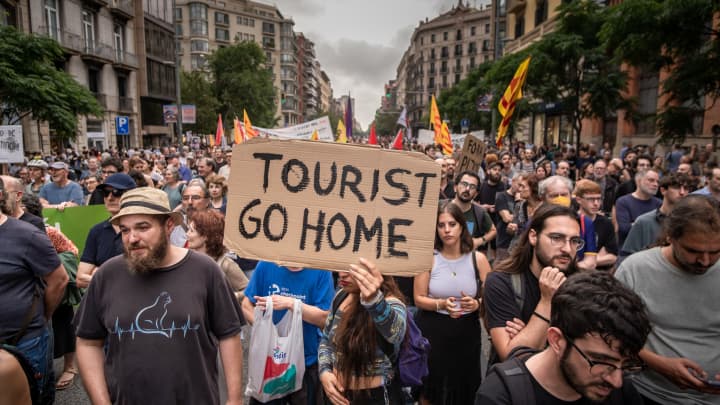
Even if you manage
to push your way through the crowds of
tourists in Barcelona and Mallorca this year
on vacation, you may now find yourself
spritzed by a local with a water gun who
wished you’d stay home.
Because of a shortage of
resident apartments, Barcelona’s municipal
government will eliminate 10,000 short-term
B&B rental licenses by 2028. And in many
European capitals locals are carrying signs
reading “TOURISTS GO HOME.” 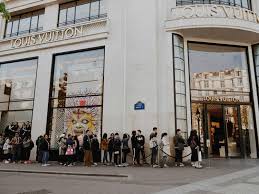 In Japan,
where tourism records are being broken because
of a weak yen, Kyoto banned tourists from
entering certain streets, and in Paris the Louis
Vuitton store on the Champs Elysée has a line
outside (right) that stretches down
the block, and Asians are only allowed to buy a
single one of their most popular bags.
In Japan,
where tourism records are being broken because
of a weak yen, Kyoto banned tourists from
entering certain streets, and in Paris the Louis
Vuitton store on the Champs Elysée has a line
outside (right) that stretches down
the block, and Asians are only allowed to buy a
single one of their most popular bags.
The growing antagonism towards tourists
is in the face of still-growing travel––the
World Travel & Tourism Council projected
that this year 142 countries out of 185 will set
records, especially to Europe, spending $11.1
trillion and accounting for 330 million jobs.
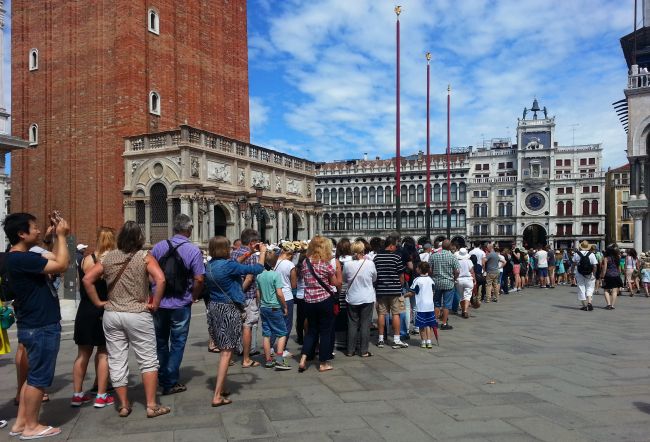 So
why
the complaints? It’s simply a story of locals
being overwhelmed
by foreigners who stifle the local way of
life, cause lines to get into major museums as
long as at Disneyworld, cause unbearable traffic
jams, inhabit converted apartments where
residents once lived and utterly change the true
ambience of a city like Venice (left),
which has now become little more than a theme
park of singing gondoliers, souvenir shops and
pizza parlors.
So
why
the complaints? It’s simply a story of locals
being overwhelmed
by foreigners who stifle the local way of
life, cause lines to get into major museums as
long as at Disneyworld, cause unbearable traffic
jams, inhabit converted apartments where
residents once lived and utterly change the true
ambience of a city like Venice (left),
which has now become little more than a theme
park of singing gondoliers, souvenir shops and
pizza parlors.
Up until recently, once less-trammeled
cities like Lisbon, Milan, Valencia and
Reykjavik were sensible alternatives, but
now, they, too, are engorged with foreign
travelers. But now, even Iceland, with a
population of less than 400,000, is on target to
get 2.5 million tourists in 2026, and more than
two-thirds of its Airbnb’s were once long-term
apartments.
I have visited Europe four times in the
last eight months––Spain, Austria, Italy and
Croatia––and one thing I did not find was
any anti-American attitude, though anti-Trump
feelings run
high. So, if you get squirted with
water in Barcelona
(it will cool you off this summer),
it’s not because you’re from the U.S. but only
because you and millions of others from around
the world are upsetting the locals’ tolerance
for crowds, noise and discomfort.
If you do plan to visit Europe this
summer here are some considerations to keep in
mind:
● If you’ve never been to
Europe’s major cities, by all means go, but
expect crowds and high prices for hotels and
BnBs. Check the on-line sites like Trivago,
Expedia and Travelocity for places within your
price range. If you do go to Rome, Paris, Madrid
and Athens, August is the month their
populations take their own vacations, so crowds
will not be so bad. Be aware that all the
Mediterranean countries will be very
hot, and waiting on lines can be daunting.
 ● If you’ve
already visited major cities, stay away from
them now. Rent a car or take advantage of
Europe’s superb train service to travel from
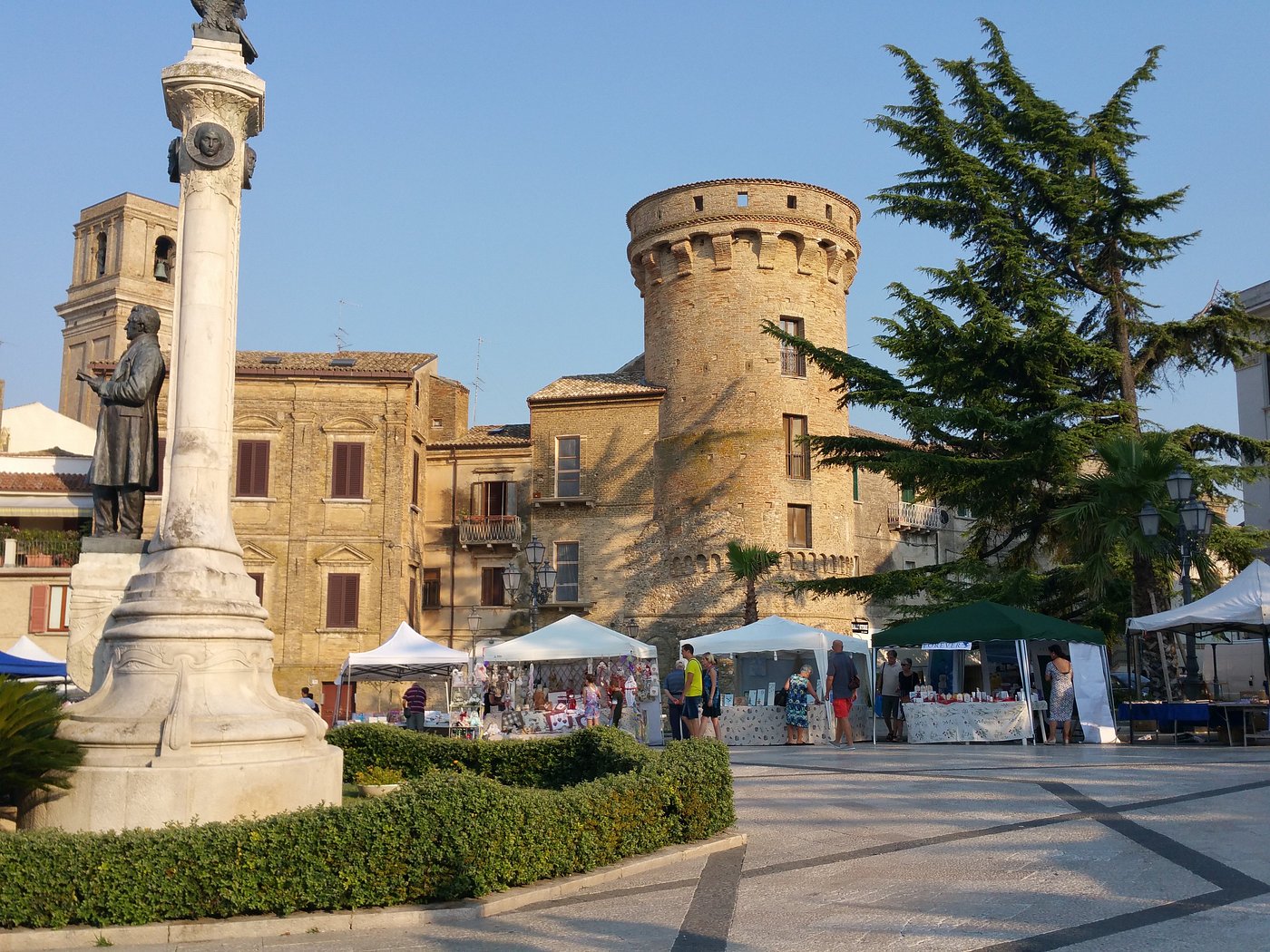
small city to city at your leisure. In my last
trip to Italy I drove up the Adriatic coast
through Puglia and Abruzzo stopping in wonderful
cities and
charming small towns like Bari, Lecce, Vasto (left),
Sulmona, Scanno and others whose tourist numbers
are nothing close to those of major cities, and
each has its own distinctive charms.
● If you’ve
already visited major cities, stay away from
them now. Rent a car or take advantage of
Europe’s superb train service to travel from
small city to city at your leisure. In my last
trip to Italy I drove up the Adriatic coast
through Puglia and Abruzzo stopping in wonderful
cities and
charming small towns like Bari, Lecce, Vasto (left),
Sulmona, Scanno and others whose tourist numbers
are nothing close to those of major cities, and
each has its own distinctive charms.
● You may or may not need it, but obtain an
international driver’s license from AAA for
about $20 before leaving the U.S. Some rental
car agencies
will not rent to you without one; most
will but they caution that if you are stopped by
the police they will ask for one.
● Always make reservations for hotels
and restaurants, even in smaller cities and
especially on weekends when the locals flock to
their favorite tavernas, trattorias and
rathskellers, as well as country inns and
resorts.
● The regions outside of the major cities
usually offer different cuisines you should
definitely try, like the Alsatian cooking of
Strasbourg (right), the Provençal food of
Nice, the Dalmatian specialties of Dubrovnik and
the Austrian fare in Graz. 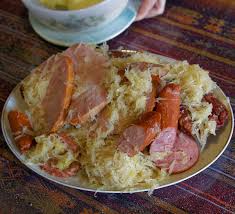 The food of Sicily is as
different from the food of Tuscany as Boston’s
seafood is from San Francisco’s.
The food of Sicily is as
different from the food of Tuscany as Boston’s
seafood is from San Francisco’s.
● I am happy to report that, generally
speaking––Venice, Zurich and London
excepted––restaurants prices are still amazingly
low, even though the US dollar is struggling
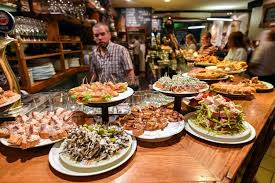
against the euro. It is still easy to find a
terrific fettuccine al pesto in Liguria
for $12 to $15, and you can hop from tapas bar (below)
to tapas bar in San Sebastián, Spain, for three
or four bucks per item. Fish is often priced by
the grams, and many dishes, like turbot or
suckling pig are priced for two or more people.
 ● Wine and
beer is not marked up in most European countries
as much as in the U.S., especially if you drink
French wine in France and Italian wine in Italy.
And although it was once risky to order the
house wine (vino della casa in Italian),
today you can always be assured that it will be
a good, usually local, red or white, sold by the
glass or sometimes in a carafe. Rarely do such
wines cost more than $20.
● Wine and
beer is not marked up in most European countries
as much as in the U.S., especially if you drink
French wine in France and Italian wine in Italy.
And although it was once risky to order the
house wine (vino della casa in Italian),
today you can always be assured that it will be
a good, usually local, red or white, sold by the
glass or sometimes in a carafe. Rarely do such
wines cost more than $20.
● Yet again must I address tipping in Europe: In
Italy, Portugal, Spain, France, Germany, Greece
and others––tips are not expected at restaurants
because a service charge is already included in
the bill (servis compris in French). If,
as an American, you still feel guilty, leave
five or ten percent of the bill, never more. In
the UK one does not tip at a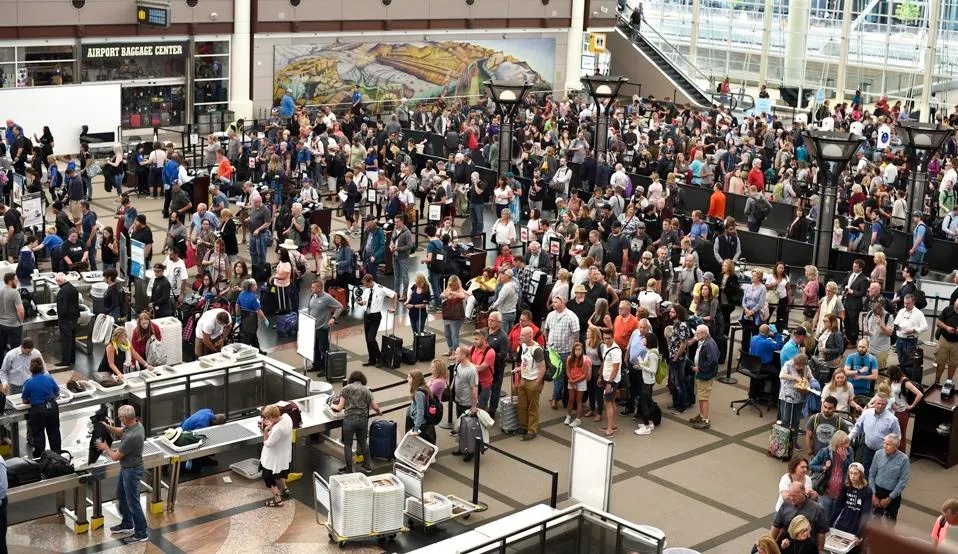 pub, and,
increasingly restaurant bills include a 12%
service charge. If not, you might want to tip
that amount. You can round off your taxi cab
bill as a gesture.
pub, and,
increasingly restaurant bills include a 12%
service charge. If not, you might want to tip
that amount. You can round off your taxi cab
bill as a gesture.
● Airlines are telling the truth when they
advise you get to the airport three hours before
your flight, especially if you’re flying
economy. The sheer size and Piranesian maze of
major airports these days makes for long lines
at the counter, security, passport control and
gate. Getting into a foreign country
for a non-EU citizen can also be daunting, but
getting back to the U.S. has now become pretty
easy if you’ve got Global Entry membership
though the on-line U.S. Customs and Border
Control Protection site.
NEW YORK CORNER
SAN
MATTEO
PIZZERIA E CUCINA
1559 Second Avenue
212-861-2434
By John
Mariani
Pizza
and Panuozzi
I
have refrained from getting into
the food media’s never-ending
harangues over the best pizzas in any city
because they have as much
credibility as descriptions of twenty different
brands of chinos.
If,
however, there are first-rate pizzas to be found
within a restaurant that is
also serving excellent Italian food across the
board, I’m happy to heap praise
on both. Remarkably, a ten-year-old trattoria on
New York’s upper east side
named San Matteo Pizzeria e Cucina has evolved so
that it probably should
switch its name to
San Matteo Cucina e
Pizzeria, for the Italian food, from antipasti
through main courses is among the most
robust and delicious in the city, thanks to Fabio
and Ciro Casella, whose bonafides
begin in their native Salerno. Moving to New York
in 1999, Fabio worked at the
fabled Dean & DeLuca
and Mike’s
Deli of Arthur Avenue before striking out on his
own with his brother to open San
Matteo Pizza & Espresso Bar in 2010 on 90th
and Second Avenue, then
the current restaurant on 81st in 2015
(with another on East 89th
Street).
 Back
then the siblings helped revive an
interest in southern Italian food, particularly
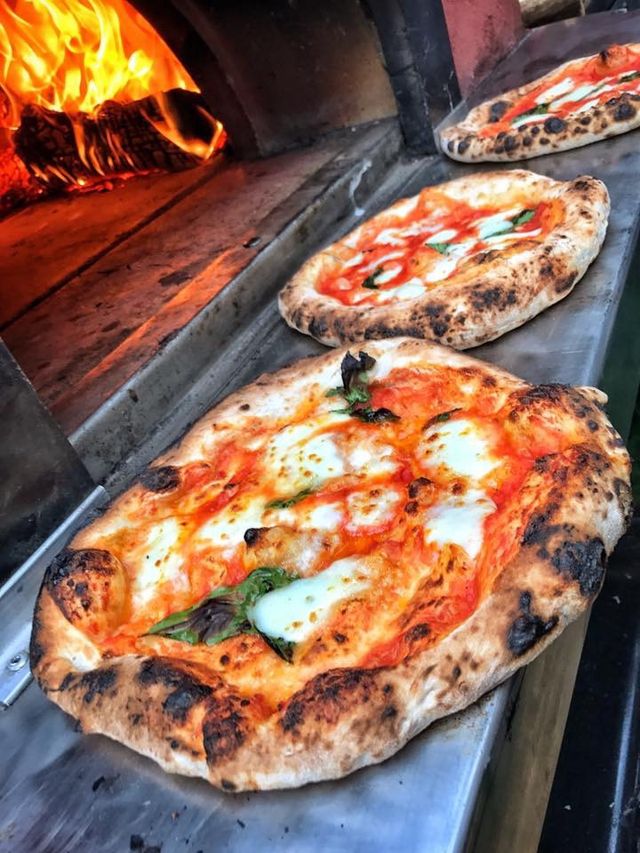
Neapolitan, including the puffy
crusted, soft-centered pizzas invented in that
city, which transcended the
thin-crusted anomalies that ruled for years. To
get right to the point, yes,
San Matteo’s pizzas are as close
to
those of Naples as you’ll find in New York––with a
yeasty, flavorful crust with
real chew, charred bubbles and toppings that make
sense, from a classic
Margherita to a Paesana with tomato
sauce,
housemade mozzarella, eggplant cubes and basil and
Cetara with tomato sauce, mozzarella,
capers, oregano, black olives, Sicilian anchovies,
garlic and basil. They also
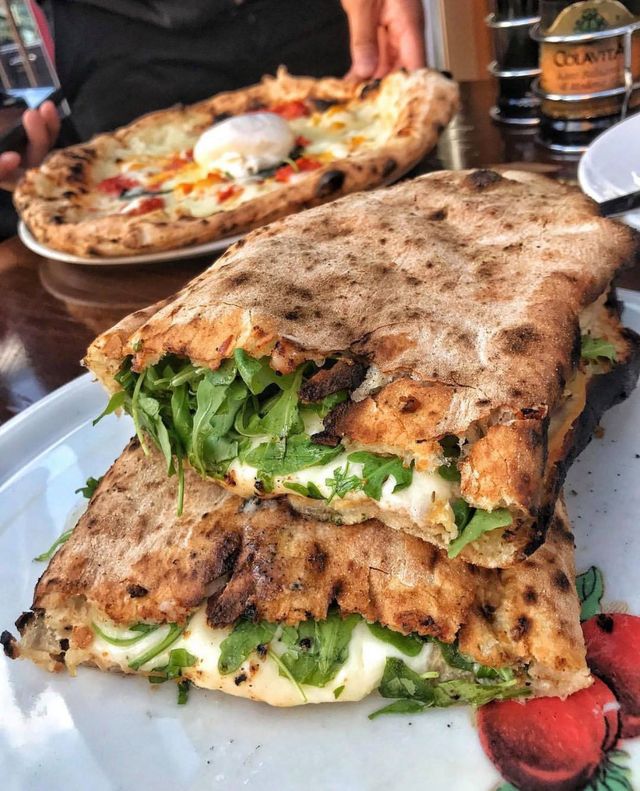
make wonderful calzones and panuozzi, a
specialty of Salerno, made with baked
Back
then the siblings helped revive an
interest in southern Italian food, particularly
Neapolitan, including the puffy
crusted, soft-centered pizzas invented in that
city, which transcended the
thin-crusted anomalies that ruled for years. To
get right to the point, yes,
San Matteo’s pizzas are as close
to
those of Naples as you’ll find in New York––with a
yeasty, flavorful crust with
real chew, charred bubbles and toppings that make
sense, from a classic
Margherita to a Paesana with tomato
sauce,
housemade mozzarella, eggplant cubes and basil and
Cetara with tomato sauce, mozzarella,
capers, oregano, black olives, Sicilian anchovies,
garlic and basil. They also
make wonderful calzones and panuozzi, a
specialty of Salerno, made with baked 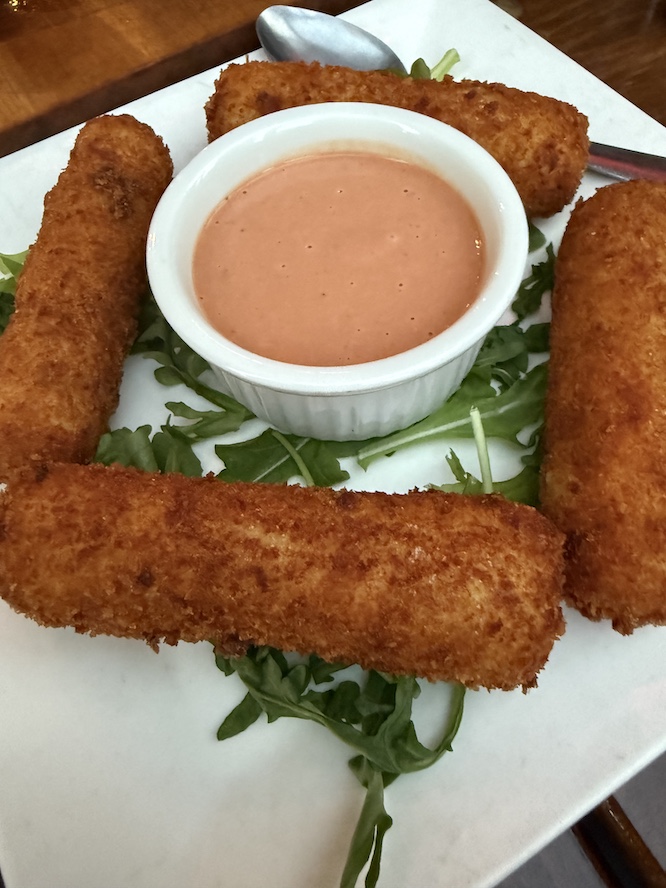 pizza dough,
sliced and stuffed with
a variety of ingredients including roast porchetta,
mortadella,
prosciutto, broccoli di rabe, buffalo
mozzarella, marinated eggplant,
arugula and roasted peppers.
pizza dough,
sliced and stuffed with
a variety of ingredients including roast porchetta,
mortadella,
prosciutto, broccoli di rabe, buffalo
mozzarella, marinated eggplant,
arugula and roasted peppers.
Were
you able to resist ordering a pizza as a first
course, I highly recommend the
luscious, cream-centered burrata and
prosciutto or the crocche di
patate––potato croquettes of a kind that
used to be on so many Italian
restaurants, now here revived, with a crispy fried
crust and velvety interior. The eggplant
parmigiana oozes with cheese and soft vegetable.
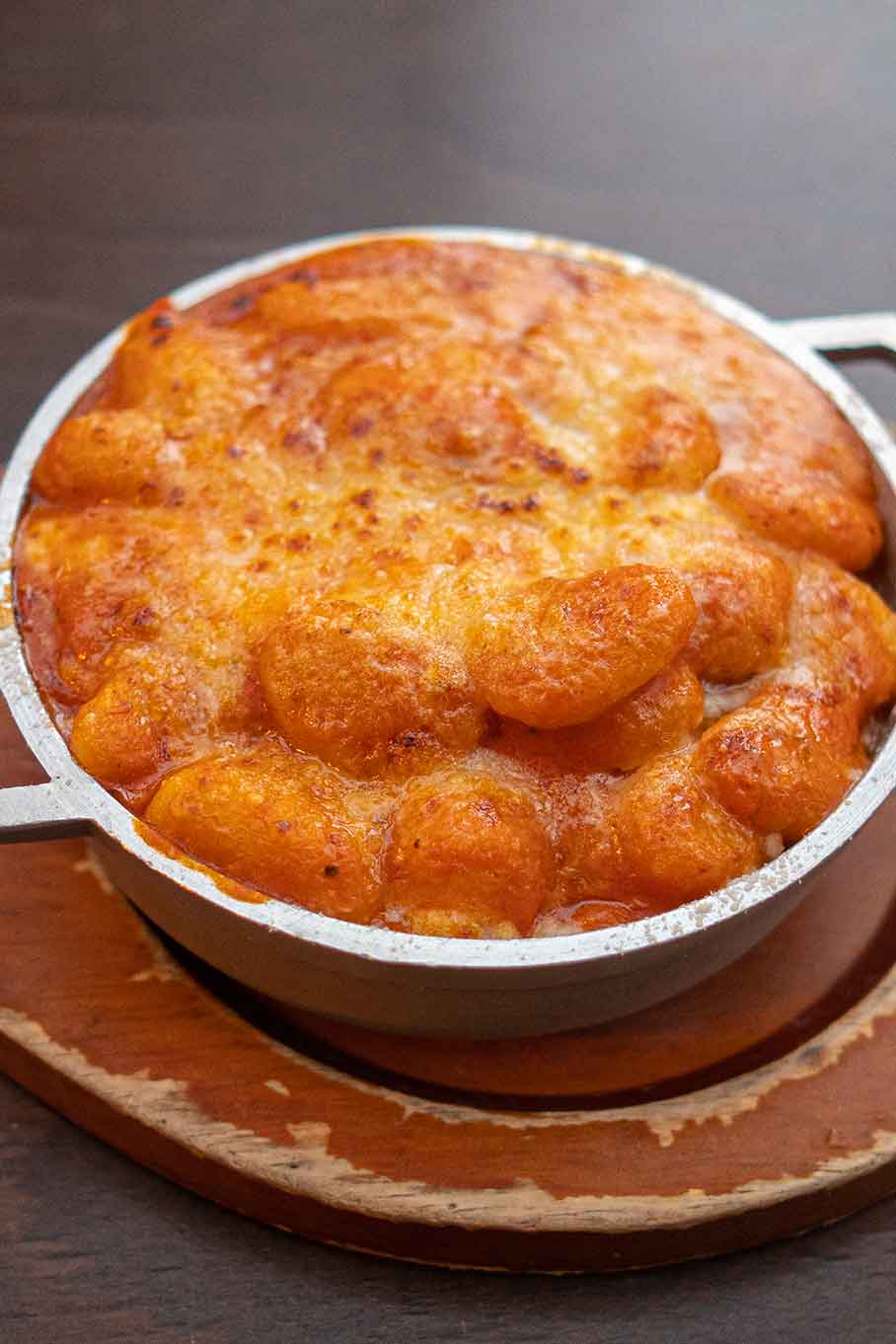
Of course the potato gnocchi alla
sorrentina are
housemade, of the right, tender texture and
cuddled in a tomato and eggplant
sauce, while other options include tagliatelle
with mushrooms, spaghetti
cooked in a pouch and rigatoni with a convincing
bolognese sauce rich and
complex with vegetables and meat.
 Main
courses revert to traditional fare like chicken
parmigiana
Main
courses revert to traditional fare like chicken
parmigiana 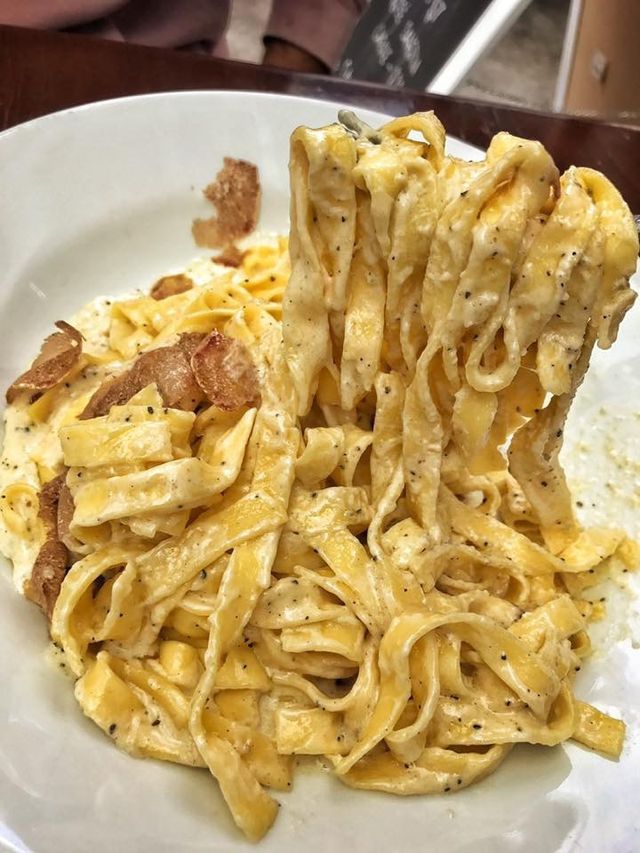 (another
dish now back in favor everywhere), but
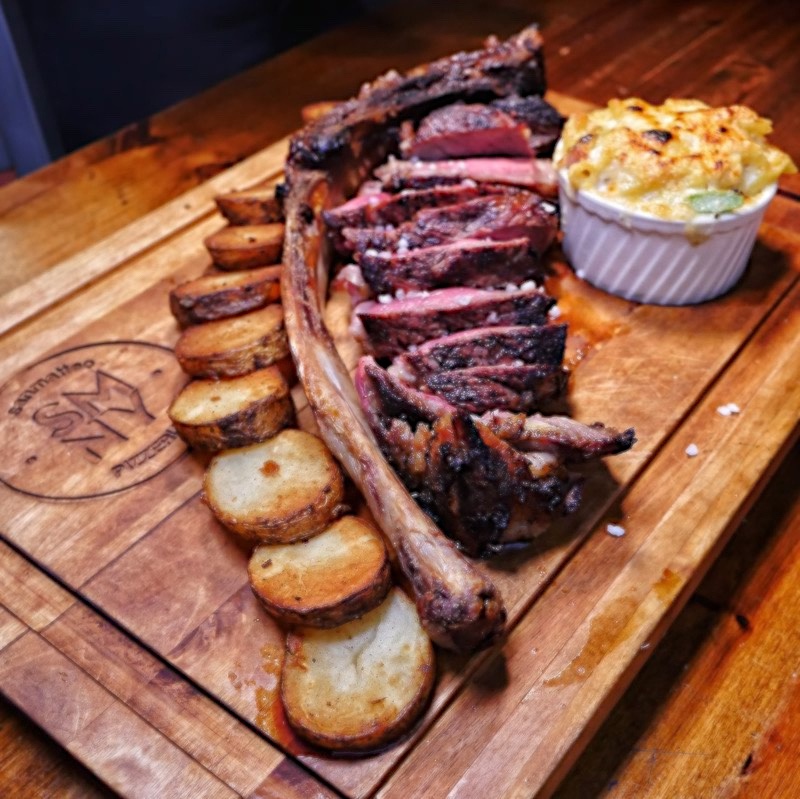
Fabio recommended a tomahawk steak, which
I could see dry aging in the restaurant’s
refrigerated cabinet. I’m always
hesitant about the bravura show of the naked rib
at the end of a massive
sirloin, but the meat, perfectly charred and
cooked medium-rare, was some of
the best beef I’ve eaten in ages, at a time when
high-end steakhouses all
(falsely or otherwise) promise dry-aged USDA Prime
with very little marbling or
flavor. This tomahawk specimen had a
minerality, a sanguine sweetness and a rich
fat content that I recall
from the days when the Prime grade really
meant something. The steak is huge and
four of us––albeit after pizza and pasta––managed
to consume only about half
the thick, rosy slices; the rest came home.
(another
dish now back in favor everywhere), but
Fabio recommended a tomahawk steak, which
I could see dry aging in the restaurant’s
refrigerated cabinet. I’m always
hesitant about the bravura show of the naked rib
at the end of a massive
sirloin, but the meat, perfectly charred and
cooked medium-rare, was some of
the best beef I’ve eaten in ages, at a time when
high-end steakhouses all
(falsely or otherwise) promise dry-aged USDA Prime
with very little marbling or
flavor. This tomahawk specimen had a
minerality, a sanguine sweetness and a rich
fat content that I recall
from the days when the Prime grade really
meant something. The steak is huge and
four of us––albeit after pizza and pasta––managed
to consume only about half
the thick, rosy slices; the rest came home.
For dessert there’s a generous tiramisù,
but even better is
the cream-centered lemon cake.
 San
Matteo has a modest wine list fit for a trattoria,
with
plenty of bottles under $100.
San
Matteo has a modest wine list fit for a trattoria,
with
plenty of bottles under $100.
There’s not much to say about the décor,
which more
resembles the average pizzeria than a stylish
trattoria. Try to get one of the
two tables by the window overlooking the avenue.
The
Casellas have done well with two New York units of
San
Matteo, and this year will be selling their pizzas at the
upcoming U.S. Open. Plans are in the
works for a gelateria in the neighborhood and
maybe San Matteos in other
cities. I
really
hope they don’t expand too much or too
quickly. Food this good takes very careful
monitoring, and there are only two
Casellas to make sure. But for now, San Matteo has
given the upper east side
the kind of Italian food so often copied and raved
about downtown and in Brooklyn
of a kind that go on and off those endless
lists. San Matteo should be
around for a very long time.
Open
daily for lunch and dinner.
HÔTEL ALLEMAGNE
By John Mariani
 Katie
called Catherine and told her their plans to
fly to Marseilles, asking if she’d like to
go along. Catherine said there was no way
for her to leave Paris because the spring
fashion shows were coming up the following
week and she’d be busy covering them for
CNN. Catherine said she’d keep Katie posted
on any news about the hotel crimes.
Katie
called Catherine and told her their plans to
fly to Marseilles, asking if she’d like to
go along. Catherine said there was no way
for her to leave Paris because the spring
fashion shows were coming up the following
week and she’d be busy covering them for
CNN. Catherine said she’d keep Katie posted
on any news about the hotel crimes.
David meanwhile asked Borel for any
contact he might have in Marseilles, and he
also called an old colleague on NYPD who had
worked on cases that involved the Marseilles
Mob, which was referred to as Le Milieu
and even les beaux voyous, which meant
“good fellows.” In fact, David’s friend, who
was named Teddy Ryan, had worked on the
so-called French Connection case that was the
basis of the movie of the same name. Arrests
in
that case had decimated the Marseilles mob,
which was now more or less controlled by the Unione
Corse, or Northern Corsican union and
the Brise de Mer, also Corsican.
Armed with
contacts from both Borel du Boss and Ryan,
David and Katie packed, checked out of their
hotel and took the one-hour flight out of Orly
that got them into Marseilles that afternoon.
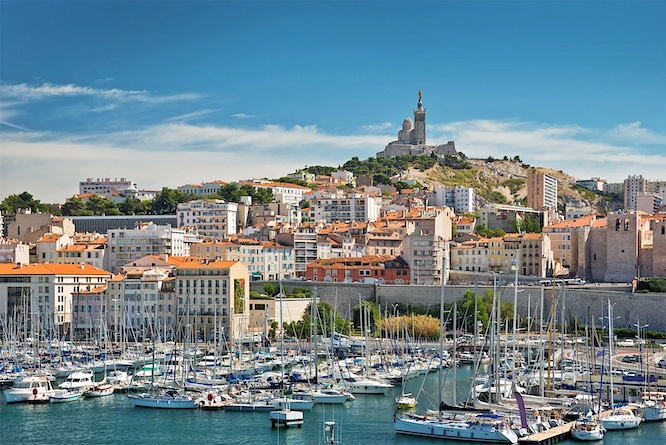
On the plane they read about the city, about
Prado Beach and the yacht basin and streets
named after fish, like Sar’din,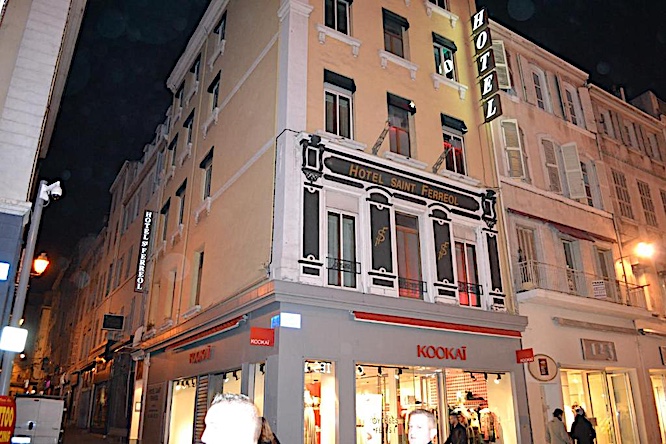 and about
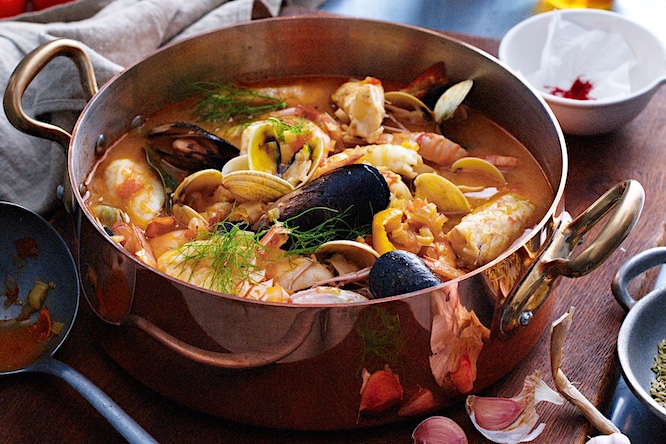
the city’s signature seafood stew,
bouillabaisse, served in every restaurant near
the port.
and about
the city’s signature seafood stew,
bouillabaisse, served in every restaurant near
the port.
They pre-booked rooms at Hôtel
Saint-Ferréol on Rue Pisançon near the Old
Port, which they walked around for a couple of
hours before dinner at Michel on the Rue des
Catalans. They, of course, ordered the
bouillabaisse, marveling at the depth of the
seafood soup and its garlic-rich mayonnaise
and the perfume of fennel and saffron, along
with a bottle of flowery Provençal rosé wine.
“Wish we could stay here carefree for a
couple more days,” said Katie.
“It’s a great-looking city,” said
David. “I’d love to come back here someday.
Maybe do some fishing.”
“I didn’t know you liked fishing.”
“Loved it since I was a kid. My father
used to take me to fish along the Long Island
Sound. I’ll always remember the old men
throwing their lines over the City Island
Bridge. They’d be there hour after hour, maybe
catching sunnies. Sometimes we’d rent a row
boat and go out into the Sound to catch
bluefish when they were running. Not much to
fish for in the Hudson River yet, though the
river’s coming back to life. I think I could
be happy here for a few weeks or months a
year. Did you ever go fishing, Katie?”
“We took a house in Stony Brook for a
couple of summers, but I was pretty young. I
don’t think we ever went fishing. It wasn’t
something my father had time for. But I think
I could live in Marseilles for a while.”
“How about we set up a detective agency
here?” asked David. Our last names would fit
right in: Cavuto and Greco, private eyes for
hire.”
“Or establish an English-language
newspaper. We could call it the Shoestring
Gazette and you could write a column on
fishing.”
“You’re forgetting, I’m not a writer.”
“Minor detail at the moment. Hey, did
you know that the actor Louis Jourdan (below)
was born in Marseilles?”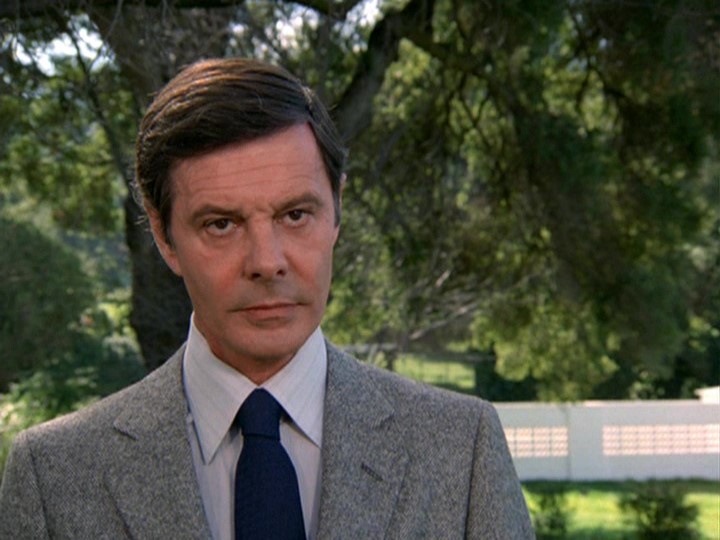
“The rich guy in Gigi? Pretty
suave actor.”
“Kind of a pretty boy and he couldn’t
really sing,” said Katie, “but it was a great
musical.”
They then began to discuss the next
day’s activity. David had spoken to Borel’s
contact in Marseilles, whose name was Philippe
Iacomino, who worked for the Central
Directorate of the Judicial Police that
handled mob crimes, and he had long
acquaintance with the workings of the various
gangs and would know more about individuals
than there was in the official records.
There
was fog in the port the next morning, and by
six David was watching some of the fishing
boats leaving for the day’s catch, keeping
their horn-blowing to a minimum out of
courtesy to the town’s sleeping populace. He
went down for coffee and brioche in the lobby,
then strolled along the harbor, returning to
find Katie having her breakfast.
 “We’re
so
close to Italy I thought I’d have a
cappuccino,” she said. “It’s really good after
all that French coffee in Paris. So where are
we meeting Iacomino?”
“We’re
so
close to Italy I thought I’d have a
cappuccino,” she said. “It’s really good after
all that French coffee in Paris. So where are
we meeting Iacomino?”
David put on his reading glasses and
said, “The concierge said his office was just
a ten-minute walk.”
“So, let’s take a leisurely stroll,”
said Katie, collecting her things and taking
David’s arm.
They showed up early at the police
headquarters and Detective Iacomino came out
to meet them. David thought he looked exactly
the way he thought a cop on the French Riviera
should look: Stocky, in his fifties, with a
salt-and-pepper goatee and thick eyebrows, his
white shirt was clean, his tie askew, his
trousers a bit shiny. He asked the Americans
if they wanted coffee.
“So, you know mon ami Michel,
eh?,” he said, bringing them into his small
office, which he shared with another
detective. “He said you worked with him a
couple of times? Michel is a good man, but
he’s stuck in that damn Paris bureaucracy.
Down here, they say we take too long to get
anything done, but up there they waste too
much time going through—what do you call
it?—‘red tape?’ They get nothing done. We get
a little done. How does that go in New York,
Monsieur?”
“Oh, there’s plenty of red tape,” said
David, “but somehow some things get done. It
depends a lot on who’s the mayor of New York.”
“Ah, politicians. They’re all corrupt,
every one of them down here. And I tell you
the truth, mes amis, a lot of the cops
are, too. The mob is not as strong as they
used to be, but they still have their teeth in
the politicians.”
“Michel said you were as honest as they
come,” said David.
Iacomino laughed and said, “Ah, oui,
as honest as they come, meaning maybe I am
more honest than most, eh? Anyway, you want to
talk about this guy Marciano because he left a
glove under a bed in a hotel?”
“Well, the bed was in one of the hotels
that got hit with the virus,” said Katie, “and
Marciano had checked in that afternoon and
seems to have left that same night.”
Iacomino shook his head this way and
that and said, “Not much to go on, eh? You
came all the way to Marseilles for that? Your
magazine pay for all this?”
“No,” said Katie, “David and I are here
on our own. We’re on vacation but doing a bit
of snooping.”
Iacovino didn’t know whether Katie and
David were romantically involved, but if they
were, he thought David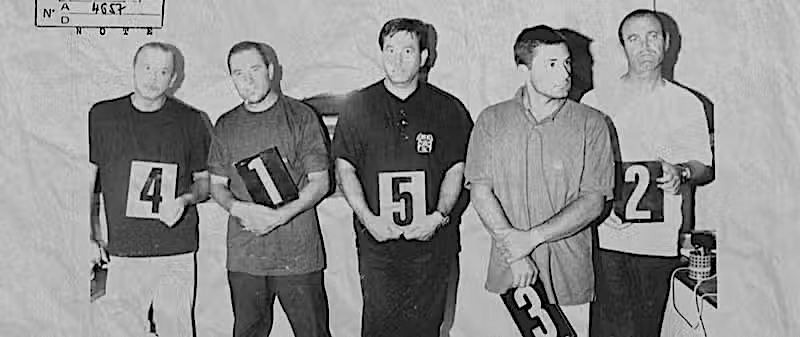 a
very lucky man. He said nothing.
a
very lucky man. He said nothing.
“Alors, let me give you a quick
lecture on the state of the Marseilles mob at
the moment—and it’s always changing, one group
kills a member of another group, the other
group retaliates, then we have peace for a
while, then it happens all over again. At the
moment things are peaceful. But just a year
ago some members of the Corsican gang called Brise
de Mer (right) escaped from
prison by sending fake faxes from a judge
ordering their release. I’m pretty sure the
judge knew all about it, but we were told not
to look too closely. Then Brise de Mer
pretty much eliminated its rival, the Armata
Corsa.”
“By killing them off?” asked Katie.
“Pretty much. They kill a few, the rest
run away. They’ll be back in a year or two.”
“So, is Marciano involved with any of
the mobs?”
“Marciano is what you call a low-life
who owns three garages and mechanic shops. He
also owns a couple of pizzerias around the
port. Our files on him consist of one sheet of
paper. We’ve never been able to arrest him for
any major crimes, but we know he helps the mob
steal expensive cars on the Riviera and has
them shipped to South America and the Middle
East, where they will pay anything for them.
He probably helps the mobs to hide cocaine in
cars to be shipped out of the country. His
shops are right on the port, so, the cars come
in, swish, swish, overnight they get loaded on
the ships and they’re gone the next morning.”
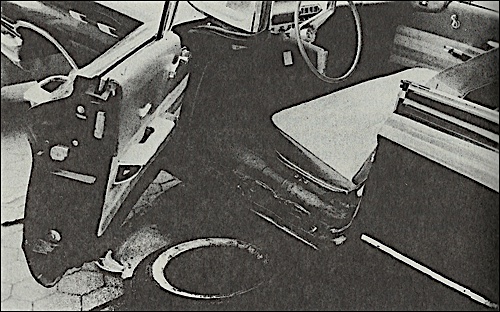 “Ever
look in the rocker panels for drugs?” asked
David.
“Ever
look in the rocker panels for drugs?” asked
David.
“The rocker panels? What is this?”
“I’m sure you saw the movie The
French Connection”—Iacovino rolled his
eyes—“and the cops get a car they know is
dirty but can’t find any drugs anywhere in
it.”
“Ah!” said Iacovino, slapping his
forehead, “The rocker panels along the bottom
of the car door! Oui, they pry it open
and the cocaine is inside. I forget. No, I
don’t think we’ve been looking in the rocker
panels. I don’t even know if cars have them
anymore.”
“Anyway,” said David, “you don’t think
Marciano’s one of the mob?”
“Oh, I’m sure he
is, but he’s not one of the big guys.”
“So, it’s not likely the mob would hire
him to commit the hotel crimes?” asked Katie.
“No, he might, because he’s not the
kind of smart guy who could mastermind such a
crime all on his own. Where would he get the
virus? A lot of crazy things go on in
Marseilles but I don’t think anyone’s selling
vials of virus.”
“What if an outside nation wanted the
mob to do such a job for them?” asked Katie,
then told Iacovino about what she called “The
Russian Connection.”
“Oui, it’s possible. If the
Russians hired the mob—and there are Russians
crawling all over the Riviera—they might set
it all up and just ask the mob to choose a guy
like Iacovino to deliver the virus. But there
were three hotels, oui? Three
different perpetrators?”
“It seems likely,” said David. “But
Marciano is the only one we have any kind of
lead on at all.”
“One plastic glove, eh? I don’t
think we can arrest him for that.”
“Can you
bring him in on suspicion, ask him what
he was doing in Paris?”
Iacovino looked at David as if he was a
little naïve. “Mon ami, if I brought in
everyone if Marseilles who went to Paris for
any of a thousand reasons, I’d have to bring
in the whole populace. Michel would have a
better chance of rounding up everyone who
stayed at all three hotels in Paris.”
“But you don’t mind us talking to
Marciano ourselves?”
Iacovino puffed on his lower lip and
said, “It’s still a free country, more or
less. You want his address? Let me know what
you find. I’m here if you need me.”
Katie and David thanked the detective
for his help and left the headquarters to
discuss a plan to interview Marciano.
“Can you tell him you’re working on a
story about the renovation of the Marseilles
waterfront?” asked David.
“Not unless I’m working undercover,”
said Katie, “just the way you couldn’t tell a
suspect you want to speak to him about the New
York waterfront unless you really were. Rules
of the game prevent me from doing that. I’d
need approval from Alan.”
“Well, we can’t exactly go up to him
and ask him if he committed the crime in
Paris.”
“Maybe we can work around him. Speak to
people in the neighborhood? Maybe Iacovino can
put us in touch with some friendly mobster?”
“You mean one who will tell us that
Marciano does jobs for the mob? That I doubt.
But, listen, Katie, I’m not working for McClure’s
here and I’m not a cop over here, so let me
bend the rules a little.”
“Well, then, let’s just go over nice
and innocently and ask him some auto mechanic
questions and see where it leads.”
© John Mariani, 2024
❖❖❖
Italy’s Lambrusco Wines Deserve
More Respect
Than the
Sweet
Fizzy Pink Stuff of the Past
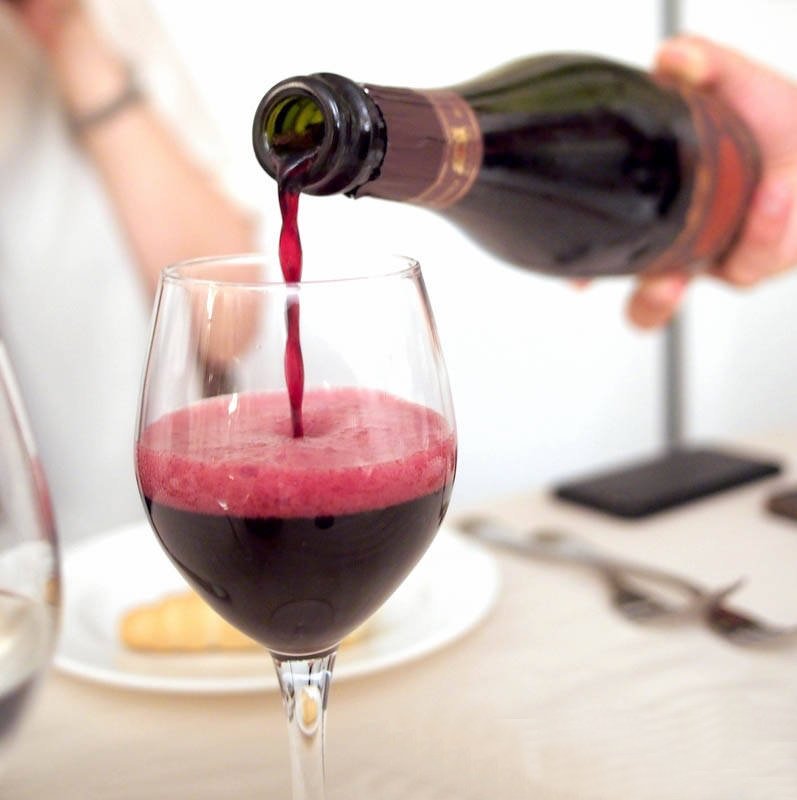
If
the name Lambrusco means anything to most Americans
it is
probably because at some point they tried and even
enjoyed Riunite, a pink,
fizzy, sweet alternative to Kool-Aid for adults with
the tag line, “Reunite on
ice, that’s nice!” (I’m surprised they didn’t
Italianize it with “atsa nice!) A
jug of it still sells for $14. Back in the 1970s it
was a wine crafted to
compete with other sweet wines like Portugal’s
Mateus and Spanish sangria,
loved precisely because they were sweet and could be
splashed over ice.
Unfortunately Riunite’s popularity was so
great that wine
lovers assumed all Lambruscos were of the same kind.
Yet in Emilia-Romagna,
where Lambrusco is made, that is far from the truth.
In fact, the authoritative
Native Wine Grapes of Italy by Ian d’Agata
devotes eight double-column
pages to the wine, writing, “The Lambrusco family
of grapes and wines
could do with better public relations, as their
image is tarnished in most fine
wine drinking circles; fairly enough too, as these
varieties are behind a
collection of not very distinguished wines.” He also
quotes Italian chef Lidia
Bastianich as saying, “Lambruscos have been
misrepresented by industrial
versions that have the soda pop flavors they think
Americans might want.”
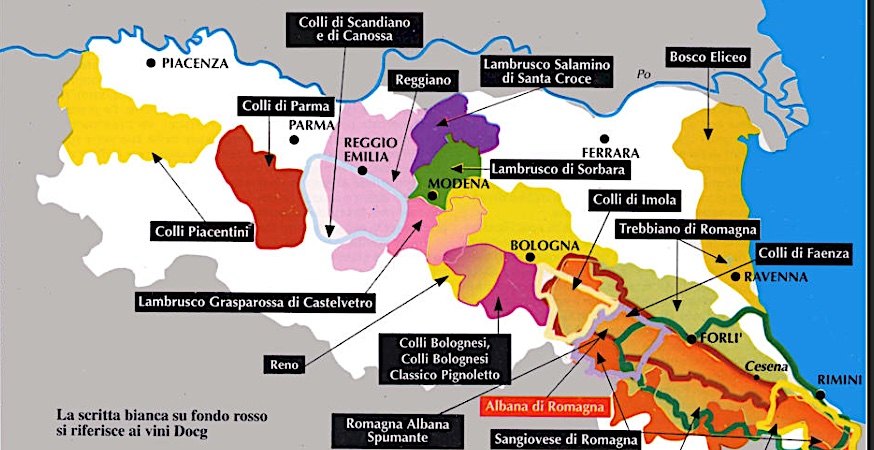 I myself felt
that way, too, until I traveled through
Emila-Romagna and ate at its fine restaurants in
Bologna, Parma, Modena and
others where I found splendid examples of dry
Lambrusco––with a slight
fizz––that went with rich dishes like lasagne
verde, tagliatelle ala bolognese
and bollito misto.
I myself felt
that way, too, until I traveled through
Emila-Romagna and ate at its fine restaurants in
Bologna, Parma, Modena and
others where I found splendid examples of dry
Lambrusco––with a slight
fizz––that went with rich dishes like lasagne
verde, tagliatelle ala bolognese
and bollito misto.
There are at least eight varieties of
Lambrusco grapes (not
to be confused with Vitis labrusca of North
America), of which the best
known, oldest and
most abundant is
Lambrusco di Sorbara. Many of the best come from
vineyards.jpg) around Modena.
The
finer examples have a taste of strawberry and an
aroma of violets. They tend to
be fairly light wines and the acid cuts through the
richness of foods. They are
also very pleasant as an apéritif with
Emilia-Romagna products like Prosciutto
di Parma and Parmigiano-Reggiano.
around Modena.
The
finer examples have a taste of strawberry and an
aroma of violets. They tend to
be fairly light wines and the acid cuts through the
richness of foods. They are
also very pleasant as an apéritif with
Emilia-Romagna products like Prosciutto
di Parma and Parmigiano-Reggiano.
(By the way, June 21st was
National Lambrusco Day.)
Most Lambruscos are still produced by
communal farmers, but
there are some well-established and young artisanal
newcomers who have
continually improved the wines. Among the finer
producers are Cavicchioli,
Paltrinieri, Venturini Baldini, Terrevive and,
possibly the best known and
exported to the U.S., Cleto Chiarli, which was
founded only in 2003 (though the
parent winery goes back to 1860) by
fourth generation family scions Mauro and Anselmo
Chiarli. Located on 300 acres
in Grasparossa (whose name is also one of the
Lambrusco varieties), they
produce 90,000 bottles in different styles crafted
by winemaker Filippo
Mattioli, using the Charmat method to give the wine
its frizzante
bubbles and clarity. The wines are very refreshing.
All have a DOC appellation.
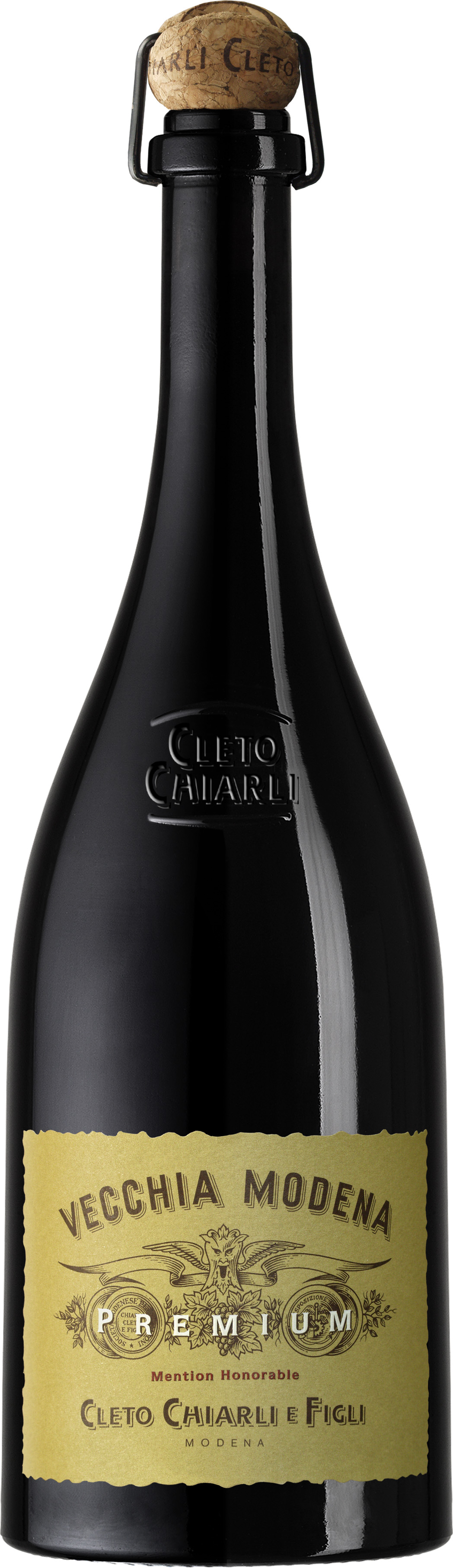 Cleto Chiarli's
best known Lambrusco is Vecchia Modena
Premium Brut ($19) dates back
to 1882 and its introduction in 1900 to the World
Expo in Paris in
1900, re-introduced in 2002, made from 100%
Lambrusco di Sorbara grown in alluvial
loam soil. Aged for two months, it is a lovely rose
color, with a light 11% alcohol,
and ideal with roast veal, grilled chicken and
cheeses.
Cleto Chiarli's
best known Lambrusco is Vecchia Modena
Premium Brut ($19) dates back
to 1882 and its introduction in 1900 to the World
Expo in Paris in
1900, re-introduced in 2002, made from 100%
Lambrusco di Sorbara grown in alluvial
loam soil. Aged for two months, it is a lovely rose
color, with a light 11% alcohol,
and ideal with roast veal, grilled chicken and
cheeses.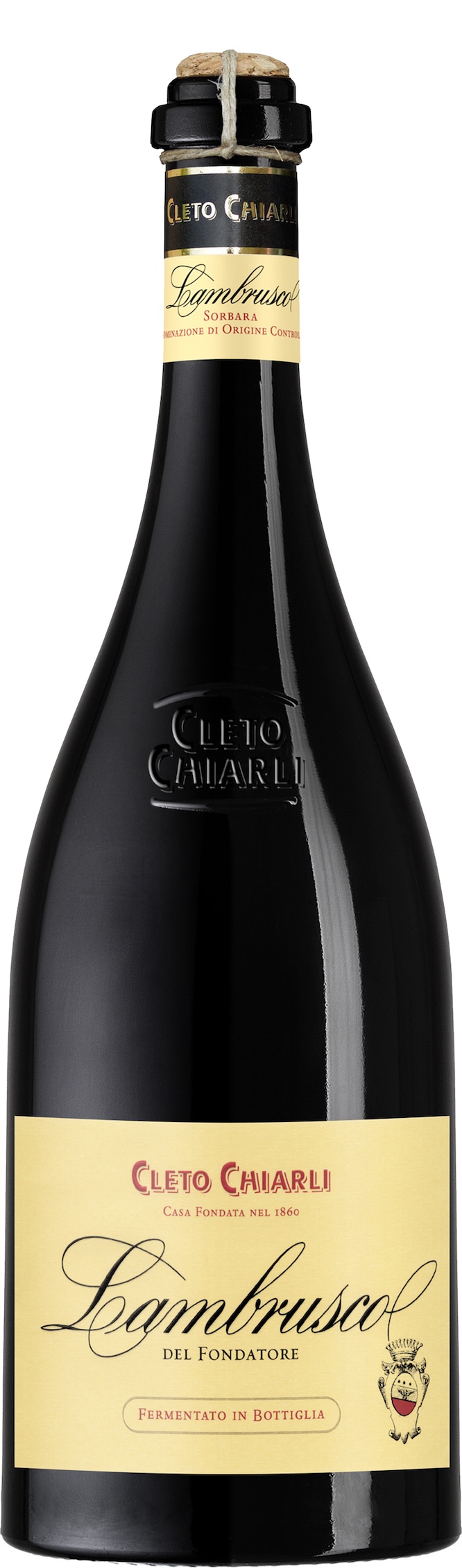
Lambrusco del
Fondatore ($22) evokes
the quaffable style poured at the
family’s 19th century trattoria, made
in the ancestral
method by which the wine is bottled half-fermented
and allowed to finish
fermentation in the bottle, which traps the carbon
dioxide that creates the fizz.
It is now made from 100% Lambrusco di Sorbara grapes
and, interestingly, not
disgorged or filtered, so that the natural sediment
remains in the bottle. It
spends two months on the lees under cold
fermentation. The wine gives you a
true sense of that ancient style and goes well with
simple, hearty pastas and
stews. Its alcohol is 11.5%.
“Organic”
Lambrusco di Modena ($17). As of 2016 , with other
growing partners within the Cantina
Sociale di Settecani from the Castelvetro area,
Cleto Chiarli worked with Grasparossa
grapes with integrated pest
control systems
from soils composed of
loam, alluvial sediment and gravel and vines nine
years old. The grapes were
macerated for four to five days using the must from
gravity pressing, 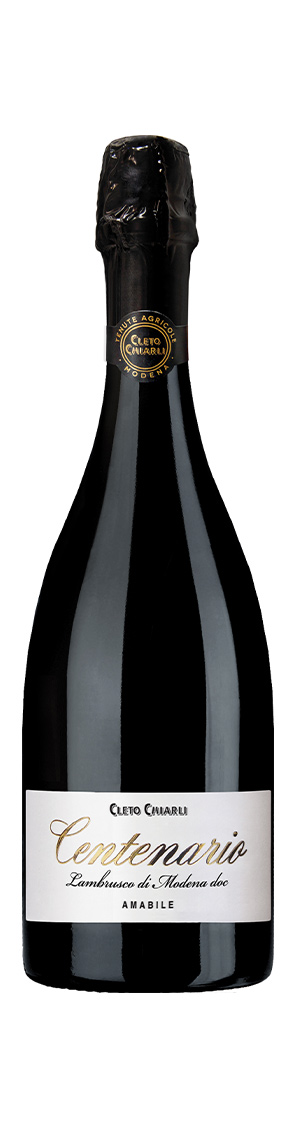 then
treated to cold clarification and stabilization,
with no second fermentation,
spending one month in bottle to emerge at 11%
alcohol.
then
treated to cold clarification and stabilization,
with no second fermentation,
spending one month in bottle to emerge at 11%
alcohol.
“Centenario”
Lambrusco di Modena Amabile ($16). The term “amabile”
means lovable in
Italian, and refers to a wine slightly sweeter abbocato.
It is made from
the thick-skinned Lambrusco di
Grasparossa, whose high acid
keeps the wine balanced and avoids its being
cloyingly sweet from its 48
grams/liter residual sugar. Aged only one to two
weeks, it’s a simple Lambrusco
but a good example of what a semi-dry (or
semi-sweet) style should be like.
Terrific match with pizza.
❖❖❖
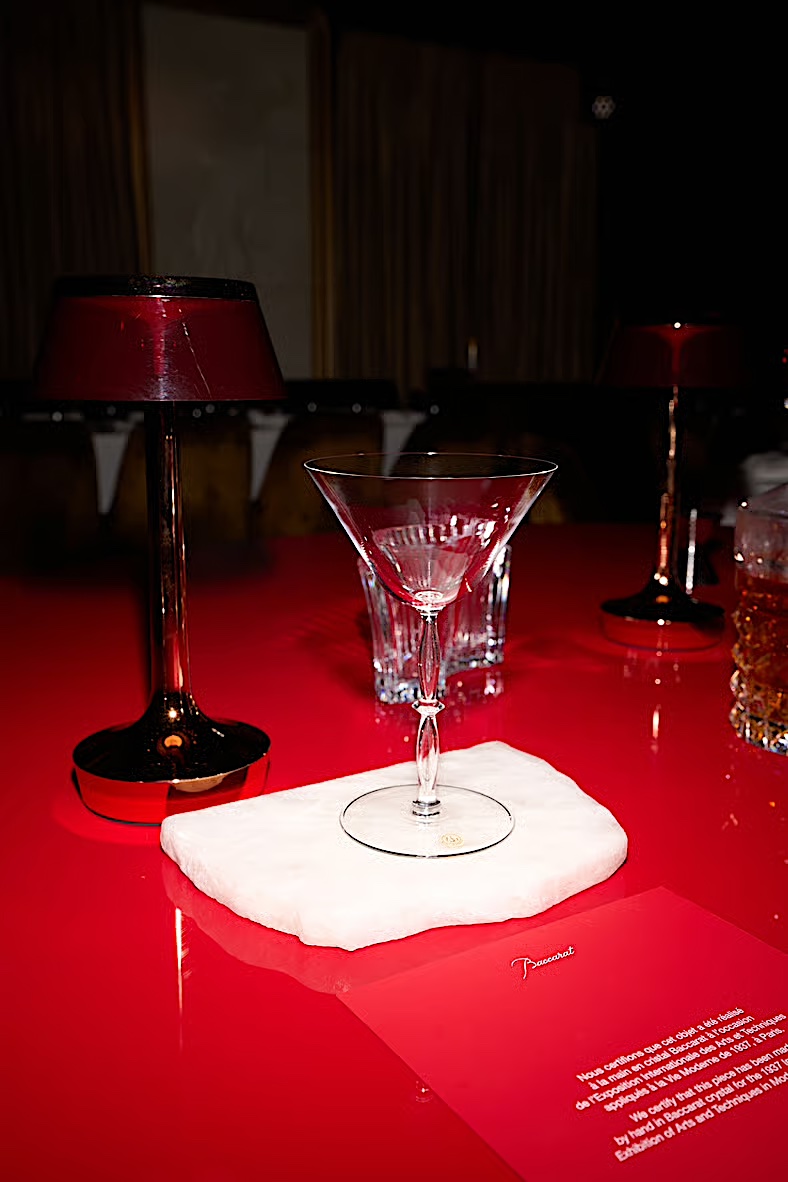
NAHATÉ, a restaurant
cocktail bar, night club and private membership
club located in the DIFC podium level in Dubai,
broke the world record for the most expensive
cocktail in the world at €37,500
($41,160USD),
which was auctioned off.The drink was
made by Salvatore
Calabrese with Patron tequila. special
edition and served in one of the rarest 1937 Baccarat crystal
glasses ever crafted (there are only two in
existence), which the highest bidder took home. The
winning bidder took home the rare tequila blend and
the exquisite 1937 Baccarat crystal.
❖❖❖
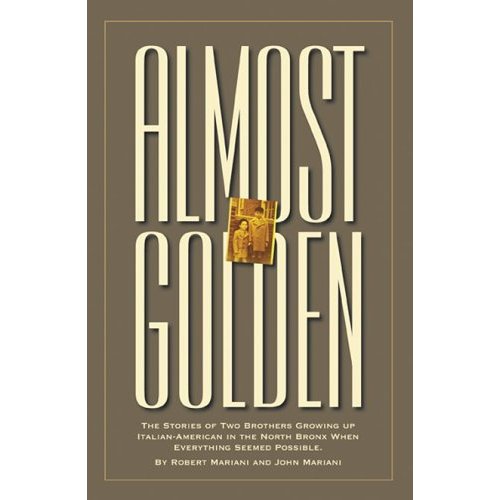
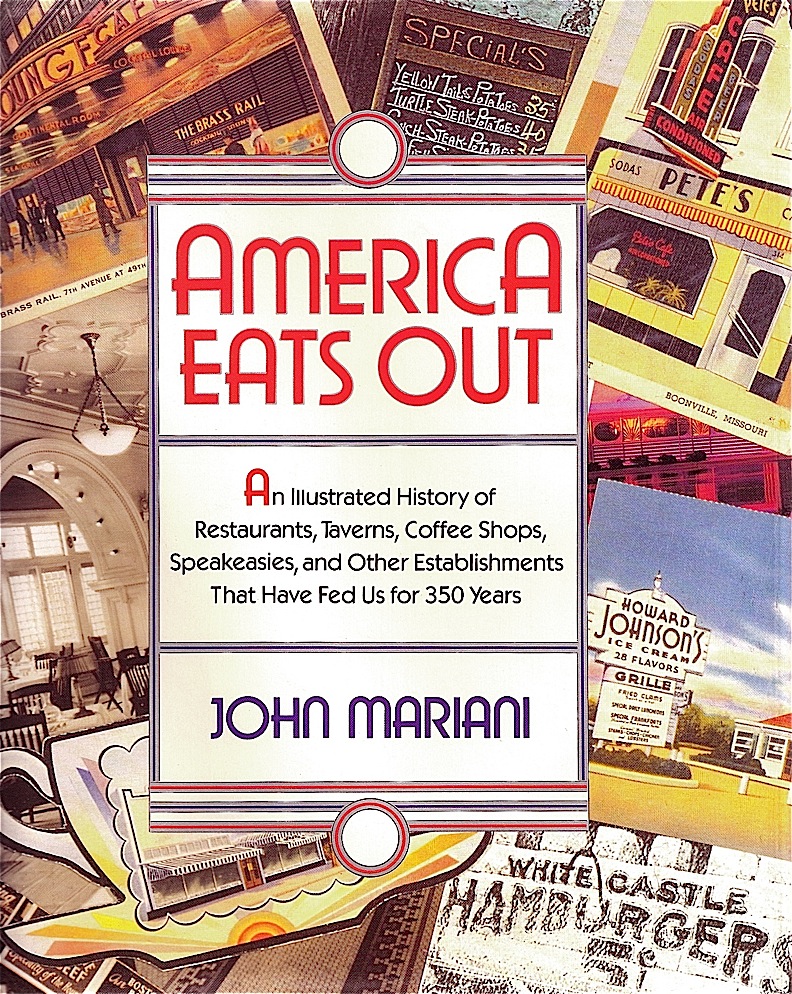
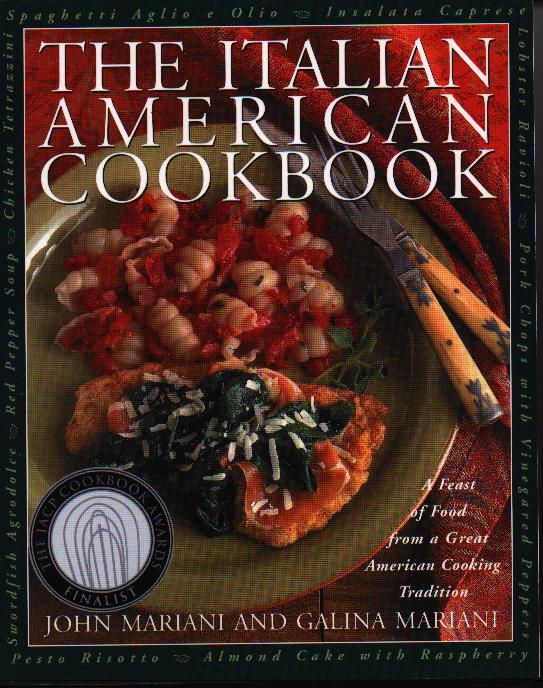
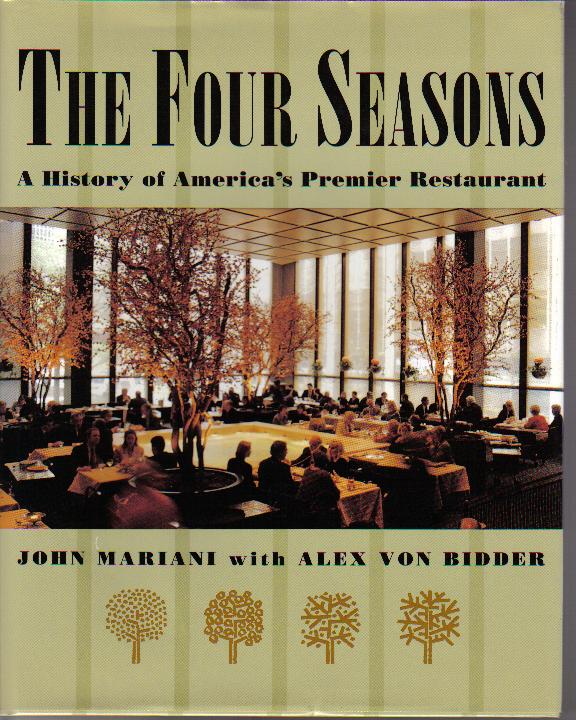
Any of John Mariani's books below may be ordered from amazon.com.
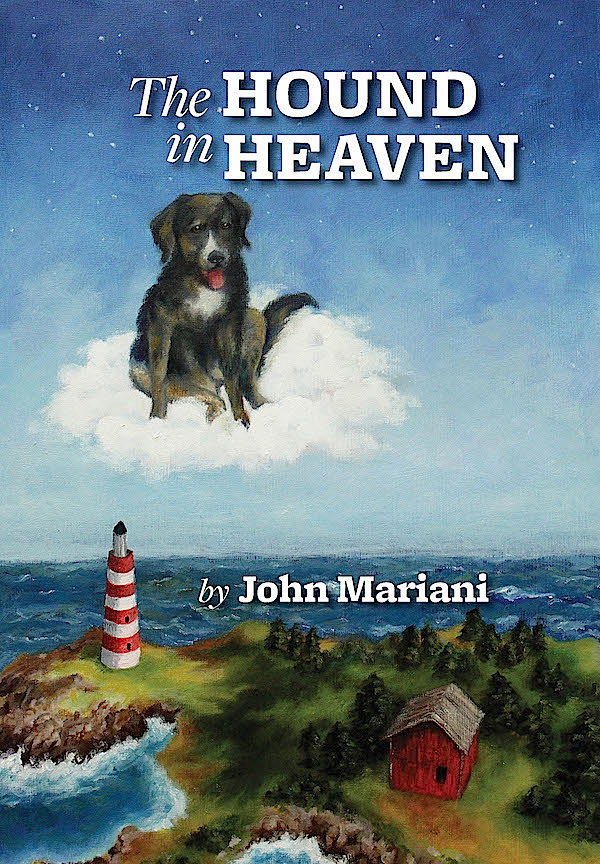 The Hound in Heaven
(21st Century Lion Books) is a novella, and
for anyone who loves dogs, Christmas, romance,
inspiration, even the supernatural, I hope you'll find
this to be a treasured favorite. The story
concerns how, after a New England teacher, his wife and
their two daughters adopt a stray puppy found in their
barn in northern Maine, their lives seem full of promise.
But when tragedy strikes, their wonderful dog Lazarus and
the spirit of Christmas are the only things that may bring
his master back from the edge of despair.
The Hound in Heaven
(21st Century Lion Books) is a novella, and
for anyone who loves dogs, Christmas, romance,
inspiration, even the supernatural, I hope you'll find
this to be a treasured favorite. The story
concerns how, after a New England teacher, his wife and
their two daughters adopt a stray puppy found in their
barn in northern Maine, their lives seem full of promise.
But when tragedy strikes, their wonderful dog Lazarus and
the spirit of Christmas are the only things that may bring
his master back from the edge of despair. WATCH THE VIDEO!
“What a huge surprise turn this story took! I was completely stunned! I truly enjoyed this book and its message.” – Actress Ali MacGraw
“He had me at Page One. The amount of heart, human insight, soul searching, and deft literary strength that John Mariani pours into this airtight novella is vertigo-inducing. Perhaps ‘wow’ would be the best comment.” – James Dalessandro, author of Bohemian Heart and 1906.
“John Mariani’s Hound in Heaven starts with a well-painted portrayal of an American family, along with the requisite dog. A surprise event flips the action of the novel and captures us for a voyage leading to a hopeful and heart-warming message. A page turning, one sitting read, it’s the perfect antidote for the winter and promotion of holiday celebration.” – Ann Pearlman, author of The Christmas Cookie Club and A Gift for my Sister.
“John Mariani’s concise, achingly beautiful novella pulls a literary rabbit out of a hat – a mash-up of the cosmic and the intimate, the tragic and the heart-warming – a Christmas tale for all ages, and all faiths. Read it to your children, read it to yourself… but read it. Early and often. Highly recommended.” – Jay Bonansinga, New York Times bestselling author of Pinkerton’s War, The Sinking of The Eastland, and The Walking Dead: The Road To Woodbury.
“Amazing things happen when you open your heart to an animal. The Hound in Heaven delivers a powerful story of healing that is forged in the spiritual relationship between a man and his best friend. The book brings a message of hope that can enrich our images of family, love, and loss.” – Dr. Barbara Royal, author of The Royal Treatment.
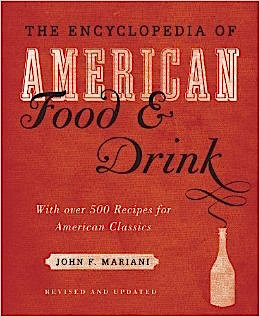 |
The Encyclopedia of American Food and Drink by John F. Mariani (Bloomsbury USA, $35) Modesty forbids me to praise my own new book, but let me proudly say that it is an extensive revision of the 4th edition that appeared more than a decade ago, before locavores, molecular cuisine, modernist cuisine, the Food Network and so much more, now included. Word origins have been completely updated, as have per capita consumption and production stats. Most important, for the first time since publication in the 1980s, the book includes more than 100 biographies of Americans who have changed the way we cook, eat and drink -- from Fannie Farmer and Julia Child to Robert Mondavi and Thomas Keller. "This book is amazing! It has entries for everything from `abalone' to `zwieback,' plus more than 500 recipes for classic American dishes and drinks."--Devra First, The Boston Globe. "Much needed in any kitchen library."--Bon Appetit. |
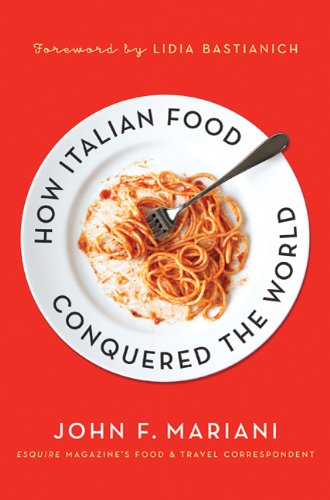
"Eating Italian will never be the same after reading John Mariani's entertaining and savory gastronomical history of the cuisine of Italy and how it won over appetites worldwide. . . . This book is such a tasteful narrative that it will literally make you hungry for Italian food and arouse your appetite for gastronomical history."--Don Oldenburg, USA Today. "Italian
restaurants--some good, some glitzy--far
outnumber their French rivals. Many of
these establishments are zestfully described
in How Italian Food Conquered the World, an
entertaining and fact-filled chronicle by
food-and-wine correspondent John F.
Mariani."--Aram Bakshian Jr., Wall Street
Journal.
"Equal parts
history, sociology, gastronomy, and just
plain fun, How Italian Food Conquered the
World tells the captivating and delicious
story of the (let's face it) everybody's
favorite cuisine with clarity, verve and
more than one surprise."--Colman Andrews,
editorial director of The Daily
Meal.com. "A fantastic and fascinating
read, covering everything from the influence
of Venice's spice trade to the impact of
Italian immigrants in America and the
evolution of alta cucina. This book will
serve as a terrific resource to anyone
interested in the real story of Italian
food."--Mary Ann Esposito, host of PBS-TV's
Ciao
Italia. "John Mariani has written the
definitive history of how Italians won their
way into our hearts, minds, and
stomachs. It's a story of pleasure over
pomp and taste over technique."--Danny Meyer,
owner of NYC restaurants Union Square
Cafe, The Modern, and Maialino.
|
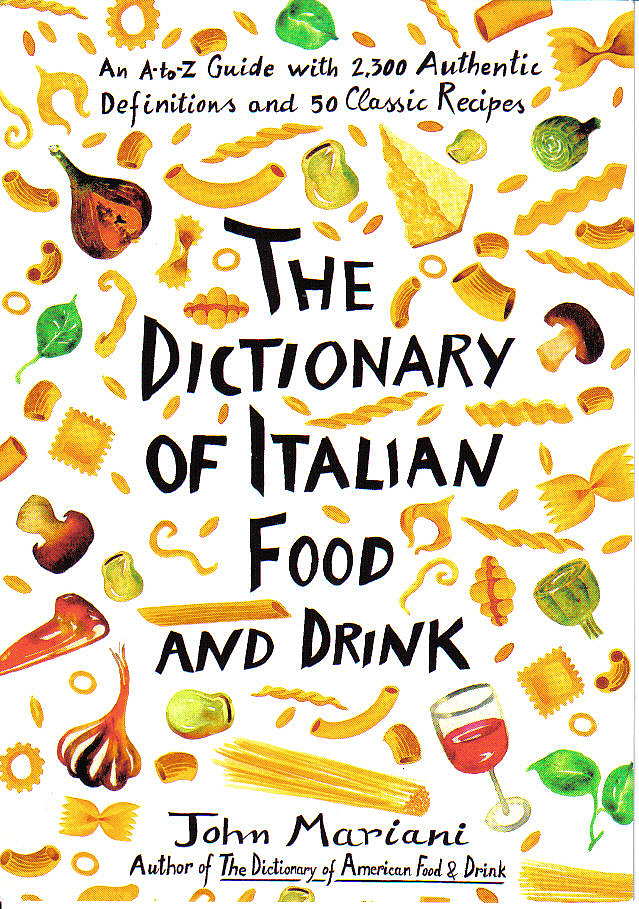 |
 |
 |
 |
 |
 |
MARIANI'S VIRTUAL GOURMET
NEWSLETTER is published weekly. Publisher: John Mariani. Editor: Walter Bagley. Contributing Writers: Christopher
Mariani, Misha Mariani, John A. Curtas, Gerry Dawes, Geoff Kalish.
Contributing
Photographer: Galina Dargery. Technical
Advisor: Gerry
McLoughlin.
If you wish to subscribe to this
newsletter, please click here: http://www.johnmariani.com/subscribe/index.html
© copyright John Mariani 2025