.jpg)
THIS WEEK
THE THREE MARTINI LUNCH
IS A RELIC BUT THE BUSINESS LUNCH
STILL REQUIRES SOME THOUGHT
By John Mariani
NEW YORK CORNER
KANSHA
By John Mariani
HÔTEL ALLEMAGNE
CHAPTER NINETEEN
By John Mariani
NOTES FROM THE WINE CELLAR
NEW WINES OF PORTUGAL
By John Mariani
IS A RELIC BUT THE BUSINESS LUNCH
STILL REQUIRES SOME THOUGHT
By John Mariani
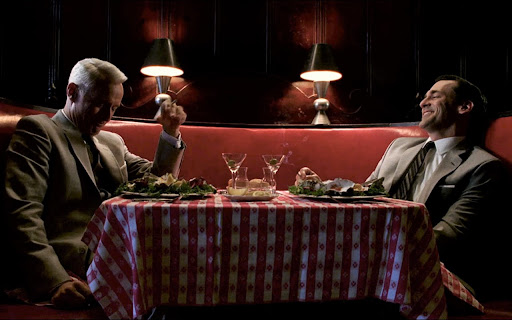
It seems
quite a long time since the “three Martini
lunch” was a real metaphor for the way
American businessmen did business over a
shrimp cocktail and steak meal, as epitomized
on the TV series “Mad Men,” when lunch seemed
the beginning and often the end of a workday.
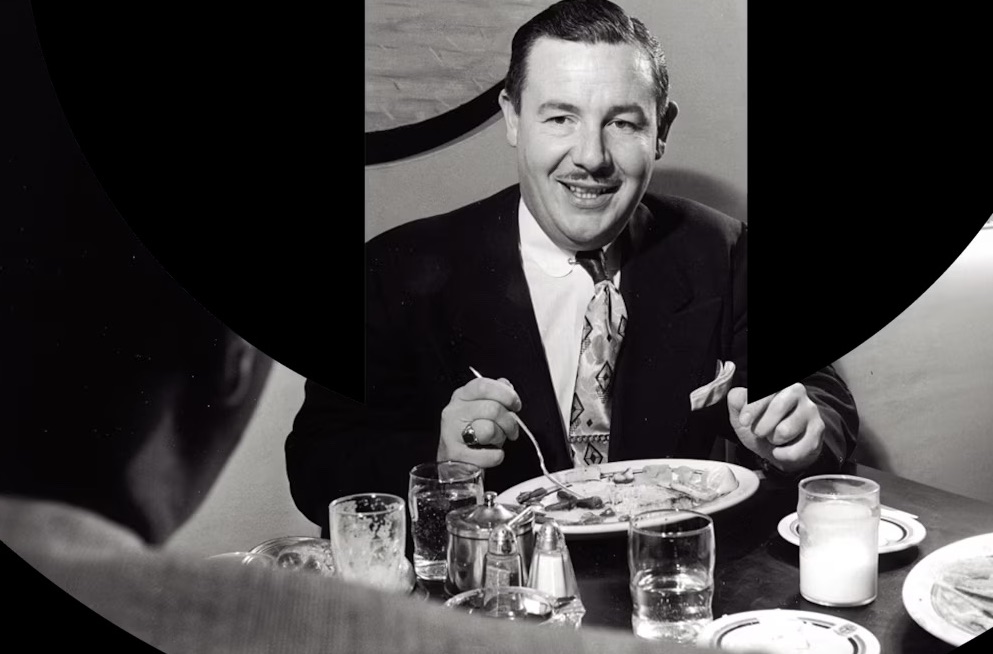 Expense
accounts were at the heart of such meals, especially
after businessman
Francis X. McNamara (left) found
himself unable to pay for a restaurant meal in
New York because he’d forgotten his money and
so, with the help of attorney Ralph Schneider,
created the “Diners Club” credit card in 1950.
For a fee of three dollars per year, cardholders
could charge their meals at any of twenty-seven
participating restaurants in New York. By the
end of 1951 more than $1 million had been
charged on the new cards.
Expense
accounts were at the heart of such meals, especially
after businessman
Francis X. McNamara (left) found
himself unable to pay for a restaurant meal in
New York because he’d forgotten his money and
so, with the help of attorney Ralph Schneider,
created the “Diners Club” credit card in 1950.
For a fee of three dollars per year, cardholders
could charge their meals at any of twenty-seven
participating restaurants in New York. By the
end of 1951 more than $1 million had been
charged on the new cards.
The term “power lunch” was
coined in an article by Lee Eisenberg entitled
“America’s Most Powerful Lunch” in Esquire
magazine (October 1979) to describe the number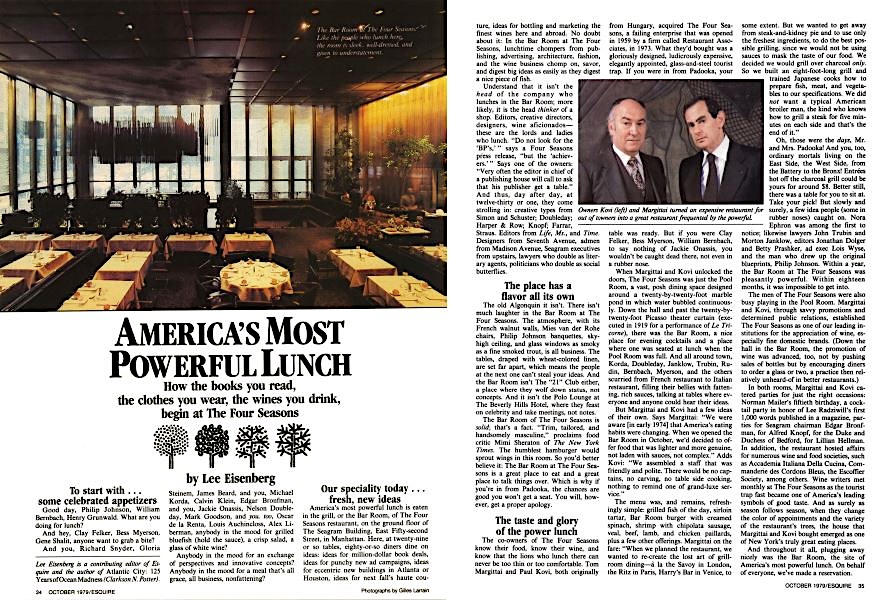 of
powerful business people who dined at The Four
Seasons restaurant in New York City. The
“power breakfast” was begun unofficially (and
not under that name) in March 1976 at the
Regency Hotel’s 540 Park Restaurant in New
York by Preston Robert Tisch, president of the
Loews Corporation, as a way for businesspeople
to fit in an early meeting before the regular
business day began.
of
powerful business people who dined at The Four
Seasons restaurant in New York City. The
“power breakfast” was begun unofficially (and
not under that name) in March 1976 at the
Regency Hotel’s 540 Park Restaurant in New
York by Preston Robert Tisch, president of the
Loews Corporation, as a way for businesspeople
to fit in an early meeting before the regular
business day began.
Today power lunches are not nearly as
much a part of doing business in most American
cities as in New York and New Orleans, not
least because sprawling cities like Los
Angeles, Houston, Miami and others are too
spread out for people to drive to a
restaurant. During the Covid epidemic the
business lunch was effectively eliminated
everywhere, and, with so many employees
working at home, has
still not returned to its former vigor.
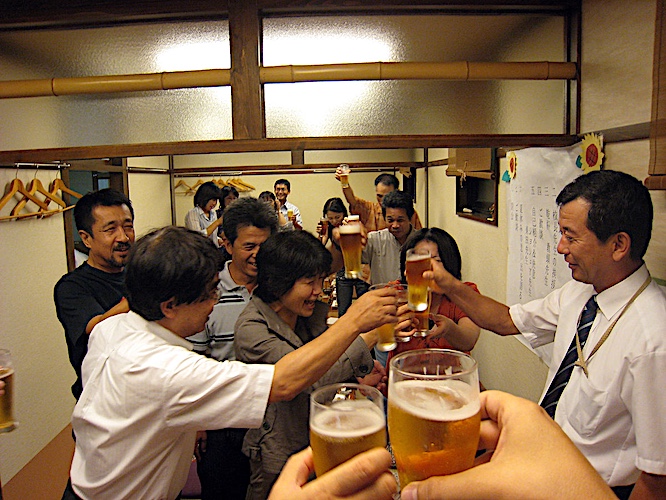 In
Europe, the business lunch still thrives in
London, Paris, Milan and Zurich, although
alcohol consumption is way down at those
meals. In Japan long, boozy dinners (left)
are still part of the expected duties of a sararīman, a
word co-opted from the English, “salary
man.”
In
Europe, the business lunch still thrives in
London, Paris, Milan and Zurich, although
alcohol consumption is way down at those
meals. In Japan long, boozy dinners (left)
are still part of the expected duties of a sararīman, a
word co-opted from the English, “salary
man.”
Alcohol at lunch has been tamped down
in New York, too, so that often now the thought of anything
more potent than iced tea or
bottled water with lemon may be considered an
indication of poor judgment
at a time when being lucid and in control is
the very definition of power dining.
Nevertheless
the business lunch is still a revered and
requisite ritual whose aim is serious and
whose social clout may hang in the balance. A
true business lunch, then, should be conducted
with some considerations in mind:
● Know
the restaurant and its management, if you’re the
one who’s picking the place and paying the bill.
Establishing a rapport with a maître d’ by
becoming a regular (and tipping him after each
meal) will ensure good, discreet service.
●
Always call personally in advance to speak to
the maître d’ and tell him exactly how you’d
like to be served, where you’d like to be
seated, and how long you want the meal to take.

●
Ask your client if there is a particular kind of
food he or she prefers––which nine out of ten
times will be either Italian or steak––and book
accordingly.
●
Quiet is crucial to serious discussion, so avoid
loud restaurants, especially those with added
piped in music.
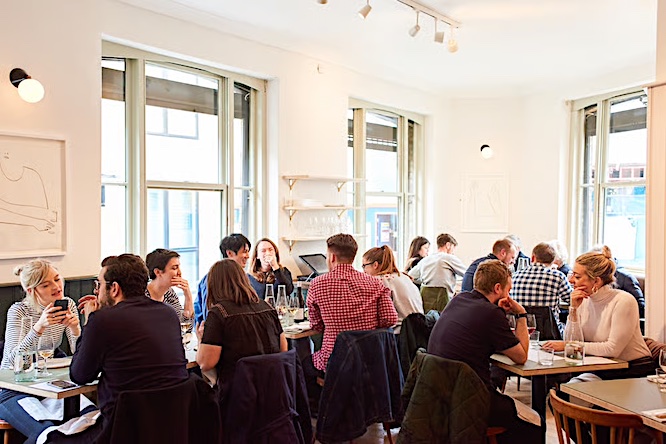
● Stay clear of places where there are mere
inches between tables, lest people overhear your
conversation.
●
Unless you’re dining with a true gastronome,
food may not be as important as atmosphere in a
restaurant. Order simply, don’t get
exotic, and never recommend anything to your
client unless he asks you to do so.
●
Arrange to have the captain or waiter offer your
guest the wine list. If he or she refuses it,
take it as a sign that he might disapprove of
drinking at a business meal.
●
Turn off your cell phone.
●
Always precede your guest by at least five
minutes, thereby giving you options to change
seating, alter requests, speak to the
management, and have the table set to your
advantage.
NEW YORK CORNER
1312
Madison Avenue at 93rd Street
646-833-7033
By
John Mariani
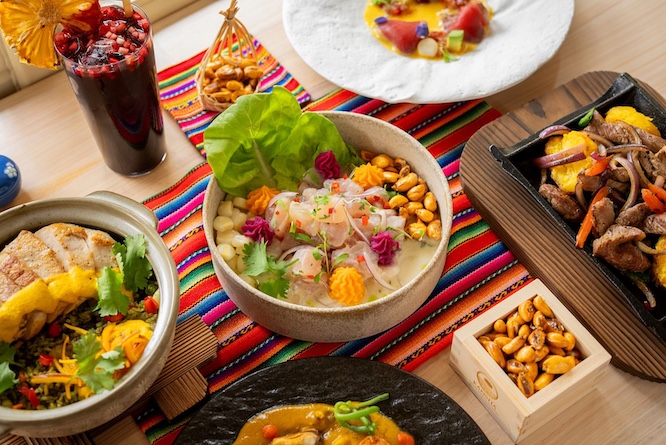
Even in Lima, where exciting Japanese-Peruvian
restaurants abound, Kansha (“gratitude”) would
be a contender. Here on New York’s upper east
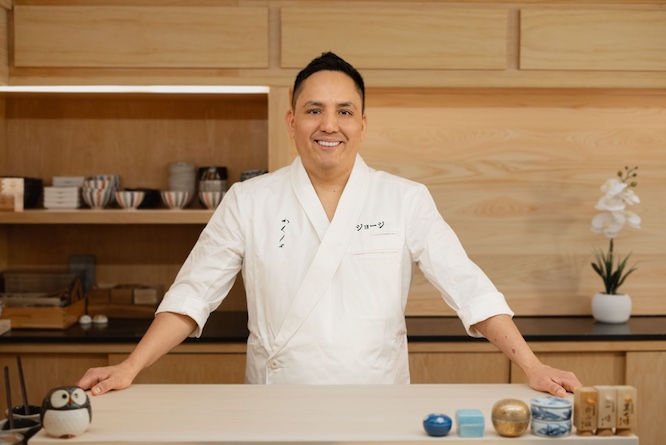
side it is a stand-out via Chef-Owner Jorge Dionicio (below),
who has worked at Morimoto, O
Ya, Akashi, Hirohisa, Azabu, and,
most recently, Sushi Noz.
 The
Peruvian
connection with Japanese food began back in the
1980s after Nobu Matsuhisa moved from his home in
Saiatama to Lima, where he developed his style of
incorporating Peruvian ingredients, not least
chile peppers, with Japanese. After moving to open
his namesake place in Beverly Hills, that style
became popular with Americans used to fusion
cooking.
The
Peruvian
connection with Japanese food began back in the
1980s after Nobu Matsuhisa moved from his home in
Saiatama to Lima, where he developed his style of
incorporating Peruvian ingredients, not least
chile peppers, with Japanese. After moving to open
his namesake place in Beverly Hills, that style
became popular with Americans used to fusion
cooking.
Dionicio is himself Peruvian and emigrated
to the
U.S. in 2002, starting his culinary career at UCHI
in Austin, Texas, then travelled to Japan to
perfect his sushi craft at the World Sushi Skills
Institute, receiving a Kuro Obi (black belt)
certification there. He then did a stage at the
renowned Cala and Maido in Lima.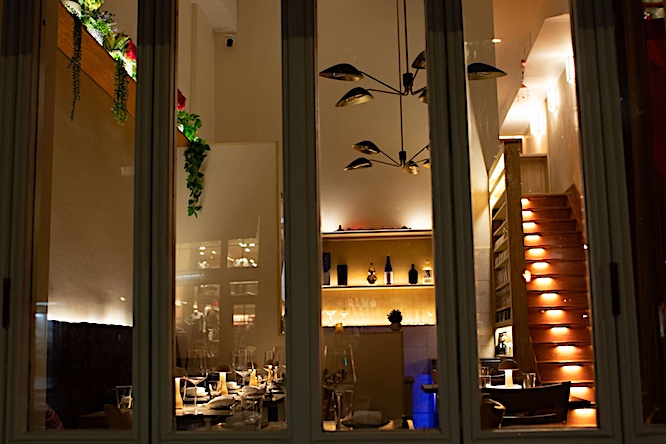
At Kansha Dionicio uses all imported
seafood from Tokyo’s Tokyo’s
Market along with Peruvian ingredients such as
white choclo corn, quinoa and aji
amarillo peppers. The one-page menu is
categorized by Cold Tasting, Nigiri, Maki,
Starters, Hot Tasting and Desserts.
Kansha is a small storefront space,
brightly lit, minimally decorated and for its size
(16 seats) not particularly loud. Upstairs is an
six-seat omakase counter made from a 100-year-old
Hinoki tree (the price of the meal is $145 here).
Downstairs our party of four just left ourselves
in Dionicio’s hands, asking for selections from
each of the menu sections, though I just had to
order pop-in-the-mouth rock shrimp to dip into
garlicky tocoto aïoli with takuan
Japanese pickle. Within the Cold Tasting category
we enjoyed a ceviche with leche de tigre,
cilantro and those fat Peruvian choclo corn
kernels.
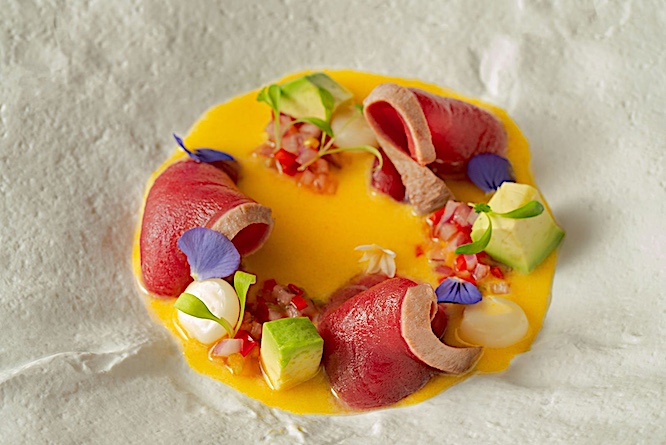 Tiradito has become something of a
classic within Peruvian-Japanese food, a sashimi
(we had blue fin tuna) with an aji amarillo
and chalaca sauce of citrus, onions,
tomato and chilies. Sleek hamachi yellowtail came
with Serrano peppers and wonderful
Tiradito has become something of a
classic within Peruvian-Japanese food, a sashimi
(we had blue fin tuna) with an aji amarillo
and chalaca sauce of citrus, onions,
tomato and chilies. Sleek hamachi yellowtail came
with Serrano peppers and wonderful 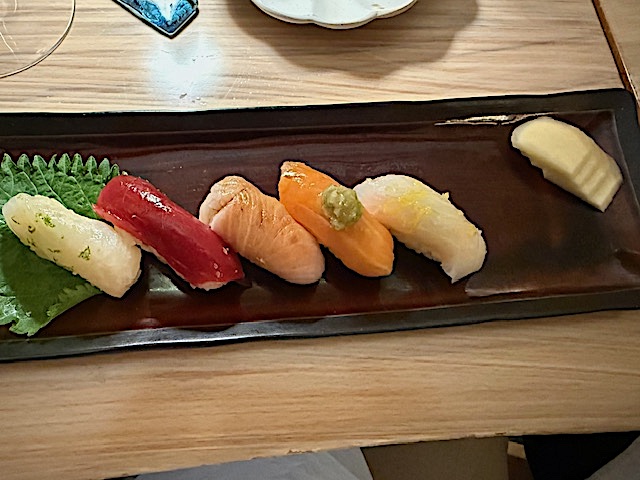 crispy
potatoes, while lustrous king salmon was dressed
with ponzu and a wasabi salsa that was
delightfully mild so as to not clash with the
delicacy of the fish.
crispy
potatoes, while lustrous king salmon was dressed
with ponzu and a wasabi salsa that was
delightfully mild so as to not clash with the
delicacy of the fish.
Our Hot Tasting item was a taco of very
tender grilled octopus, with aji, puka,
and waka Thai.
The came an array of lovely sushi, each
species distinctive from each other, 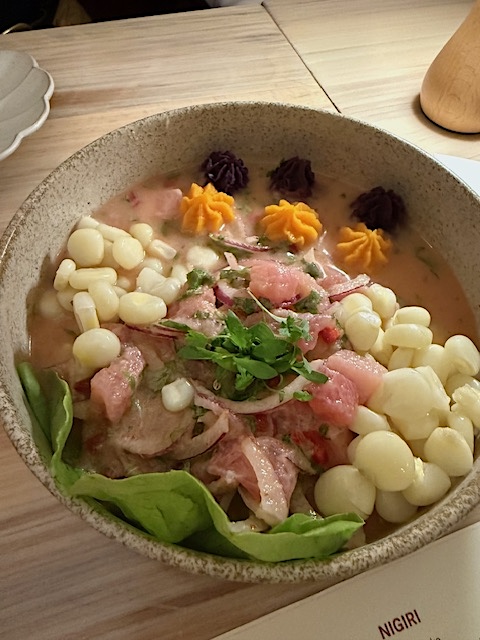 velvety, supple
and served at the right temperature. The sake
maki of salmon came with a lightly sweet
caramelized dashi wasabi salsa; bluefin
tuna maki was married to with small kyuri
Japanese cucumber and shiso; shiro
maki of madai fish was sided with avocado,
olive oil and lemon zest.
velvety, supple
and served at the right temperature. The sake
maki of salmon came with a lightly sweet
caramelized dashi wasabi salsa; bluefin
tuna maki was married to with small kyuri
Japanese cucumber and shiso; shiro
maki of madai fish was sided with avocado,
olive oil and lemon zest.
We ended our meal with a
trio of ice creams that included an interesting
sample of matcha, black sesame and lucuma
sugar. Picarones, Peruvian donuts, made
with Japanese Okinawan sweet potatoes and Kabocha.
There is a tiny cocktail
bar and the wine list, though small, works with
this kind of food.
So much at Kansha is new
but nothing is overwrought. Every ingredient
compliments each other, with the seafood as the
underlying inspiration. So, if you can’t put up
with the huge and cacophonous Nobus in New York
(or elsewhere around the world), Kansha is both a
relief and s starting point for learning about
this enticing cuisine.
Open
nightly.
HÔTEL ALLEMAGNE
By John Mariani
 Back in Paris the police had in fact
made an arrest. Borel phoned David to tell him
that one of their informants had been with a
group of Syrians under surveillance for possible
links to Al Queda. At a meeting, according to
the informant, one of the Syrians had said that
“the event had gone well,” without specifying
the event. Then one of them said, “Yes, but it
is too bad they did not all die. None of them
died.”
Back in Paris the police had in fact
made an arrest. Borel phoned David to tell him
that one of their informants had been with a
group of Syrians under surveillance for possible
links to Al Queda. At a meeting, according to
the informant, one of the Syrians had said that
“the event had gone well,” without specifying
the event. Then one of them said, “Yes, but it
is too bad they did not all die. None of them
died.”
Le Quartier de Panier
Clearly it was a reference to the hotel
crime, and it gave the Sûreté a focus for checking
out where those Syrians had been on the night of
the infestation. Of the six men in the room, one
was the informant, the rest living in two
apartments in the suburb of Montreuil. Borel’s men
checked out their names, when they entered France
and which of them might have checked into any of
the three hotels that night. The information came
back quickly: One of the men had entered France
three weeks before from Syria, stopping on the way
in Tehran. He checked into the Hôtel Prince de
Carignon at five in the evening with a Syrian
passport under the name Saad Salah, 26.
The employee at the front desk said there
was nothing unusual about Salah: He was casually
but neatly dressed, spoke French, asked for a room
on a higher floor and where he might find a good
bistro nearby. He then retired with his one piece
of luggage, and four hours later he left, saying
he was going to one of the bistros the desk had
recommended. The man at the desk said he couldn’t
be sure if he came back while he was on duty nor
did the next man on duty notice Salah return.
The police checked out the bistros the desk
had recommended—they had Salah’s passport photo to
show around—but
none of the proprietors or staff had any
recollection of seeing him. Further checks of bars
in the immediate neighborhood turned up nothing
more.
With only that information to go on, the
police raided the two apartments where the Syrians
lived and found Salah sitting watching Arab TV.
When he saw the police with guns drawn, Salah
grabbed a pistol from the table but the
police were already upon him and wrenched his
wrist to take the gun out of his hand. He and his
roommate were arrested and taken to headquarters
in handcuffs. Salah’s possessing a firearm was
more than enough to hold him on.
David’s response to the news was, of
course, elated, then he realized that unless
Marciano was not involved in the Hôtel de
la Reine crime, all three hotels might have been
attacked by three different Syrians from that
cell. And if Marciano was involved, then
whoever set up the operation had most likely hired
three different people to hit three different
hotels and probably did not know of the others’
existence.
“This would be a lot easier if all the
perpetrators came from Marseilles,” he said to
Katie.
“And what fun would that be?” said Katie.
“Anyway, with one of those guys locked up, we can
just concentrate on Marciano down here.”
David had spoken with
Iacovino and told him about their meeting with
Marciano. The French detective said, “That was
probably not a good thing to do, Monsieur. If this
Marciano suspects you are investigating him, it
could become dangerous for you. Guys like Marciano
know how to handle the local police when they pay
a visit. Mostly they just say nothing and keep
quiet. You may have tricked Marciano into a lie
about his whereabouts in Paris, but now he’s going
to find out more about you than you know about
him. I really think it would be wiser if you left
Marseilles and returned to Paris or the United
States.”
“Detective Iacovino,” said David, “this
isn’t the first time a criminal has tried to come
after me.”
“No, but before, you were a cop, oui?
They don’t go after cops. But you are not a cop
anymore, so they have no fear of your colleagues
coming down on them and their gang.”
Katie was trying not to show her deep
concern that this might lead to yet another
attempt on their lives. For despite her toughness
as a seasoned investigative reporter, she didn’t
think any story was worth risking her life for,
unless she was imbedded in a war zone. That was
not the case here in Marseilles, and she didn’t
want to end up, as the saying goes, “sleeping with
the fishes.” That almost happened on two other
occasions.
They had dinner that evening on the
waterfront under an April moon, and, since the
tourist season had not yet gotten underway, it was
fairly quiet so that they could listen to the
sound of the sea lapping onto the quays. All the
wicked things going on in the world seemed very
far away.
The next morning, they heard nothing from
Iacovino or Borel, though La Provence de
Marseilles newspaper carried a brief story
on
the Syrians being arrested on suspicion of
committing the attack on the Prince de Carignon. (CNN
International had nothing.) Katie read the
Marseilles paper’s story to David, which said that
efforts were ongoing to find the culprits for all
the hotel attacks and that the virus had, in fact,
been traced to a Russian laboratory from which it
may have been stolen. The laboratory itself had no
comment.
Katie and David were pondering their next
move, not seeing much chance they could find
further evidence that Marciano was involved, when
David’s phone rang. It was Marciano.
“Are you still interested in renting a car,
Monsieur?”
David looked at Katie and turned the phone
on speaker..jpg)
“Yes, very much so. You have one?”
“Oui, I think I have one you will
like for your trip to Paris. Very fast car.”
“Sounds good. When can we get it?”
“Why don’t you come by my shop this evening
around seven, take a look and if you like it, you
can have it tomorrow morning.”
David said that sounded fine, and the
conversation ended.
“Still no mention of price,” he said. “And
what do we do if he really has a car for us? I
suspect it’s going to be way out of our price
league.”
“I guess we can always turn it down,” said
Katie, “Say we decided to take the train.”
“Which
should make him all the more suspicious after we
went in their spouting about wanting a big luxury
car.”
“Guess we’ll just have to play it by ear
when we get there.”
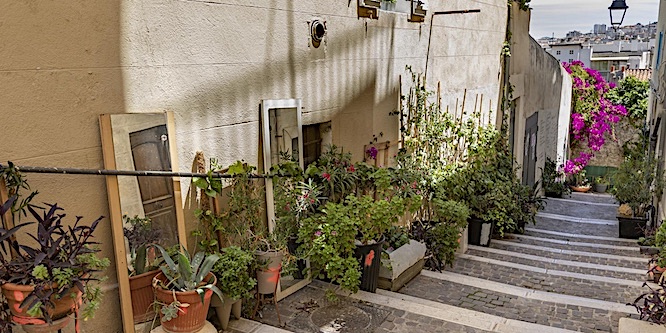
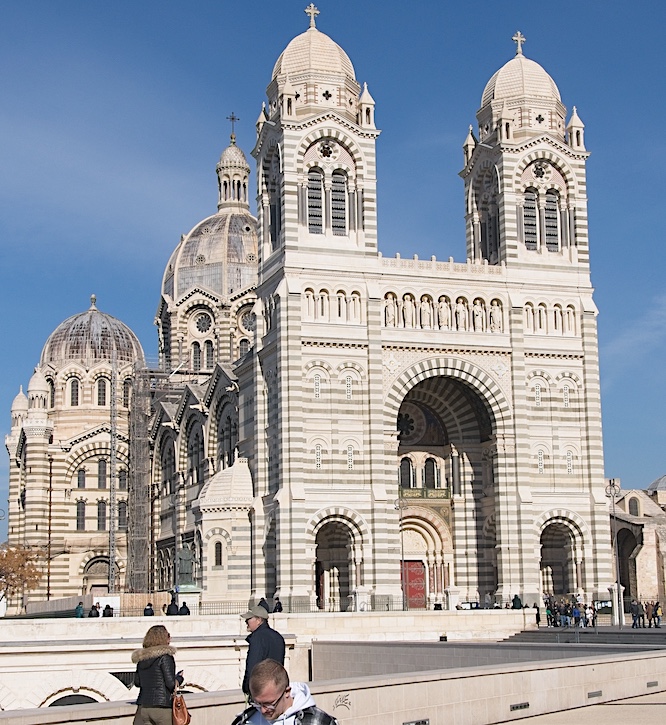
The two Americans spent the day sightseeing
in Marseilles, strolling the back streets of Le
Panier, the city’s oldest quarter, where the
Museum of Natural History (above) was
located, and trekking up the hill to the Cathedral
of Notre Dame. After lunch, they relaxed in their
hotel, watching the clock. Katie called Catherine
in Paris.
 “How
are the fashion shows?”
“How
are the fashion shows?”
“The first couple of days are for the
lesser and up-and-coming designers, so there’s a
lot of very experimental stuff, trying to make a
splash, but I haven’t seen anything yet of real
interest. I did a short spot on the opening, with
a bunch of dignitaries drinking D.P. CNN loves
that stuff when they have nothing better to show.”
“Anything new on the hotel case?”
“Just what I read in the paper and heard on
French TV. The officials all say they are
‘hopeful’ that more arrests will be made soon.
How’s it going with you two?”
“Well, we located this guy
Marciano, and I’m afraid we tipped our hand and
he’s suspicious of us. He lied to us about staying
in the hotel in Paris. Said he couldn’t afford
such places.”
“Yeah, well, somebody paid for him to stay
there. The rooms start at about 400 euros. The one
he stayed in, I found out, cost more like 600. Not
too many auto mechanics can afford
that.”
Katie said that she had to hang up because
she and David were headed over to Marciano’s shop.
“Wish us luck,” she said.
“Wish I was with you. I love Marseilles.”
David, who had left a message with Iacovino
about the upcoming meeting, was pointing at his
watch, so Katie grabbed a sweater and the two of
them set off for Marciano’s garage. It was after
hours, so the place was mostly dark, with a light
on in the
office. David knocked and after a few moments,
Marciano emerged from the office and opened the
door.
“Go around the back,” he said, “the car is
in the rear garage.”
Katie and David did as
they were told, finding a garage door open on a
street just wide enough for a car to enter and
exit. It
was still twilight, with no lights on inside. The
garage had no cars inside. Marciano was already
there.
© John Mariani, 2024
❖❖❖
NEW WINES OF PORTUGAL
By John Mariani
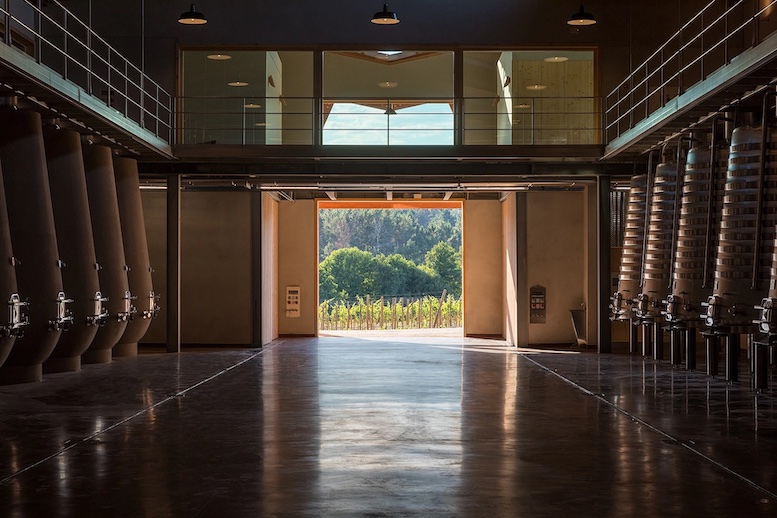
Before
Portugal’s
entry into the EU in 1986, its wine industry had
been lagging, not so much for Port but for table
wines. As Larousse Wine points out, “an
extraordinary energy has been driving many of its
producers – from large historic houses, which have
always played a leading role–– to cooperatives,
often fully modernized, to private domains
(quintas), which have multiplied since the 1990s.”
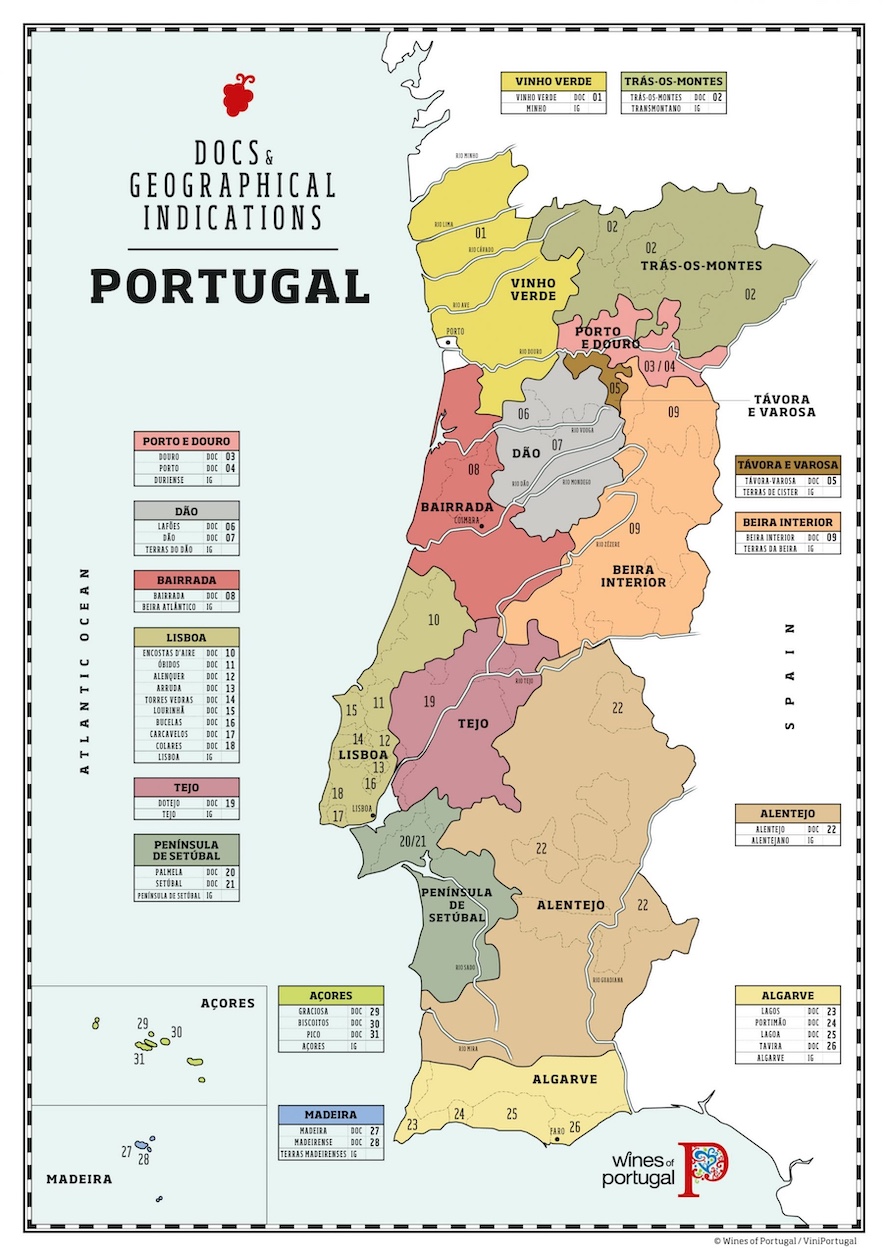 Spurred by the progress and global
recognition of Spanish wines, the producers of
Portugal, particularly those of Alentejo, adapted
the most modern technology and began replanting old
vineyards tethered to traditions that had become
dated.
Spurred by the progress and global
recognition of Spanish wines, the producers of
Portugal, particularly those of Alentejo, adapted
the most modern technology and began replanting old
vineyards tethered to traditions that had become
dated.
American
consumers
have long enjoyed the lightly sparkling Vinho Verdes
and some of the Dãos, but there are now excellent
examples of wines from the Touriga Nacional (which
originated from Dão) to Tinta
Roriz and Castelăo red grapes to the Alvarinho and
Loueiro white.
At this point things may be a bit confusing for the
consumer owing to the wide variety of styles these
grapes are made in.
The
Portuguese
themselves drink up most of their wines––58 liters
per person or 600 million liters total, the highest
amount in the world, though, as elsewhere in Europe,
consumption is declining. The U.S.
is, after France, Portugal’s second largest export
market at more than $100 million (including Port).
Part
of the appeal is that Portuguese wines are
remarkably cheap compared to Spanish, French and
Italian bottlings, and there has been talk that
over-production may hurt the industry in the future.
But for now Portugal is very happy both in sales and
in the recognition that, finally, their table wines
are among the best Europe has to offer. Here are
some I enjoy right now.
TABOADELLA
RESERVA
ENCRUZADO ($35). Encruzado (also called
Salgueirinho) is a white grape from the 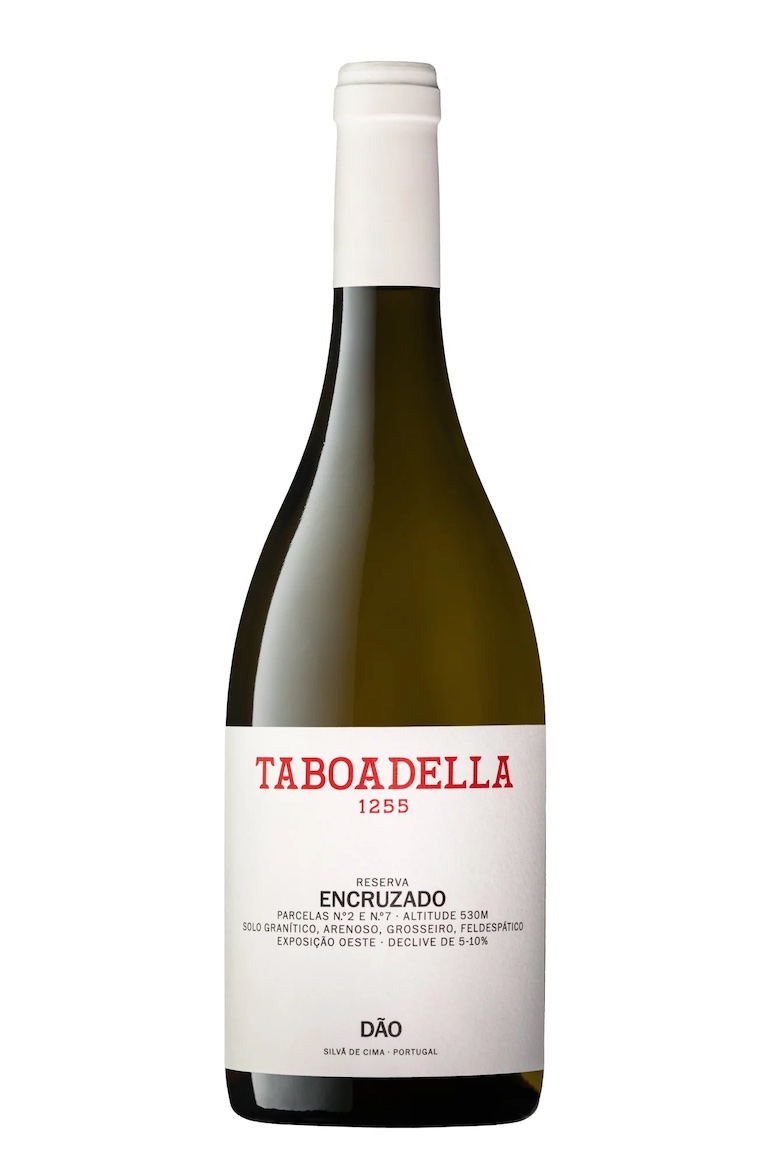 Dão grown in granite soil known for
as a blending grape and for its ability to age well.
Taboadella’s owner, Luisa Amorim, whose family is
known for its wine corks since 1870, has since 1999
become one of the few vintners to focus on the
varietal, which has a refreshing acidity, and the
2023 vintage resulted in well-ripened grapes. It is
delightful with shellfish.
Dão grown in granite soil known for
as a blending grape and for its ability to age well.
Taboadella’s owner, Luisa Amorim, whose family is
known for its wine corks since 1870, has since 1999
become one of the few vintners to focus on the
varietal, which has a refreshing acidity, and the
2023 vintage resulted in well-ripened grapes. It is
delightful with shellfish.
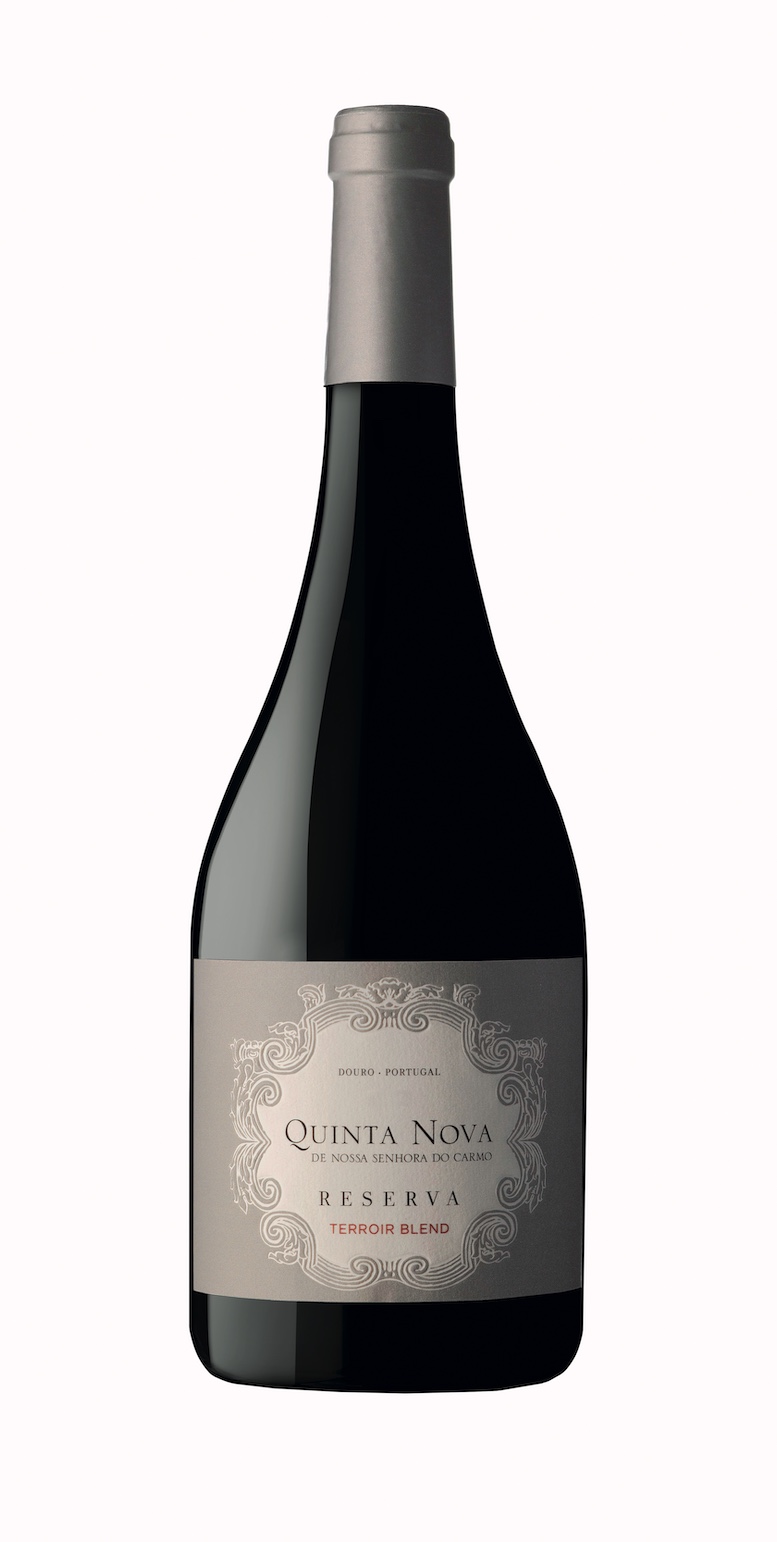 QUINTA NOVA DOURO RESERVA 2023
($36.25). Another wine made by Luisa Amorim, this is
a blend of Touriga
Franca (35%), Touriga Nacional (35%), Tinta
Roriz(15%) and Tinto Cão (15%) grown in
the Cima Corgo area. Hand harvested, the grapes
undergo fermentation and then age 77% in French oak
barrels for 9 months and 23% in cement tanks. The
estate was owned by the Portuguese royal family
until 1725. It is a big bold wine
but just 14% alcohol and ideal with barbecued meats,
reflecting Dão Valley traditions with modern tech to
make a more refined example.
QUINTA NOVA DOURO RESERVA 2023
($36.25). Another wine made by Luisa Amorim, this is
a blend of Touriga
Franca (35%), Touriga Nacional (35%), Tinta
Roriz(15%) and Tinto Cão (15%) grown in
the Cima Corgo area. Hand harvested, the grapes
undergo fermentation and then age 77% in French oak
barrels for 9 months and 23% in cement tanks. The
estate was owned by the Portuguese royal family
until 1725. It is a big bold wine
but just 14% alcohol and ideal with barbecued meats,
reflecting Dão Valley traditions with modern tech to
make a more refined example.
QUINTA
DA
FONTE SOUTO FLORÃO 2024 ($23) and RED ($23) are
products 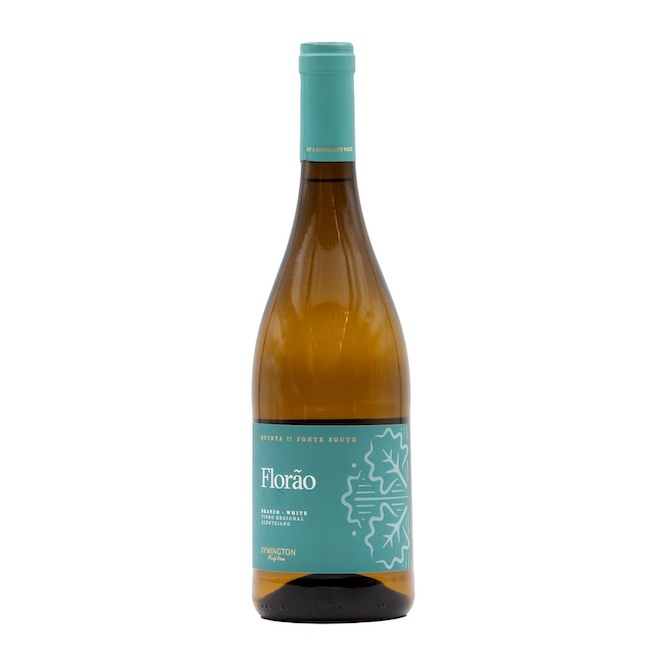 of the Symington Family Estates from
the Alto Alentejo region’s Souto terroir (souto
means “chestnut grove”). This is their first estate
outside of the Douro. The white is a blend of Arinto
and Verdelho blend aged in stainless steel and it is
bright, clean and tangy on the palate. The red is a
complex blend of Alfrocheiro, Aragonez, Alicante
Bouschet, Touriga Nacional and other Portuguese
varieties, aged for six months in seasoned French
oak, and all those varietals mesh into a lovely,
medium-bodied red wine with a little oak resonance,
so it goes well with lamb and pork. It’s also a
terrific price.
of the Symington Family Estates from
the Alto Alentejo region’s Souto terroir (souto
means “chestnut grove”). This is their first estate
outside of the Douro. The white is a blend of Arinto
and Verdelho blend aged in stainless steel and it is
bright, clean and tangy on the palate. The red is a
complex blend of Alfrocheiro, Aragonez, Alicante
Bouschet, Touriga Nacional and other Portuguese
varieties, aged for six months in seasoned French
oak, and all those varietals mesh into a lovely,
medium-bodied red wine with a little oak resonance,
so it goes well with lamb and pork. It’s also a
terrific price.
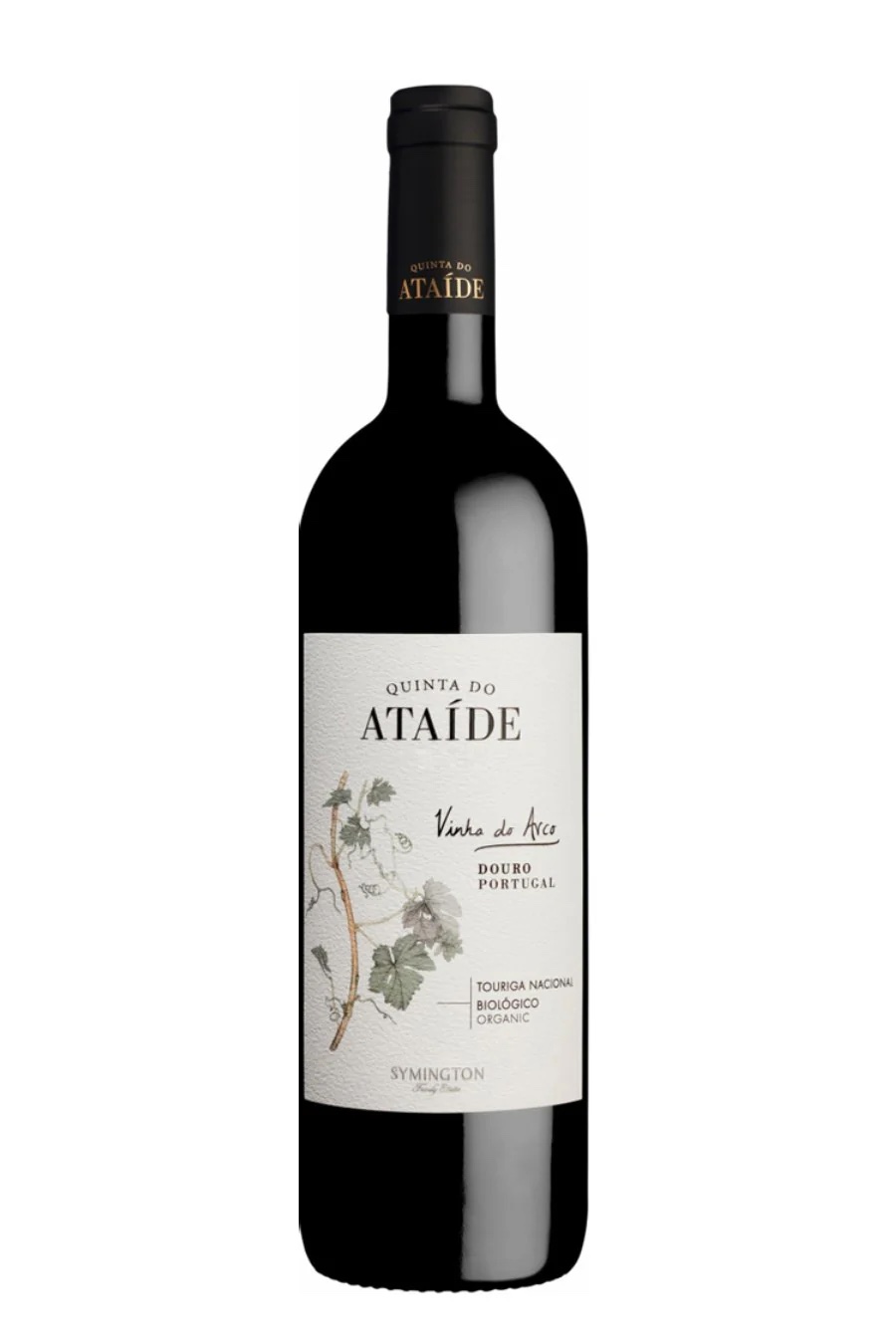
QUINTA DO ALTAÍDE DOURO RED 2017 ($26). This is one
of Symington Estates wines from property in the
Douro Superior, Ataíde in the Vilariça Valley
that are uncharacteristically steeply terraced
slopes that enjoy very cold winters and low
rainfall, so the grapes have to struggle, especially
in 2017. The grapes are
not pumped but only crushed, then go through a
maceration of pumping over. Winemakers Charles
Symington and Pedro Correia blended organically
farmed Quinta do Ataíde, Vilariça
Valley, 49% Touriga Franca, 48%
Touriga Nacional and 3% Alicante Bouschet. There are
some vegetal notes but a good deal of ripe fruit
and, by now, subdued tannins, bottled in 2019. It is
14.5% alcohol.
❖❖❖
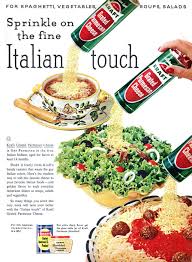
THINGS THAT NEVER CROSSED OUR MIND
"12
Red Flags That Will Have You Running From An
Italian Restaurant"
● Signs of Uncleanliness
● They Offer Non-Italian Food
● Powdered Cheese from a container
● Jarred sauces
By Sophie Morelli , FOOD REPUBLIC (June 15, 2025).
Any of John Mariani's books below may be ordered from amazon.com.
 The Hound in Heaven
(21st Century Lion Books) is a novella, and
for anyone who loves dogs, Christmas, romance,
inspiration, even the supernatural, I hope you'll find
this to be a treasured favorite. The story
concerns how, after a New England teacher, his wife and
their two daughters adopt a stray puppy found in their
barn in northern Maine, their lives seem full of promise.
But when tragedy strikes, their wonderful dog Lazarus and
the spirit of Christmas are the only things that may bring
his master back from the edge of despair.
The Hound in Heaven
(21st Century Lion Books) is a novella, and
for anyone who loves dogs, Christmas, romance,
inspiration, even the supernatural, I hope you'll find
this to be a treasured favorite. The story
concerns how, after a New England teacher, his wife and
their two daughters adopt a stray puppy found in their
barn in northern Maine, their lives seem full of promise.
But when tragedy strikes, their wonderful dog Lazarus and
the spirit of Christmas are the only things that may bring
his master back from the edge of despair. WATCH THE VIDEO!
“What a huge surprise turn this story took! I was completely stunned! I truly enjoyed this book and its message.” – Actress Ali MacGraw
“He had me at Page One. The amount of heart, human insight, soul searching, and deft literary strength that John Mariani pours into this airtight novella is vertigo-inducing. Perhaps ‘wow’ would be the best comment.” – James Dalessandro, author of Bohemian Heart and 1906.
“John Mariani’s Hound in Heaven starts with a well-painted portrayal of an American family, along with the requisite dog. A surprise event flips the action of the novel and captures us for a voyage leading to a hopeful and heart-warming message. A page turning, one sitting read, it’s the perfect antidote for the winter and promotion of holiday celebration.” – Ann Pearlman, author of The Christmas Cookie Club and A Gift for my Sister.
“John Mariani’s concise, achingly beautiful novella pulls a literary rabbit out of a hat – a mash-up of the cosmic and the intimate, the tragic and the heart-warming – a Christmas tale for all ages, and all faiths. Read it to your children, read it to yourself… but read it. Early and often. Highly recommended.” – Jay Bonansinga, New York Times bestselling author of Pinkerton’s War, The Sinking of The Eastland, and The Walking Dead: The Road To Woodbury.
“Amazing things happen when you open your heart to an animal. The Hound in Heaven delivers a powerful story of healing that is forged in the spiritual relationship between a man and his best friend. The book brings a message of hope that can enrich our images of family, love, and loss.” – Dr. Barbara Royal, author of The Royal Treatment.
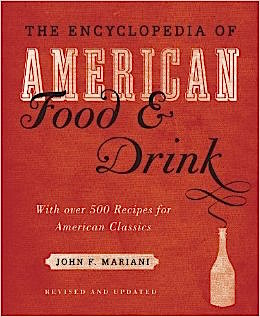 |
The Encyclopedia of American Food and Drink by John F. Mariani (Bloomsbury USA, $35) Modesty forbids me to praise my own new book, but let me proudly say that it is an extensive revision of the 4th edition that appeared more than a decade ago, before locavores, molecular cuisine, modernist cuisine, the Food Network and so much more, now included. Word origins have been completely updated, as have per capita consumption and production stats. Most important, for the first time since publication in the 1980s, the book includes more than 100 biographies of Americans who have changed the way we cook, eat and drink -- from Fannie Farmer and Julia Child to Robert Mondavi and Thomas Keller. "This book is amazing! It has entries for everything from `abalone' to `zwieback,' plus more than 500 recipes for classic American dishes and drinks."--Devra First, The Boston Globe. "Much needed in any kitchen library."--Bon Appetit. |
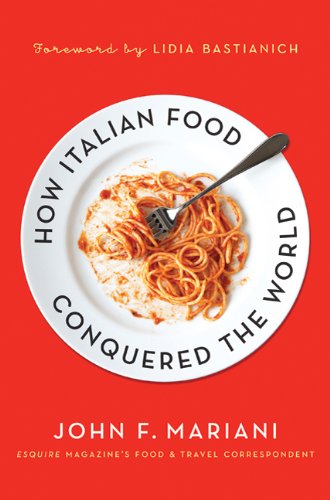
"Eating Italian will never be the same after reading John Mariani's entertaining and savory gastronomical history of the cuisine of Italy and how it won over appetites worldwide. . . . This book is such a tasteful narrative that it will literally make you hungry for Italian food and arouse your appetite for gastronomical history."--Don Oldenburg, USA Today. "Italian
restaurants--some good, some glitzy--far
outnumber their French rivals. Many of
these establishments are zestfully described
in How Italian Food Conquered the World, an
entertaining and fact-filled chronicle by
food-and-wine correspondent John F.
Mariani."--Aram Bakshian Jr., Wall Street
Journal.
"Equal parts
history, sociology, gastronomy, and just
plain fun, How Italian Food Conquered the
World tells the captivating and delicious
story of the (let's face it) everybody's
favorite cuisine with clarity, verve and
more than one surprise."--Colman Andrews,
editorial director of The Daily
Meal.com. "A fantastic and fascinating
read, covering everything from the influence
of Venice's spice trade to the impact of
Italian immigrants in America and the
evolution of alta cucina. This book will
serve as a terrific resource to anyone
interested in the real story of Italian
food."--Mary Ann Esposito, host of PBS-TV's
Ciao
Italia. "John Mariani has written the
definitive history of how Italians won their
way into our hearts, minds, and
stomachs. It's a story of pleasure over
pomp and taste over technique."--Danny Meyer,
owner of NYC restaurants Union Square
Cafe, The Modern, and Maialino.
|
 |
 |
 |
 |
 |
 |
MARIANI'S VIRTUAL GOURMET
NEWSLETTER is published weekly. Publisher: John Mariani. Editor: Walter Bagley. Contributing Writers: Christopher
Mariani, Misha Mariani, John A. Curtas, Gerry Dawes, Geoff Kalish.
Contributing
Photographer: Galina Dargery. Technical
Advisor: Gerry
McLoughlin.
If you wish to subscribe to this
newsletter, please click here: http://www.johnmariani.com/subscribe/index.html
© copyright John Mariani 2025