MARIANI’S
VIRTUAL GOURMET
April 19, 2026
NEWSLETTER
Founded in 1996
ARCHIVE
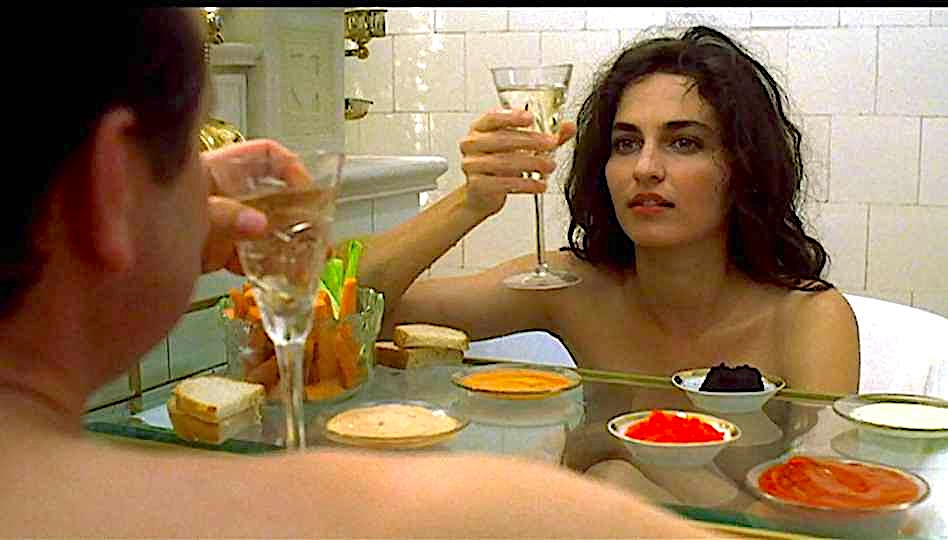
Erika Marozsan in "Gloomy Sunday" (1999)
WHAT'S IN A CREOLE NAME?
By John Mariani
NEW YORK CORNER
BENJAMIN'S STEAKHOUSE IN WHITE PLAINS
By John Mariani
THE BISON
CHAPTER EIGHTEEN
By John Mariani
NOTES FROM THE WINE CELLAR
DO YOU REALLY NEED A
CUSTOM-DESIGNED WINE CELLAR?
By John Mariani
WHAT’S IN A CREOLE NAME?
Most Americans are
familiar enough with the oddities of foods
with names like hot dogs (which should contain
no dog), hamburgers (which contain no ham) and
may well wonder how Caesar salad, the Reuben
sandwich, and Buffalo chicken wings got their
names. But
nowhere is the nomenclature of indigenous food
more puzzling than in New Orleans, where a mix
of local dialects and influences from French,
African, Italian, Spanish, and Indian
languages have coalesced into a patois that
takes a long time to get to understand, unless
you’ve grown up within the sound of the bells
of St. Louis in Jackson Square.
So if you go to N’awlins (the local
pronunciation) you’d better go with this
little dictionary of terms, so that when
someone offers you some “mud bugs and dirty
rice,” you don’t make a face.
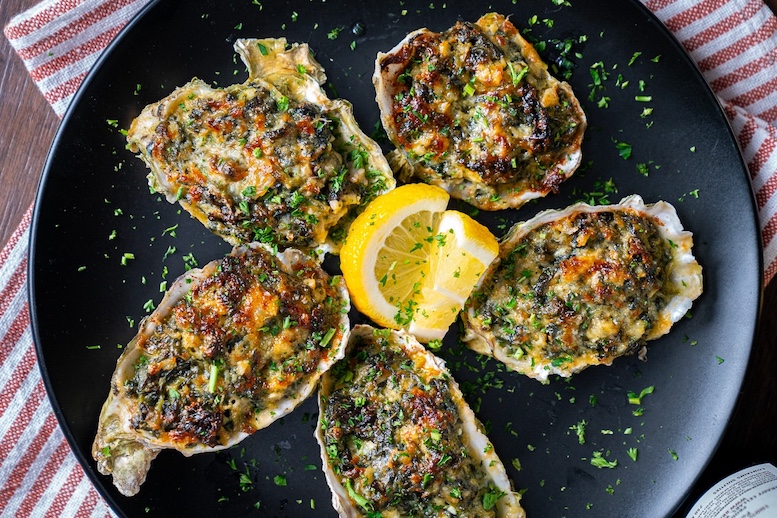
Oysters
Rockefeller (above)—These
luscious bivalves cooked with watercress,
scallions, celery, anise, cream and other
seasonings were created in 1899 at Antoine's,
one of the oldest restaurants in America
(opened in 1840). The dish was so called
because the mixture of oysters was so lavishly
rich that proprietor Jules Alciatore named the
dish after the richest man in the world at
that time, John D. Rockefeller (who never ate
at Antoine's). The recipe is still a secret,
though mimicked all over town, so Antoine's is
still the only one to make the one true
version of this dish.
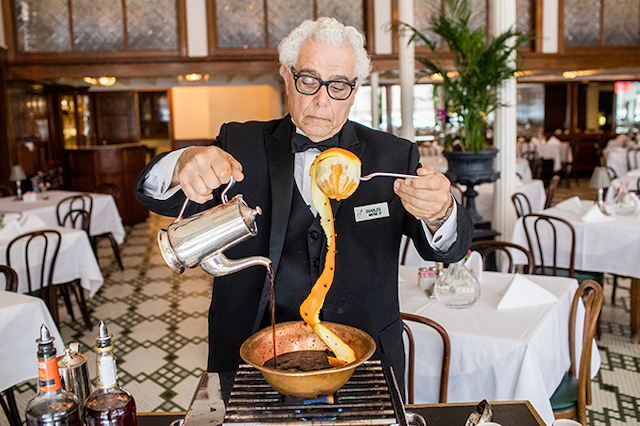 Café
Brûlot—French
for “burnt brandy coffee.” Chicory
coffee, used since the Civil War when coffee
was unavailable, with citrus rind, cinnamon
and a good shot of brandy has been enjoyed in
the city since the 19th century, when special
flame-proof café brûlot "bowls" were in every
dining room, Today the dramatic flaming of the
beverage is still part of the ritual that
accompanies this coffee service at many
restaurants around town, best appreciated on
the patio at Commander’s Palace on Sunday with
brunch and New Orleans jazz.
Café
Brûlot—French
for “burnt brandy coffee.” Chicory
coffee, used since the Civil War when coffee
was unavailable, with citrus rind, cinnamon
and a good shot of brandy has been enjoyed in
the city since the 19th century, when special
flame-proof café brûlot "bowls" were in every
dining room, Today the dramatic flaming of the
beverage is still part of the ritual that
accompanies this coffee service at many
restaurants around town, best appreciated on
the patio at Commander’s Palace on Sunday with
brunch and New Orleans jazz.
Bananas
Foster--an
outlandishly extravagant dessert of sautéed
bananas with butter, brown 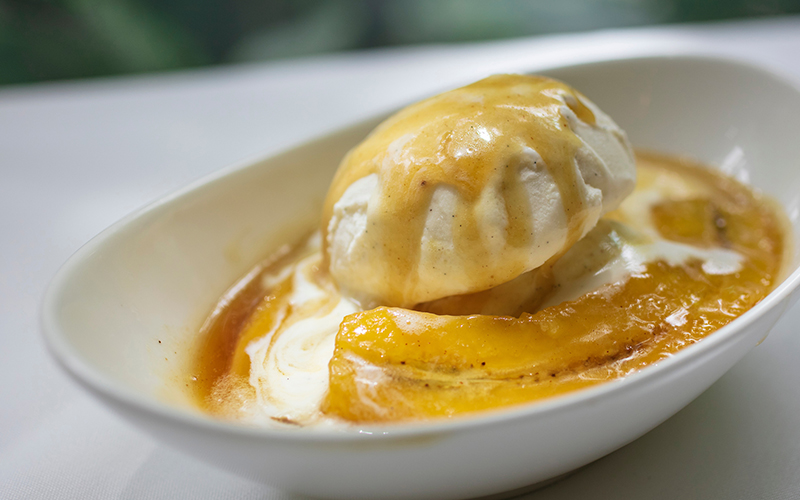 sugar,
rum and banana liqueur was created in the
1950s at Brennan's by then-chef Paul Blange as
part of the famous "Breakfast at Brennan's,"
and named after Richard Foster, the owner of
an awning company who also happened to be a
very, very good customer at the restaurant.
sugar,
rum and banana liqueur was created in the
1950s at Brennan's by then-chef Paul Blange as
part of the famous "Breakfast at Brennan's,"
and named after Richard Foster, the owner of
an awning company who also happened to be a
very, very good customer at the restaurant.
Panéed—A
French-Creole term for the technique of pan
frying meat or seafood that has been breaded
or otherwise coated; it is not deep-frying,
and the oil must be just hot enough to
set the crust on the food.
Mudbugs—A
local colloquialism for crawfish, which is
itself a local pronunciation for crayfish. Since
these crustaceans inhabit muddy waters they’ve
received the name with arch affection. They’re
also called creekcrabs, yabbies, and cheval du
diable (French for “devil’s horse”). Crawfish
étouffée refers to the French word for
braising, and in New Orleans refers to a
gently cooked food--in this case, fat,
luscious crawfish set over steaming rice.
 Hurricane—A
cocktail with little repute outside of New
Orleans, but when you're in the Quarter, one
must make the pilgrimage to Pat O'Brien's,
where this cocktail of rum, passion fruit
flavoring and sour mix served in a tall
"hurricane glass" (tall and shaped like a
hurricane lamp) was created. You'll find
people coming out of this saloon with a
souvenir glass, and others going in to try
O'Brien's other climatically named libations
like the cyclone, the breeze and the cyclone.
Hurricane—A
cocktail with little repute outside of New
Orleans, but when you're in the Quarter, one
must make the pilgrimage to Pat O'Brien's,
where this cocktail of rum, passion fruit
flavoring and sour mix served in a tall
"hurricane glass" (tall and shaped like a
hurricane lamp) was created. You'll find
people coming out of this saloon with a
souvenir glass, and others going in to try
O'Brien's other climatically named libations
like the cyclone, the breeze and the cyclone.
Calas.
These yummy little breakfast rice cakes mixed
with sugar then deep fried and served with
honey take their names from an African word
for “fried cake.” They were once hawked on the
streets of New Orleans' French Quarter by
vendors who sang out in Creole French, "Belles
calas tout chauds!"—“beautiful, hot
calas!” Today they are rarely made except at
the Coffee, where they're served daily with
cane sugar syrup and chicory coffee.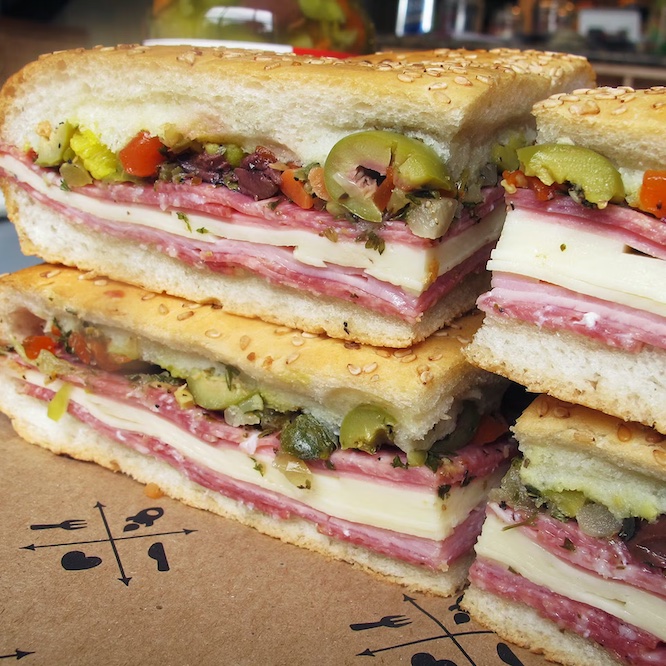
Muffuletta—A
Creole version of the hero sandwich, only
here the bread is round and about the size of
a deflated basketball, stuffed with Genoa and
mortadella salami and cheeses and then dressed
with pickled olives. It
is said to have originated at the Central
Grocery Co. on Decatur Street, where Salvatore
Lupo came up with the idea back in 1906 and
gave it the name of a similar sandwich made in
his native Sicily. Take one home on the plane
and make the other passengers envious.
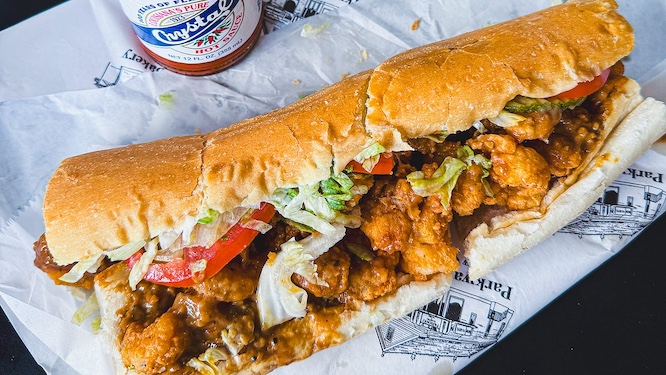 Po' boy. This
is another style of hero sandwich,
made with a long French loaf sliced sideways
and filled with anything from cheese and
lettuce to fried oysters (this last makes the
sandwich a mediatrice--a "mediator" given to a
wife by an errant husband who stayed out too
late). The
name comes from its association for
out-of-work streetcar strikers in 1906 who
were fed the sandwich by Clovis Martin of
Martin Brothers Grocery (now gone).The
lovingly named Mother's is famous for its po'
boys, especially its "ferdi," stuffed with
roast beef and "debris"(pronounced
“DAY-bree”)--the shards of crisp meat that
falls off the roast.
Po' boy. This
is another style of hero sandwich,
made with a long French loaf sliced sideways
and filled with anything from cheese and
lettuce to fried oysters (this last makes the
sandwich a mediatrice--a "mediator" given to a
wife by an errant husband who stayed out too
late). The
name comes from its association for
out-of-work streetcar strikers in 1906 who
were fed the sandwich by Clovis Martin of
Martin Brothers Grocery (now gone).The
lovingly named Mother's is famous for its po'
boys, especially its "ferdi," stuffed with
roast beef and "debris"(pronounced
“DAY-bree”)--the shards of crisp meat that
falls off the roast.
Beignets--These
light, fluffy Creole French fritters (the name
means “pillows”) are wholly addictive, despite
the inevitable risk of showering of their
powdered sugar topping all over your clothes.
It is sacrosanct tradition to eat them--at any
time of day or night--at the Cafe du Monde
with a cup of their strong chicory coffee,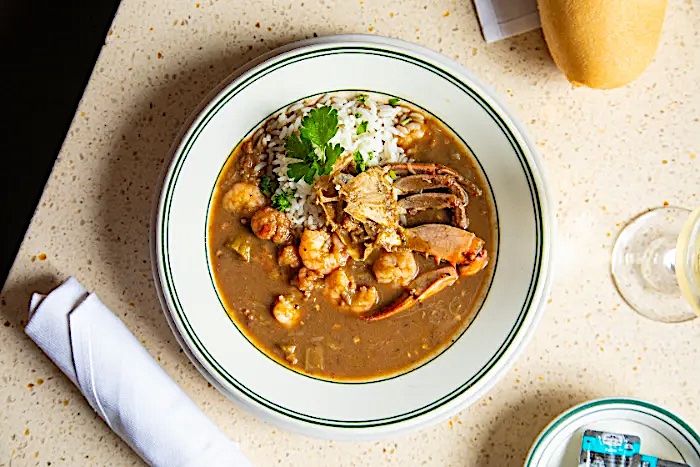 a package
of which almost everyone takes home after
tasting this rich brew.
a package
of which almost everyone takes home after
tasting this rich brew.
Gumbo--The
very sound of the word "Gumbo" makes you think
of its African origins, and the word is Bantu
for okra, a common ingredient in this cross
between a soup and a stew. You can get
terrific gumbos made with crawfish, shrimp,
sausage and vegetables all over town, but why
take a chance? Head straight for the Gumbo
Shop, which does more kinds better than anyone
else and has a lovely antiquarian charm that
makes this a favorite spot to dine casually.
Shrimp
rémoulade--Basically
this is just boiled shrimp with a spicy
mayonnaise and mustard dressing that in New
Orleans often acquires the addition of
hard-boiled eggs and parsley. It is one of the
many traditional dishes found at Galatoire's,
where it is served cold.
Pain
perdu—This
is French for “lost bread,” referring to a way
to use stale bread by making it into either
French toast or a bread pudding of amazing
richness and lots of caramel. My
favorites are the traditional homestyle
version made at Mother's and the white
chocolate bread pudding at the Palace Café for
which I'd walk the length of a streetcar line
in July.
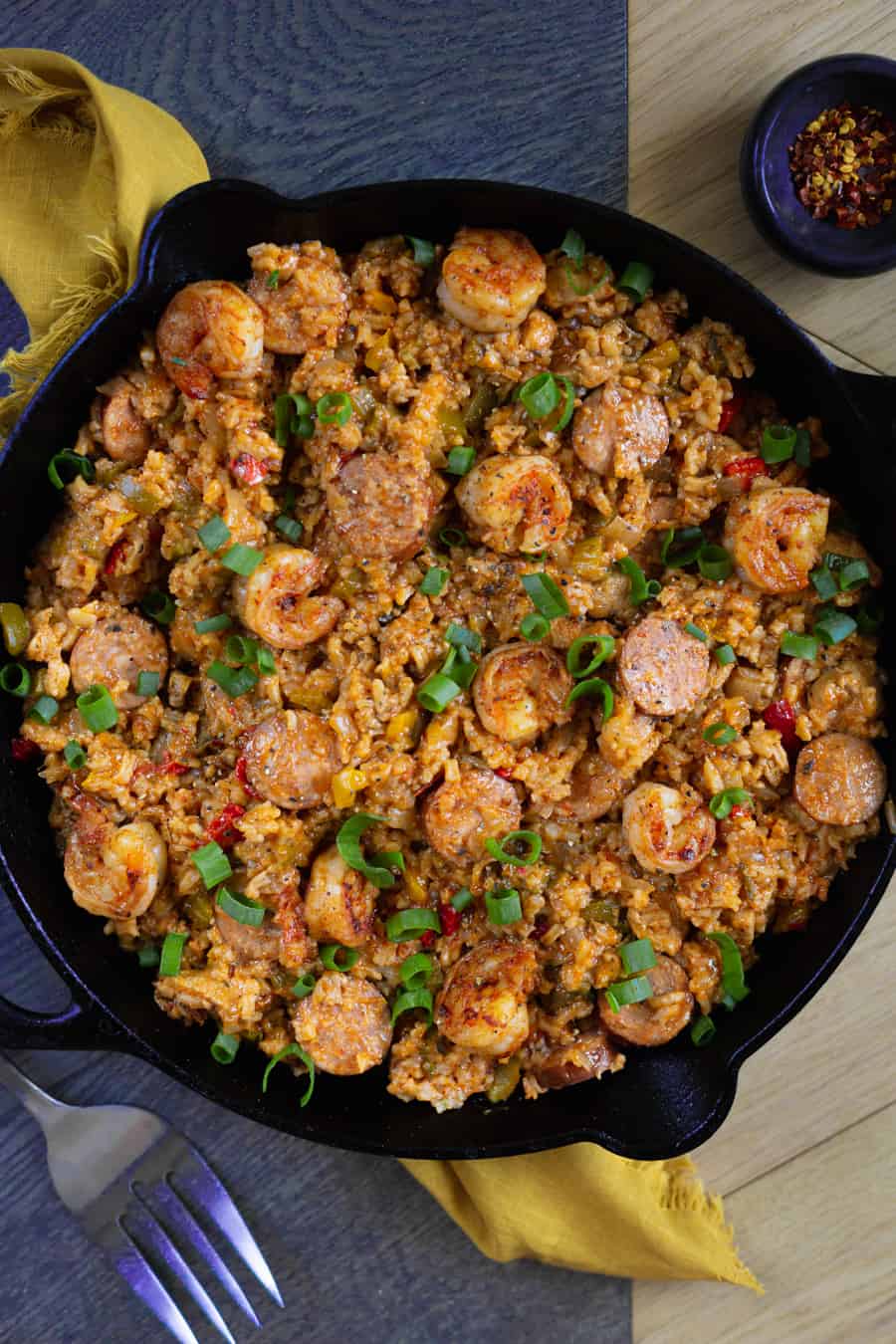 Jambalaya—The
word is a happy sound, especially since Hank
Williams made it into a Cajun-beat pop song of
the same name. A hearty mix of ham (the word
may come from the Spanish, jamon, for
ham), pork, sausage, shrimp and crayfish
cooked with rice, jambalaya is as identifiable
as any dish in Louisiana as pure native
cookery. Still, it's not that easy to find in
New Orleans. One of my favorite places to get
it is at Olde N'Awlins Cookery, with its
lovely brickwalled courtyard, good prices and
very friendly service.
Jambalaya—The
word is a happy sound, especially since Hank
Williams made it into a Cajun-beat pop song of
the same name. A hearty mix of ham (the word
may come from the Spanish, jamon, for
ham), pork, sausage, shrimp and crayfish
cooked with rice, jambalaya is as identifiable
as any dish in Louisiana as pure native
cookery. Still, it's not that easy to find in
New Orleans. One of my favorite places to get
it is at Olde N'Awlins Cookery, with its
lovely brickwalled courtyard, good prices and
very friendly service.
Macquechou—No
one has ever ascertained where the name for
this dish of corn, onion, peppers and milk
came from, but some believe it was brought to
Louisiana by the Spanish with the name machica; others
think the word comes from the French
colloquialism maigrichou, for “thin
child,” though that doesn’t sound right. 
Dirty
Rice—Simply
because this rice dish riddled with cooked
chicken livers and gizzards attains a
gray-brown appearance, it has come by this
lowly name.
Petticoat
tails—This
cookie with a scallop-shaped edge has a
fascinating linguistic history, which begins
in the court of Queen Mary Stuart of Scotland
(1542-87), who was much influenced by the
French court, where these cookies were called
petits gâtels or petit gateaux—“little
cakes.” Scottish immigrants brought the cookie
to New Orleans, altering the pronunciation to
“petticoat tails,” and the name stuck because
the edges do have the look of a petticoat hem.
NEW YORK CORNER
BENJAMIN STEAK HOUSE
610 Hartsdale Road
White Plains, NY
914 428-6868
By John Mariani

Little
things add up in a good restaurant. You arrive
and are cordially greeted and shown to your
table past a handsome bar into an elegant,
polished dining room, its spacious tables well
set with white linens and thin stemware, salt
and pepper grinders, candlelight. There's a
fireplace and a wall of wine.The black leather
chairs and brown banquettes are comfortable.
There is no
pounding music played. The moment you sit down a
busboy brings a basket of bread rolls, butter
and olive oil. The highly experienced waiter
asks if anyone wants a cocktail. The pace of the
courses is smooth. Portions are deftly doled
out. Plates are warmed. Wines are at the
right temperature.
 If
none of these details seems extraordinary, I can
guarantee that these days they are exceptional at
a time when the civilities of dining out have been
dashed by so many uncomfortable, cramped, loud,
barely designed restaurants with cheap glassware,
paper napkins, no tablecloths and a waitstaff
seemingly drafted right off the street.
If
none of these details seems extraordinary, I can
guarantee that these days they are exceptional at
a time when the civilities of dining out have been
dashed by so many uncomfortable, cramped, loud,
barely designed restaurants with cheap glassware,
paper napkins, no tablecloths and a waitstaff
seemingly drafted right off the street.
Put all these details together and you have
a restaurant like Benjamin Steakhouse, whether
it’s one of two in Manhattan or the newer version
in the Westchester suburb of White Plains. Then
add in the finest beef, abundant side dishes and a
wine list with more than 1,000 selections and you
have something quite special––even though all is
as it should be.
The New York steakhouse model varies by
design and service, once barebones décor and gruff
waiters. Now there is far too much competition to
rest on those outdated ideas, and, as I’ve had
ample reason to extol, many of the new steakhouses
are run by eastern Europeans well-schooled in Old
World service. 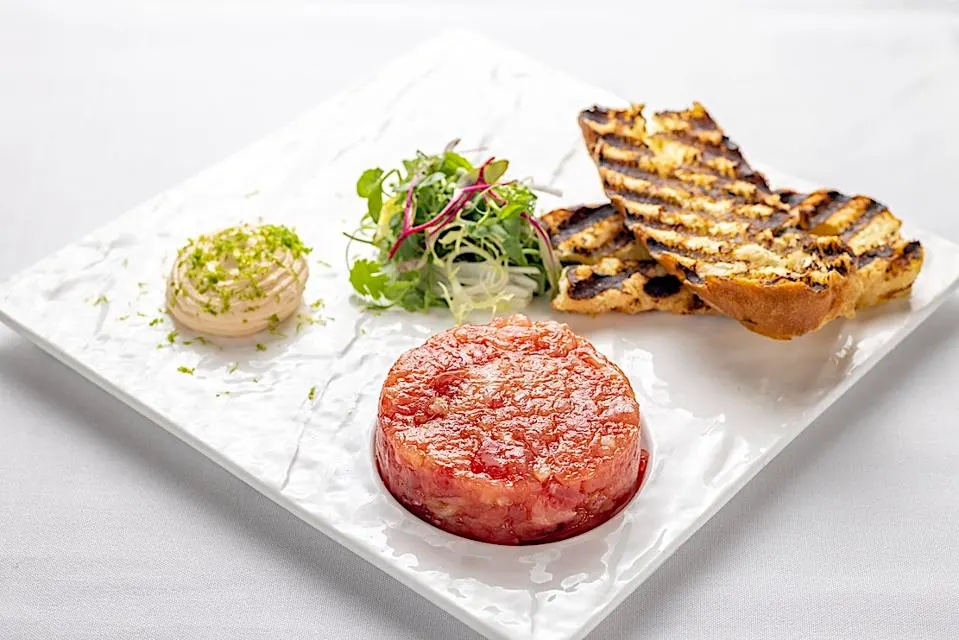 And
their clientele are fully appreciative of the
attention.
And
their clientele are fully appreciative of the
attention.
In the case of Benjamin, the owners
Benjamin Prelvukaj and Ben Sinanaj and director of operations Victor
Dedushaj run their restaurants with the same
aplomb once found at places like ‘21’ Club and The
Four Seasons, and the nightly full parking lot in
White Plains indicates a clientele who expects
nothing less.
 The
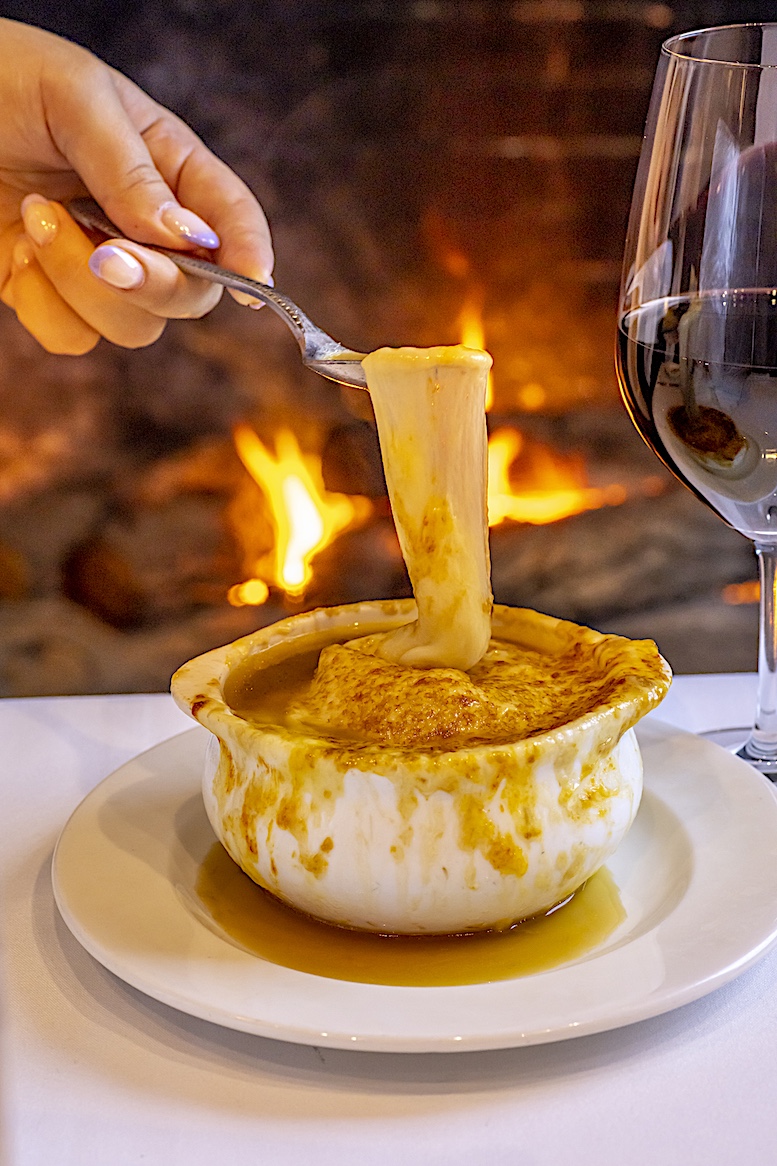
menu doesn’t stray from the classics, beginning
with a fine French onion soup thick with browned
Gruyère and a well-cut tuna tartare with toast.
The generous platter of shellfish teems with fat
crustaceans and bivalves, not least truly jumbo
lump crabmeat (although the crab cake appetizers
does not).
The
menu doesn’t stray from the classics, beginning
with a fine French onion soup thick with browned
Gruyère and a well-cut tuna tartare with toast.
The generous platter of shellfish teems with fat
crustaceans and bivalves, not least truly jumbo
lump crabmeat (although the crab cake appetizers
does not).
I’m always
partial to an Iceberg lettuce wedge with dried
Canadian bacon, cherry tomatoes and blue cheese
dressing and the lobster bisque is more lobster
flavor than cream. The whole lobsters weigh
in at a hefty two pounds, shelled quickly at the
table to keep the flesh warm.
There are eight
options for steaks and chops, including a
hamburger. The steak for two , three or four is a lot of meat,
even
for two, and the tomahawk cut is a really a
show-off. I’m
glad to see that Benjamin has not fallen into
the trend of serving the ubiquitous wagyu not
nearly as good as USDA Prime.
There are
also four fish items each night. 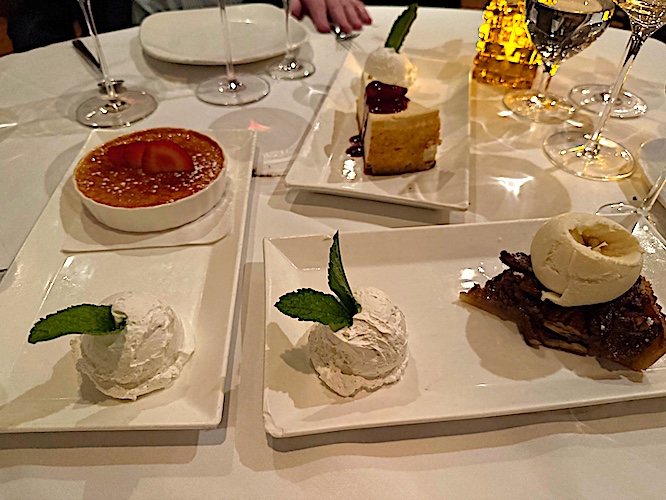
The creamed spinach
is luxurious, keeping the flavor of the
vegetable forward by using a stock reduction rather
than gobs of cream, and, if you really like to
gild the lily, try a platter of the home fries
lavished with melted blue cheese.
Desserts are as
full-bodied as the rest of the menu,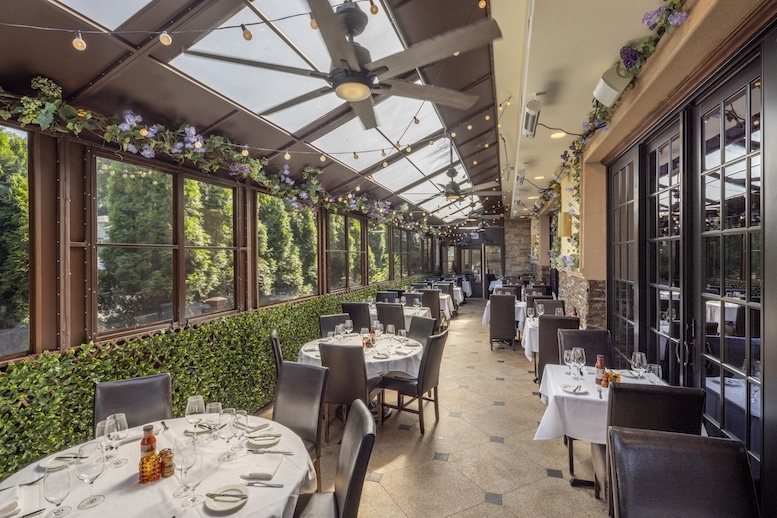 including an
excellent cheesecake, perfect créme brûlée and
crunchy pecan pie.
including an
excellent cheesecake, perfect créme brûlée and
crunchy pecan pie.
The owners of
Benjamin also run the new Seafire Grill
overlooking the Hudson River that I wrote about
several months ago, which has become a destination
spot for the Tri-State Region. The White Plains
branch of Benjamin’s replicates the original’s
largess and service but does so in a more
spacious, relaxing atmosphere that draws guests
from across the Tappan Zee Bridge and south from
Connecticut for all those reasons of classic
hospitality so often missing these days in food
service.
Incidentally,
you
won’t find a better fixed price three-course lunch
at $44.95 than here, especially now in springtime
in the glass-in porch at Benjamin’s.
Open for
lunch and dinner daily.
THE BISON
By John Mariani
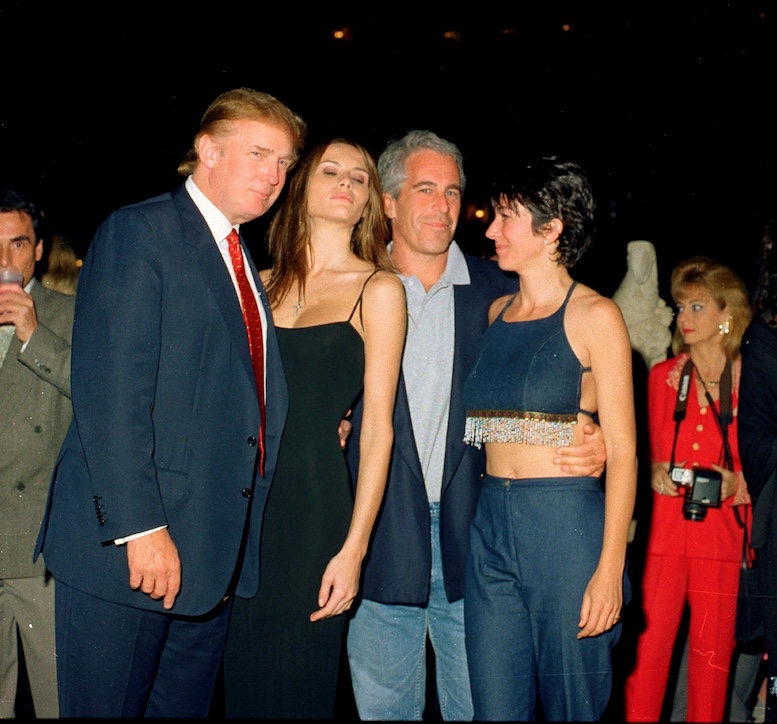
CHAPTER EIGHTEEN
Rather
than go into a room where they would
normally grill a suspect, Rush brought
them to his own office, which had a couch
and two chairs, with a coffee table, file
cabinets and a peg board on one wall.
 Katie
was amazed at how young Virginia Giuffre
appeared, more so than Susannah. The girl
looked more like a hippie than a hooker,
free of make-up with gray-blue eyes and thin
lips. Pretty but not stunning. She was
wearing a denim skirt, sandals and spaghetti
strap top, with a
strand of Thai beads around her neck and a
turquoise bracelet. She was smiling.
Katie
was amazed at how young Virginia Giuffre
appeared, more so than Susannah. The girl
looked more like a hippie than a hooker,
free of make-up with gray-blue eyes and thin
lips. Pretty but not stunning. She was
wearing a denim skirt, sandals and spaghetti
strap top, with a
strand of Thai beads around her neck and a
turquoise bracelet. She was smiling.
Everyone shook hands and sat down.
Katie asked if she could use her tape
recorder, Virginia shrugged and Rush turned
on his own recorder.
“I’m going to ask you some basic
questions, Miss Peters, things I know you’ve
gone over before.”
“It’s Mrs. Giuffre, if you
don’t mind.” She said.
Katie and David then learned that she
was born Virginia Louise Roberts in
Sacramento, California, in 1983, with a
younger brother to her parents Sky and
Lynn Roberts, who relocated to Loxahatchee
in Palm Beach County.
“Now,” Rush said, “you told us before
you came from a ‛troubled home,’ and that
you were molested at the age of seven by a
family friend.”
Giuffre nodded and said, “I was just
so mentally scarred already at such a young
age, and I ran away from that, and after a
while I was put in a series of foster homes.
Hated every one and I ran away every time. From
the time I was fourteen I was living on the
streets where I was always hungry and
suffered more abuse.”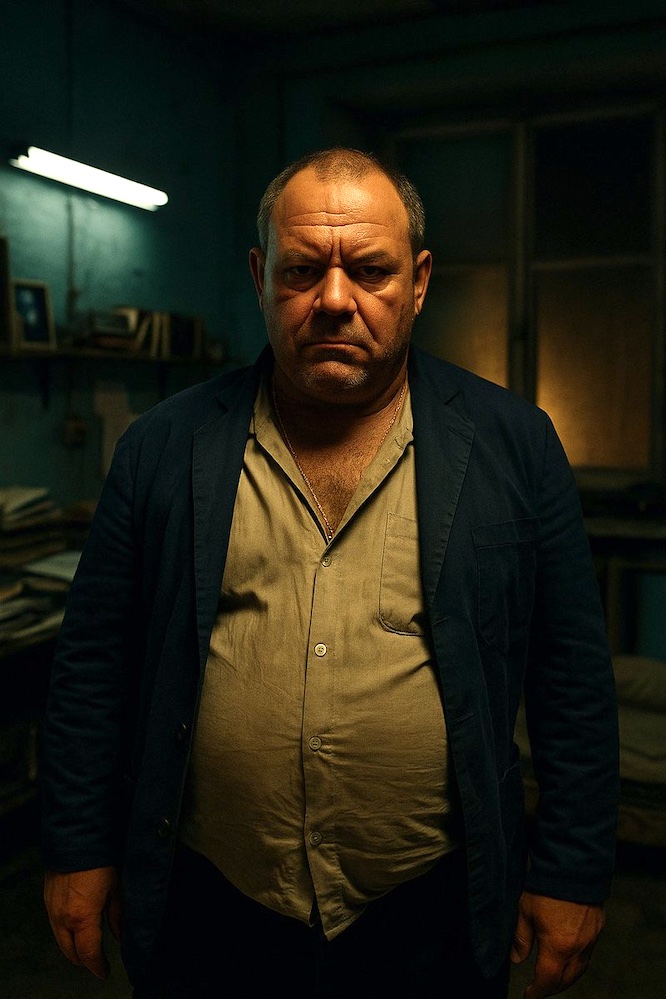
“And who was Ron Eppinger?” asked
Rush.
“He was a sex trafficker in Miami (right),
and he took me in and abused me, too. He was
sixty-five and ran this bogus modeling
agency named Perfect 10, out of which he
trafficked girls. Finally the FBI got him
for prostitution and money laundering, and
he was put away after pleading guilty. Far
as I know he’s still in prison. At least I
hope so.”
Katie and David were both
thinking of the rottenness that allowed such
people to thrive and thought again of the
Magdalene Laundries in Ireland where the
abuse had been sanctioned by the Catholic
Church.
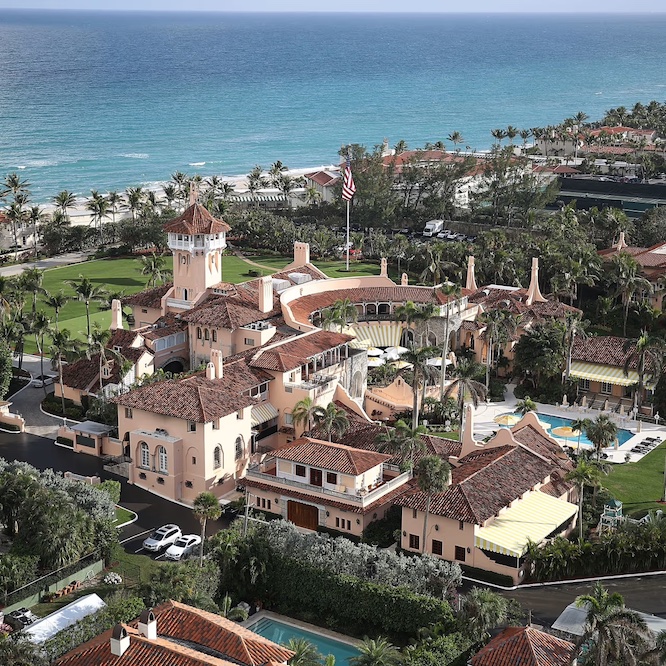
Giuffre continued: “I had no place
else to go, so I went home to live with my
father, who worked as a maintenance manager
at Mar-a-Lago (below), which is owned
by Donald Trump. My father got me a job
there as a spa attendant. It wasn’t a great
payday but it was clean and safe. Plenty of
security in that place because of the kind
of clientele it attracted.”
 “And
that’s where you met Ghislaine Maxwell?”
“And
that’s where you met Ghislaine Maxwell?”
“Yeah, I was sitting around at the
spa reading a book and this woman with a
British accent came up to me and like
started talking to me, told me I was such a
pretty girl, and bullshit. She asked if I
knew massage therapy and said she could get
me a job as a traveling masseuse for Jeffery
Epstein.”
“Did you know who that was?”
“Not a clue. I just assumed he was
another old rich guy who could afford to fly
around with his own personal masseuse. Shit,
I didn’t actually know anything about being
a masseuse but it didn’t seem to matter to
Ghislaine. She told me she knew some guy who
would train me, and if it works out, I’d make
good
money and travel.”
“What happened then?” asked
Katie.
“The
training started immediately. It was
everything, down to how to be quiet, be
subservient, give Jeffrey what he wants. A
lot of this training came from Ghislaine
herself, and being a woman, it kind of
surprises you that a woman could actually
let stuff like that happen. But not only let
it happen but to groom you into doing it.”
“And then?”
“We went over to
Jeffrey’s and, I gotta say, that was a
freaking big house. And I’m led right into
this massage room and there’s Jeffrey naked.
Ghislaine told me to take off my clothes and
give him a blowjob.”
Katie realized how identical the
stratagem was to what Susannah had told her.
“They seemed like real nice people so
I trusted them, and I told them I'd had a
really hard time in my life up until then.
I'd been a runaway, I'd been sexually
abused, physically abused. That was the
worst thing I could have told them because
now they knew how vulnerable I was. From
then on they were grooming me to be a
masseuse who also gave the guys sex. From
then on my whole life revolved around just
pleasing these men and keeping Ghislaine and
Jeffrey happy. And their whole entire lives
revolved around sex.”
Katie asked, “And when was this?”
“Like two years ago. I mean, compared
to what I’d been through, it wasn’t such a
bad life. I got to travel to New York,
Jeffrey’s private island and the Zorro
Ranch.
I loved that place because it was so
different from South Florida. Dry heat. But
it all went bad real fast. I
was passed around like a platter of fruit to
Jeffrey’s friends. It was a wicked and
really scary time for me, and I really
couldn’t understand how in the highest level
of the government, powerful people were
allowing this to happen. Not just allowing
but participating in it. And I was a piece
of fruit in the whole rotten business.”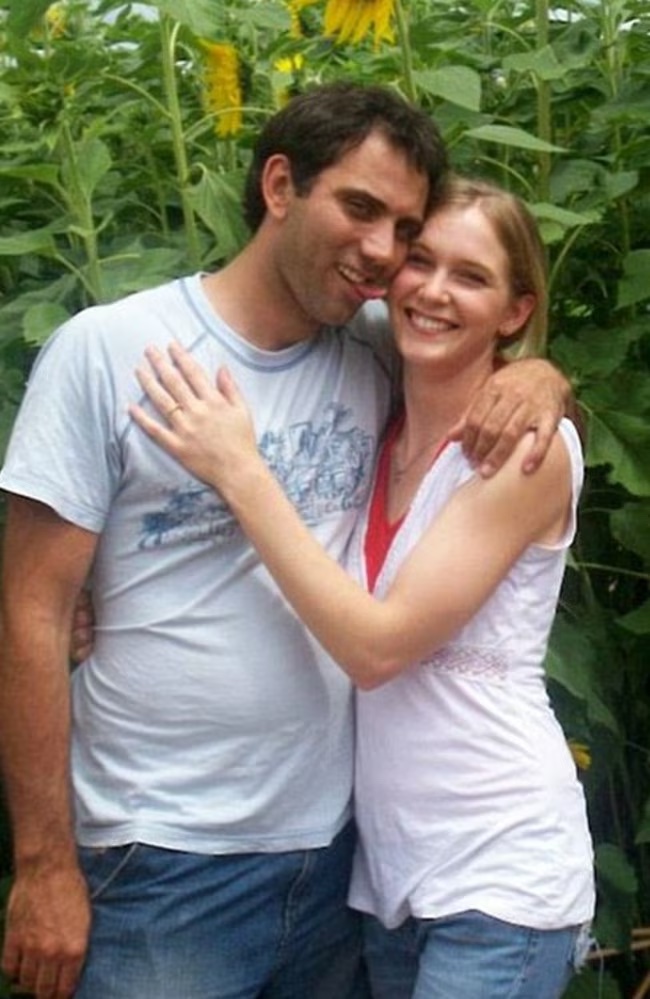
Rush said, “And that’s about where we
left off last time we spoke, correct?”
“I guess so.”
“And on the basis of what you told us
we opened an investigation, but you took off
to Thailand.”
For the first moment Giuffre winced
as if she’d been struck.
“I took off because Ghislaine wanted
to send me to this fancy massage therapy
school in Chang Mai. And when I got there I
met the guy I married (right). He’s a
good man, and he wouldn’t let anything
happen to me over there. And, listen, I came
back because you people don’t seem to be
going anywhere with this investigation, so I
decided to give you the names of the other
guys in Jeffrey’s world. If you don’t take
it seriously I can always go straight to the
Miami Herald.”
Katie said, “Mrs. Giuffre, I am part
of
the press, and I, for one, guarantee I’ll
report what you tell me if I can get sources
to back it up.”
“Where you from again?”
David spoke. “McClure’s magazine.
And
Katie’s one of the finest investigative
journalists in the country. What she says
she’ll do, she’ll do.”
Rush tried to get his questions back
on track.
“It may seem, Mrs. Giuffre, we’ve
been dragging our feet on this case, but
it’s because now the FBI and the IRS are
also involved, and anything you tell us
about these powerful men in Epstein’s grasp
the more likely he and some other people
will be going to prison for a long time.”
“I hope I live long enough,” she
said. “Jeffrey’s surrounded by buffers.
These kind of people never go to jail or
they get a slap on the wrist.”
“Then why do you want to get further
involved?” asked Katie.
Giuffre laughed. “Isn’t it obvious?
If I can’t get Jeffrey and his bitch
Ghislaine hanged then I want them to be
publicly exposed and humiliated. They go to
jail, even better. I just want the
trafficking of young girls to stop. That’s
it for me. If that happens I’m never setting
foot in Florida again. And by the way, I’m
expecting a child.”
“You mean you fear for your life if
you stay here?” asked Katie.
“You’re damn right I do. Jeffrey has,
like, a
big revenge streak in him. He’s careful but
even if he has to wait, he’ll try to get to
anyone who betrays him.”
“Do you know of anyone he’s gone
after?”
“Nobody he’s knocked off, though I
wouldn’t doubt it. More like threatening
them, like beating them up. You ever heard
of a guy named Vargas out of Miami?”
David and Katie looked at each other,
then at Rush, who said, “We know he runs a
brothel down there. How’s he involved?”
“Vargas is one of the people Jeffrey
uses for like strong arm stuff. There are
others. Vargas usually hires them.”
“And you think this Vargas, through
Epstein, has ordered hits on people?”
Giuffre smirked and said, “What are
you? A sergeant, lieutenant or captain?”
“Captain.”
“And, like, I have to tell you these
things?”
“Okay,” said Rush, “let’s get back to
Epstein’s friends. “Who are these powerful
men who attend these parties?”
 Giuffre
puffed, “That’s a long list. I was only
there for like eighteen months and I didn’t
know most of these guys. A lot of them were
like local politicians, developers, bankers.
I was introduced to a lot of them and was
their girl for the night. Everybody I assume
was getting sex—I mean like they weren’t
there for the free food and booze. All of
them leering and giggling. Most of them
looking like they hoped their wives wouldn’t
find out.”
Giuffre
puffed, “That’s a long list. I was only
there for like eighteen months and I didn’t
know most of these guys. A lot of them were
like local politicians, developers, bankers.
I was introduced to a lot of them and was
their girl for the night. Everybody I assume
was getting sex—I mean like they weren’t
there for the free food and booze. All of
them leering and giggling. Most of them
looking like they hoped their wives wouldn’t
find out.”
“So,
who were some of these men?”
“I
remember the first guy Ghislaine had me
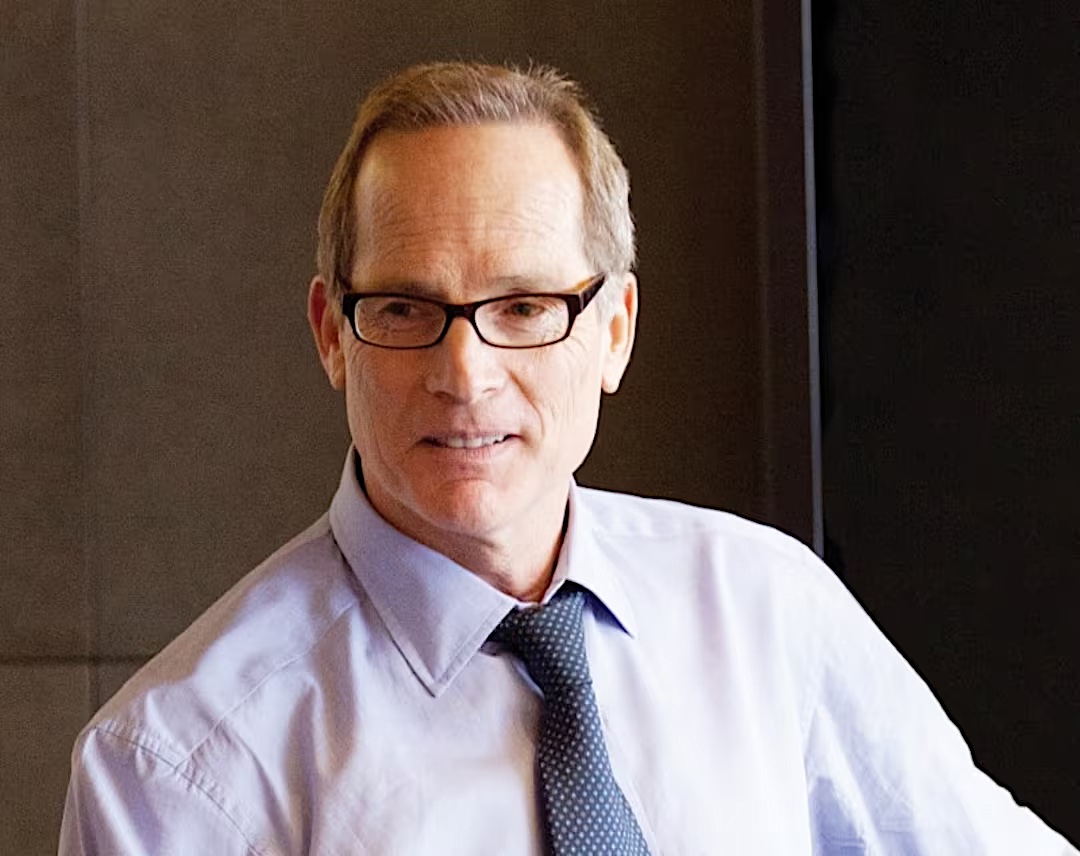
meet, a big hedge fund manager named Dubin (left).”
“Glenn
Dubin?” asked David. “Billionaire, head of the
Robin Hood Foundation.”
“I
guess so. He was the first powerful guy
Ghislaine gave me to. He
was one of those guys who would like boast
to me about how he’d married a Miss Sweden,
and how his kids had met Jeffrey, like he
was just attending some bible meeting.
Jeffrey was obsessed with his teenage
daughter Celina. What a creep. Ghislaine put
us in a room and we had sex, while his
pregnant wife was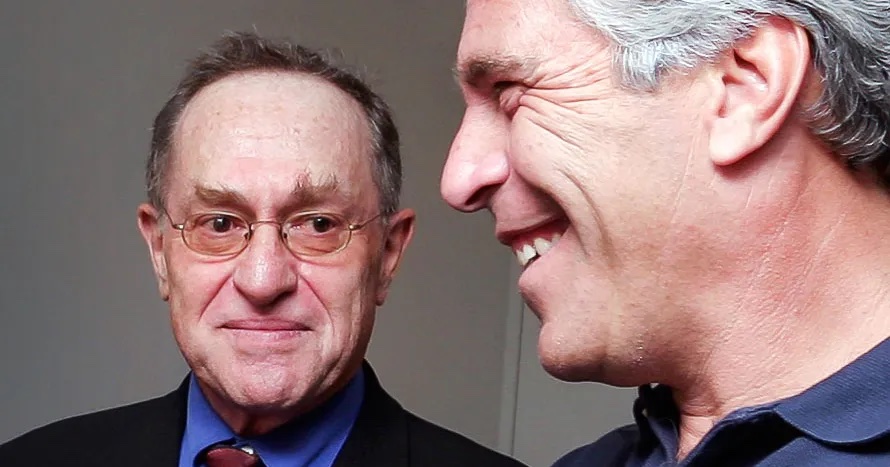 sleeping in the next
room.”
sleeping in the next
room.”
Katie
shook her head. “Who else?”
“That
attorney who was in the O.J. trial.
Dershowitz (right)? A fat pol from
New Mexico, I think, Bill Richardson. The
heads of a lot of modeling agencies,
scouting out girls they never planned to use
as models. The head of Victoria’s Secret.
Bill Clinton I saw on Jeffrey’s island with
two girls. He liked the young ones. 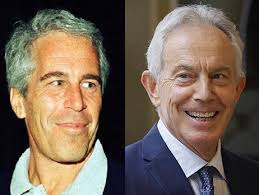 That
British
guy, Tony Blair (left). Jeffrey once
had 12-year-old triplets flown in from
France for his birthday and flown back the
following day after being sexually abused by
some Wall Street guy. Other times he’d take
away a girl’s passport so she couldn’t’
leave the U.S. He brought in girls from
Brazil and other South American countries,
and Europe—Jeffrey loved Russian girls—and
the MC2 modeling agency in New York that
this scumbag named Jean-Luc Brunel (right)
opened after Jeffrey lent him some money. He
brought in
That
British
guy, Tony Blair (left). Jeffrey once
had 12-year-old triplets flown in from
France for his birthday and flown back the
following day after being sexually abused by
some Wall Street guy. Other times he’d take
away a girl’s passport so she couldn’t’
leave the U.S. He brought in girls from
Brazil and other South American countries,
and Europe—Jeffrey loved Russian girls—and
the MC2 modeling agency in New York that
this scumbag named Jean-Luc Brunel (right)
opened after Jeffrey lent him some money. He
brought in 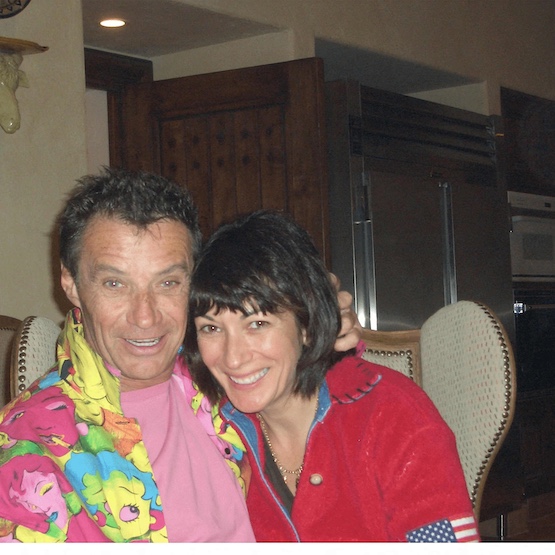 all
his newest, youngest girls. Jeffrey even
forced some girls to marry new foreign girls
so they could stay in the country.
all
his newest, youngest girls. Jeffrey even
forced some girls to marry new foreign girls
so they could stay in the country.
“Oh, then there was this
Saudi Prince. What
a sleazebag, walking around in these long
white dresses looking like Lawrence of
Arabia. Then there was some big billionaire
from South Africa named Angus. Who names
their kid ‛Angus’? What a pig he was!”
“Donald
Trump?”
“Oh, yeah, he and Jeffrey
were close friends, soul buddies. He and
Ghislaine went to the White House a bunch of
times. And both of them only wanted really
young girls. They’d stand around and, like,
rate us, give us numbers, like, ‛Oh, she’s a
nine” and ‛Hey, man, look at the rack on
that one,' and worse, and all the girls
could hear what they were saying. Then
there’s Prince Andrew, who Ghislaine told me
I had to ‛do for him what you do for
Jeffrey.’”
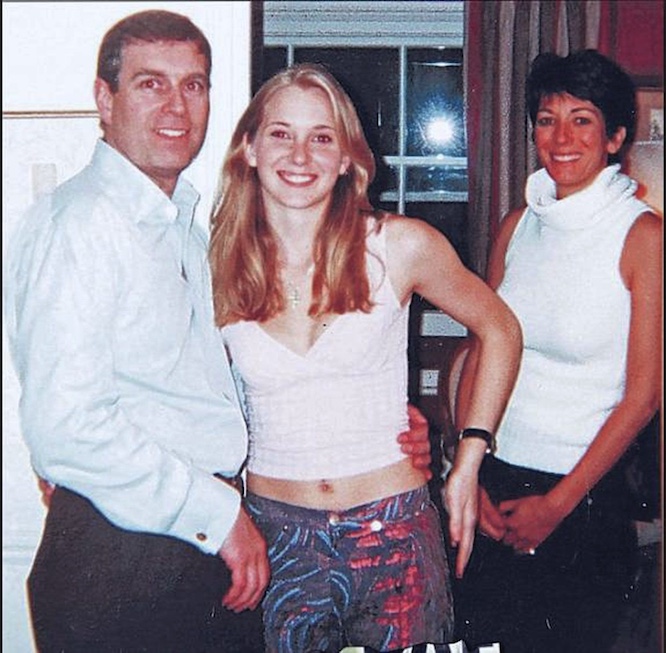 “You mean massage?” asked Katie.
“Yeah, Jeffrey’s kind of massage.”
"Did you get paid for that?” asked
David.
“Oh, yeah, I got about $15,000.”
“I’ve read that you traveled pretty
extensively with Prince Andrew.”
“Oh, yeah, I had a ball. Tahiti,
Mexico, even his huge palace in London. He
had more than one, you know. I was pretty
dazzled. I wasn’t allowed to talk about him
with anyone, but, hey, I made a lot of money
off Andy and drank
a lot of Champagne, which, frankly, I never
even really liked all that much. I used to
ask for bourbon on the rocks. I remember
Andy telling me, ‛Well, could you at least
order Scotch?’ but I didn’t like Scotch.”
“And you’re willing to go on the
record about meeting these guys?” asked
Rush.
“Whatever nails Jeffrey I’ll talk
about.”
“And do you have any evidence that
you were with all these men?” asked David.
“Not much. Things were all done on
Jeffrey’s property, and they made sure
nothing got left behind when these guys were
finished with the girls. There were videos,
though, and the men had to know they were
being filmed.”
“Do
you know where those tapes are stored?”
asked David.
Giuffre said, “Safe and sound.”
“Do
you believe Trump and Clinton when they say
they had no idea what was going
on?”
Giuffre laughed. “The walls were lined with
photos of naked girls!”
“And
Andrew was in on all this?”
“Of
course.
Now, Andrew, with him I’ve got lots
of stuff, a lot of which he gave me as
gifts. Some of the rest I picked up from
hotel rooms and restaurants along the way.
My husband wants me to trash it all but I
said it's going to come in handy one day.
Today’s the day, I guess.”
“Did you ever see any money passed
around at these parties?” asked Katie.
Giuffre blinked. “Are you serious?
You think these guys were paying us out of
their own wallets? I can’t believe you even
asked that.”
Embarrassed, Katie responded, “I
meant, like, pay-offs?”
Giuffre
shook her head again. “Yeah, right, they
were stuffing big thick envelopes into
Jeffrey’s pockets all night. Gimme a break.”
The interview went on for an hour,
until Giuffre said, “That’s it for me. I’m
here for like two more nights if you want to
reach me, but after that I’m going back to
Thailand for good. I want my baby born
there.”
Rush, Katie and David thanked her for
her help. Rush knew she was having a session
with the FBI before leaving, and there would
be some comparing of notes afterwards.
“I wish you luck, Mrs. Giuffre.
You’ll have police security until you leave
the U.S.”
“That’s cool, but I may need it in
Thailand, too. Jeffrey’s got friends there,
and I’m sure he’ll find out I’ve been in
here talking to you.”
“We’ll see what we can do with the
Thai police.”
“Good luck with that. No offense, but
they’re like way more corrupt than the cops
in Miami or around here.”
She then turned to Katie and David
and said, “And you two should be on alert,
too. If Jeffrey and Ghislaine find out
you’re snooping around, they’re gonna make
sure you know it.”
David thought of
the spider in his bedroom and winced.
❖❖❖
NOTES FROM
THE WINE CELLAR
By John Mariani

The
romance
attached to having a beautiful wine cellar done in
polished mahogany with tile floors, air-conditioning
and humidity controls is a pretension of rather
recent vintage––a rich American connoisseur’s dream.
Indeed, the rich European connoisseurs, including
those who actually own wine chateaus, store their
wines in musty old cellars, often hung with cobwebs,
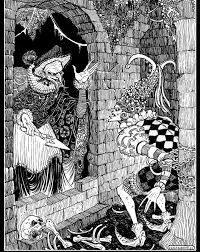
à la Edgar Allen Poe’s short story “The Cask of
Amontillado,” in which a host seals up his enemy
behind a wall in his wine cellar (left).
 These
established
cellars are cool by nature and the humidity
constant, and no amount of mahogany will improve on
those conditions. But assuming you do not have an
ancient cellar beneath your chateau and instead live
in an apartment
where the heat and cold vary season to
season, even if you try to keep it at 70 degrees
year-round, do you really need to be careful about
storing your wine cache, no matter how big or small?
These
established
cellars are cool by nature and the humidity
constant, and no amount of mahogany will improve on
those conditions. But assuming you do not have an
ancient cellar beneath your chateau and instead live
in an apartment
where the heat and cold vary season to
season, even if you try to keep it at 70 degrees
year-round, do you really need to be careful about
storing your wine cache, no matter how big or small?
The simple answer is, in most
cases, no.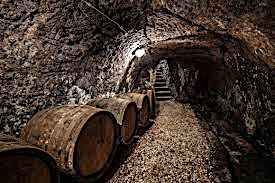
“A wine cellar is rarely just about storage,” says
Robb Denomme, founder
and CEO of Genuwine Cellars,
that since 1995 has designed and constructed over
10,000 bespoke projects. “For the
serious collector, it's a preservation environment.
For the entertainer, it's a statement. And for many
homeowners, it sits somewhere in the middle, a
curated space that reflects their relationship with
wine and, to a meaningful degree, their taste in
design. There's a reason the traditional cellar has
endured: It appeals to something instinctive in the
way we think about wine: the patience, the history,
the ritual. When you walk into a well-built
traditional cellar, you feel it immediately.”
Which sounds like a swell idea, but it will cost you
plenty, and the “preservation” factor may not be of
any real consequence unless you’re hoarding
fifty-year-old cases of Lafite-Rothschild and
Romanée-Conti.
Since most wine lovers drink wines within
days, weeks or months of purchase, there’s no reason
to worry about the temperature or the humidity
in your house or apartment. No one keeps their
living quarters or cellar at 90 degrees, so anything
below 80 degrees does no harm.
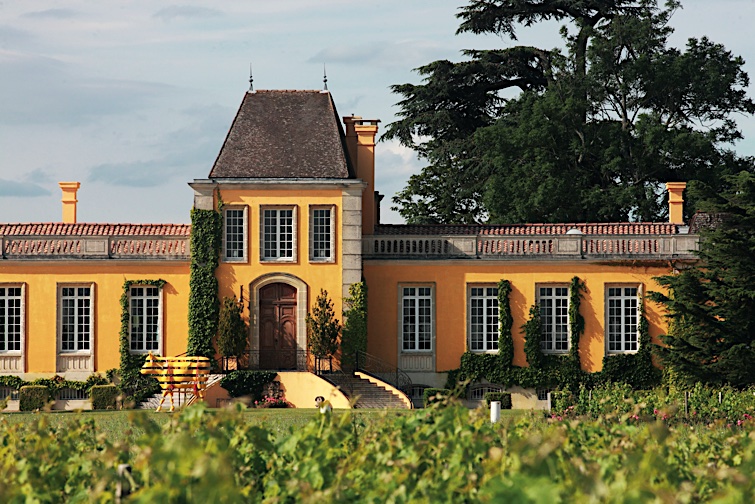 Even more, cold has little
effect on wine storage. I was once told by the owner
of the Bordeaux estate Château Lafon-Rochet (left)
that he forgot that he’d left a case of his wine on
his boat where it was rocked about under icy-cold
temperatures throughout the winter, but found, to
his surprise, that the wines tasted perfectly fine
when he re-discovered them that summer when the
temperatures were above 80.
Even more, cold has little
effect on wine storage. I was once told by the owner
of the Bordeaux estate Château Lafon-Rochet (left)
that he forgot that he’d left a case of his wine on
his boat where it was rocked about under icy-cold
temperatures throughout the winter, but found, to
his surprise, that the wines tasted perfectly fine
when he re-discovered them that summer when the
temperatures were above 80.
In my
own experience I can count on the fingers of one
hand the number of bottles that had gone bad over
the last fifty years I’ve been storing them in my
concrete-block house cellar (below) with pine
shelving, where the temperatures range from about 60
degrees in winter and 70 in summer. I do have a
de-humidifier just to take prevent the cellar from
becoming musty 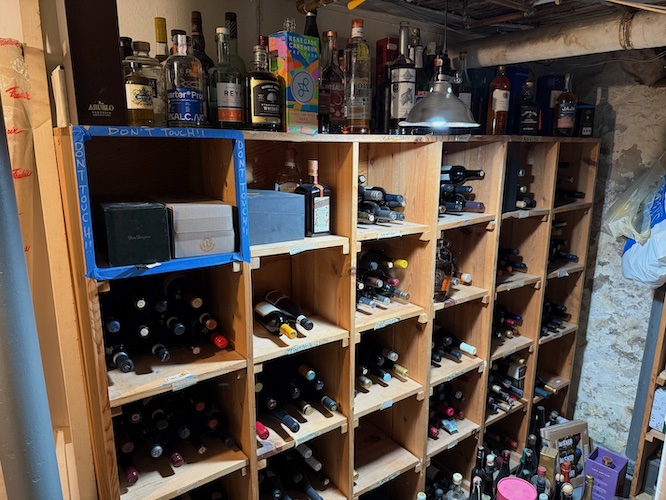 in
warm weather but not because I worry about it
affecting the wines. Moreover, there’s no way of
telling if those spoiled wines were already spoiled
or corked when I bought them.
in
warm weather but not because I worry about it
affecting the wines. Moreover, there’s no way of
telling if those spoiled wines were already spoiled
or corked when I bought them.
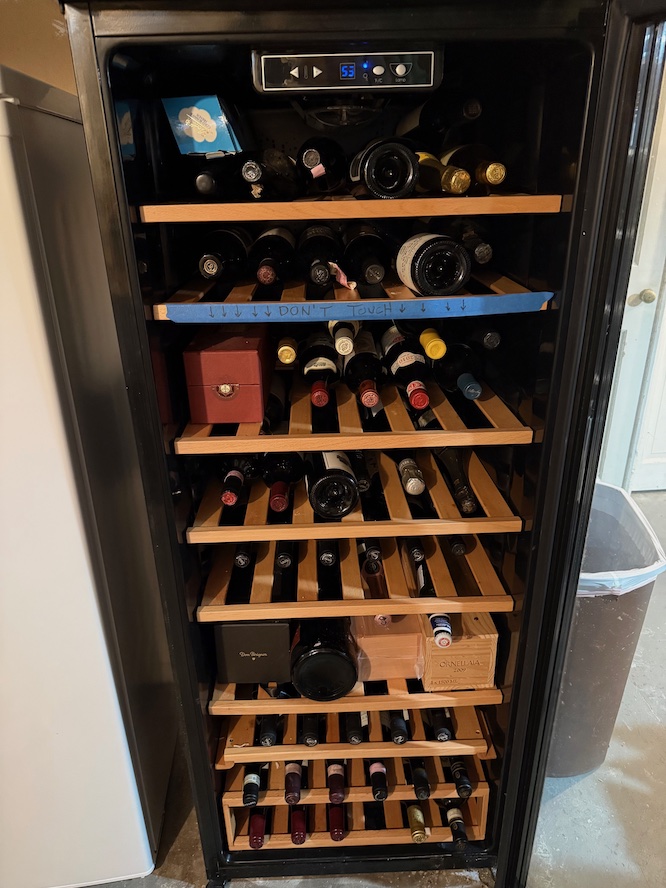 I do have a dozen or so old,
expensive bottles that I keep in a refrigerator (left)
made for such wines, which is not a bad idea, since,
depending on the size, can be had for $250 to $400
to hold twelve to 36 bottles.
I do have a dozen or so old,
expensive bottles that I keep in a refrigerator (left)
made for such wines, which is not a bad idea, since,
depending on the size, can be had for $250 to $400
to hold twelve to 36 bottles.
The ironic thing about building a $50,000+ wine
cellar, however beautiful, is that stocking case
upon case of rare wines is rather silly unless you
either intend to drink all of them (assuming you
don’t re-stock) or plan to will them to your heirs,
who may or may not like wine very much. I once knew
a woman who used her late husband’s rare Burgundies
to cook with but never drank.
The fact is, wines, once purchased, cannot be
re-sold except at auctions, and most experts will
tell you that, while rare wines may increase in
value over decades, they are never a particularly
profitable investment. 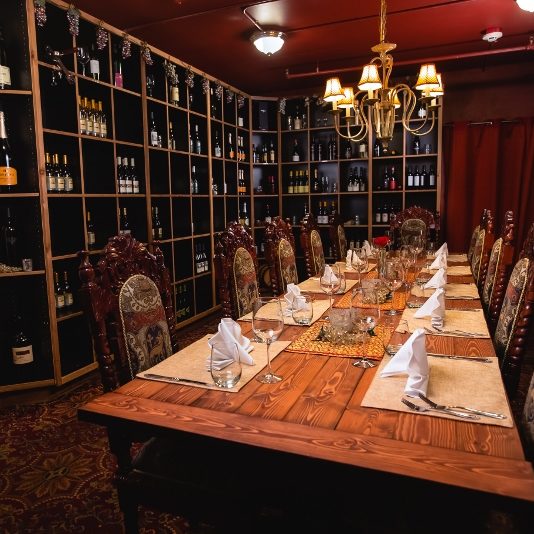
Custom-made
wine storage rooms make a certain amount of sense
for restaurateurs, although with such constant
turn-over and
the urgent intent to sell old and new bottles, few
wines are going to remain in that room for very
long. Usually a restaurant will do just fine
with a room with air-conditioning and a humidifier
to keep things constant. And in most of the
restaurant cellars I’ve visited, the decorous
embellishments are few or non-existent beyond walls
of sturdy wooden racks. Some use them for private
dinner parties where guests are supposed to be awed
at the lavishness of the cellar, like the Hotel
Bellwether's at right.
By the way, in those dreadful
incidents where a restaurant has suffered a fire,
even if the million-dollar wine cellar is untouched,
all bottles will likely be condemned for possible
smoke damage by the local fire department, whose
members gladly cart them away by the
case. Rest assured, then, that you are unlikely to
have problems with wines going bad under any
reasonable conditions. Better yet, buy them and
drink them. Life is too short not to.
❖❖❖

"You don’t
need to be Willy Wonka or own a chocolate factory
to make your own candy bars. It might sound
intimidating, but chocolate bars are simple to
make. Plus, doing it yourself gives you the
freedom to add your favorite toppings and flavor
combinations so they’re exactly how you like them.
It also can be fun to get your kids involved and
let their confectionery creativity
flow. The final
result can be shared with loved ones as a tasty
treat – or kept in your secret sweets hiding spot
for you, and only you, to enjoy."––"Making your own
candy bar is simple" by Cody Godwin, USA
Today
❖❖❖
Any of John Mariani's books below may be ordered from amazon.com.
 The Hound in Heaven
(21st Century Lion Books) is a novella, and
for anyone who loves dogs, Christmas, romance,
inspiration, even the supernatural, I hope you'll find
this to be a treasured favorite. The story
concerns how, after a New England teacher, his wife and
their two daughters adopt a stray puppy found in their
barn in northern Maine, their lives seem full of promise.
But when tragedy strikes, their wonderful dog Lazarus and
the spirit of Christmas are the only things that may bring
his master back from the edge of despair.
The Hound in Heaven
(21st Century Lion Books) is a novella, and
for anyone who loves dogs, Christmas, romance,
inspiration, even the supernatural, I hope you'll find
this to be a treasured favorite. The story
concerns how, after a New England teacher, his wife and
their two daughters adopt a stray puppy found in their
barn in northern Maine, their lives seem full of promise.
But when tragedy strikes, their wonderful dog Lazarus and
the spirit of Christmas are the only things that may bring
his master back from the edge of despair. WATCH THE VIDEO!
“What a huge surprise turn this story took! I was completely stunned! I truly enjoyed this book and its message.” – Actress Ali MacGraw
“He had me at Page One. The amount of heart, human insight, soul searching, and deft literary strength that John Mariani pours into this airtight novella is vertigo-inducing. Perhaps ‘wow’ would be the best comment.” – James Dalessandro, author of Bohemian Heart and 1906.
“John Mariani’s Hound in Heaven starts with a well-painted portrayal of an American family, along with the requisite dog. A surprise event flips the action of the novel and captures us for a voyage leading to a hopeful and heart-warming message. A page turning, one sitting read, it’s the perfect antidote for the winter and promotion of holiday celebration.” – Ann Pearlman, author of The Christmas Cookie Club and A Gift for my Sister.
“John Mariani’s concise, achingly beautiful novella pulls a literary rabbit out of a hat – a mash-up of the cosmic and the intimate, the tragic and the heart-warming – a Christmas tale for all ages, and all faiths. Read it to your children, read it to yourself… but read it. Early and often. Highly recommended.” – Jay Bonansinga, New York Times bestselling author of Pinkerton’s War, The Sinking of The Eastland, and The Walking Dead: The Road To Woodbury.
“Amazing things happen when you open your heart to an animal. The Hound in Heaven delivers a powerful story of healing that is forged in the spiritual relationship between a man and his best friend. The book brings a message of hope that can enrich our images of family, love, and loss.” – Dr. Barbara Royal, author of The Royal Treatment.
 |
The Encyclopedia of American Food and Drink by John F. Mariani (Bloomsbury USA, $35) Modesty forbids me to praise my own new book, but let me proudly say that it is an extensive revision of the 4th edition that appeared more than a decade ago, before locavores, molecular cuisine, modernist cuisine, the Food Network and so much more, now included. Word origins have been completely updated, as have per capita consumption and production stats. Most important, for the first time since publication in the 1980s, the book includes more than 100 biographies of Americans who have changed the way we cook, eat and drink -- from Fannie Farmer and Julia Child to Robert Mondavi and Thomas Keller. "This book is amazing! It has entries for everything from `abalone' to `zwieback,' plus more than 500 recipes for classic American dishes and drinks."--Devra First, The Boston Globe. "Much needed in any kitchen library."--Bon Appetit. |
"Eating Italian will never be the same after reading John Mariani's entertaining and savory gastronomical history of the cuisine of Italy and how it won over appetites worldwide. . . . This book is such a tasteful narrative that it will literally make you hungry for Italian food and arouse your appetite for gastronomical history."--Don Oldenburg, USA Today. "Italian
restaurants--some good, some glitzy--far
outnumber their French rivals. Many of
these establishments are zestfully described
in How Italian Food Conquered the World, an
entertaining and fact-filled chronicle by
food-and-wine correspondent John F.
Mariani."--Aram Bakshian Jr., Wall Street
Journal.
"Equal parts
history, sociology, gastronomy, and just
plain fun, How Italian Food Conquered the
World tells the captivating and delicious
story of the (let's face it) everybody's
favorite cuisine with clarity, verve and
more than one surprise."--Colman Andrews,
editorial director of The Daily
Meal.com. "A fantastic and fascinating
read, covering everything from the influence
of Venice's spice trade to the impact of
Italian immigrants in America and the
evolution of alta cucina. This book will
serve as a terrific resource to anyone
interested in the real story of Italian
food."--Mary Ann Esposito, host of PBS-TV's
Ciao
Italia. "John Mariani has written the
definitive history of how Italians won their
way into our hearts, minds, and
stomachs. It's a story of pleasure over
pomp and taste over technique."--Danny Meyer,
owner of NYC restaurants Union Square
Cafe, The Modern, and Maialino.
|

 |
 |
 |
 |
 |
 |
MARIANI'S VIRTUAL GOURMET
NEWSLETTER is published weekly. Publisher: John Mariani. Editor: Walter Bagley. Contributing Writers: Christopher
Mariani, Misha Mariani, John A. Curtas, Gerry Dawes, Geoff Kalish.
Contributing
Photographer: Galina Dargery. Technical
Advisor: Gerry
McLoughlin.
If you wish to subscribe to this
newsletter, please click here: http://www.johnmariani.com/subscribe/index.html
© copyright John Mariani 2026