MARIANI’S
Virtual Gourmet
SEPTEMBER 27, 2026
NEWSLETTER
Founded in 1996
ARCHIVE
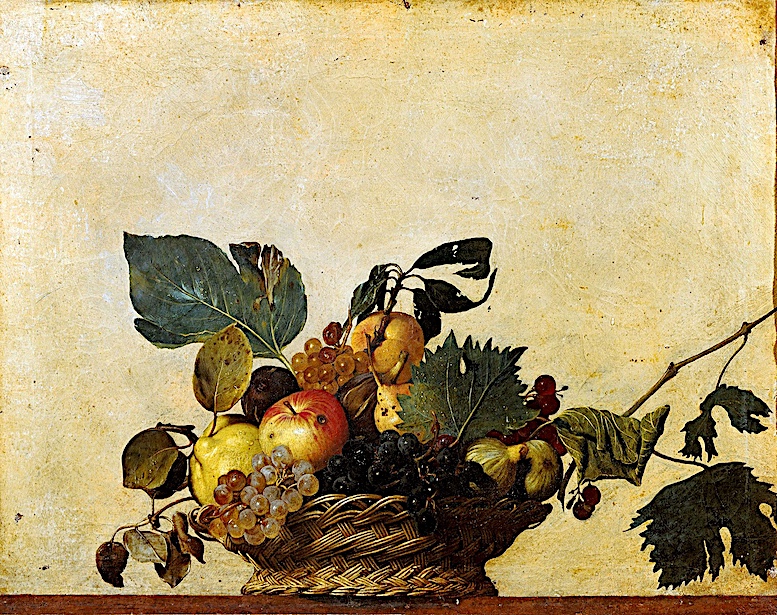
"Canestra di Frutta" By Caravaggio (1600)
A REAL RATIONALE FOR EATING
JAPANESE FOOD IN LISBON
BY JOHN MARIANI
NEW YORK CORNER
FELICE FLATIRON
By John Mariani
PEARL
CHAPTER TWO
By John Mariani
GLUTTONY
Chapter Two
By John Mariani
NOTES FROM THE SPIRITS LOCKER
GETTING INTO THE SPIRITS
By John Mariani
A REAL RATIONALE FOR EATING
JAPANESE FOOD IN LISBON
BY JOHN MARIANI
Photos by Hayley Kelsing
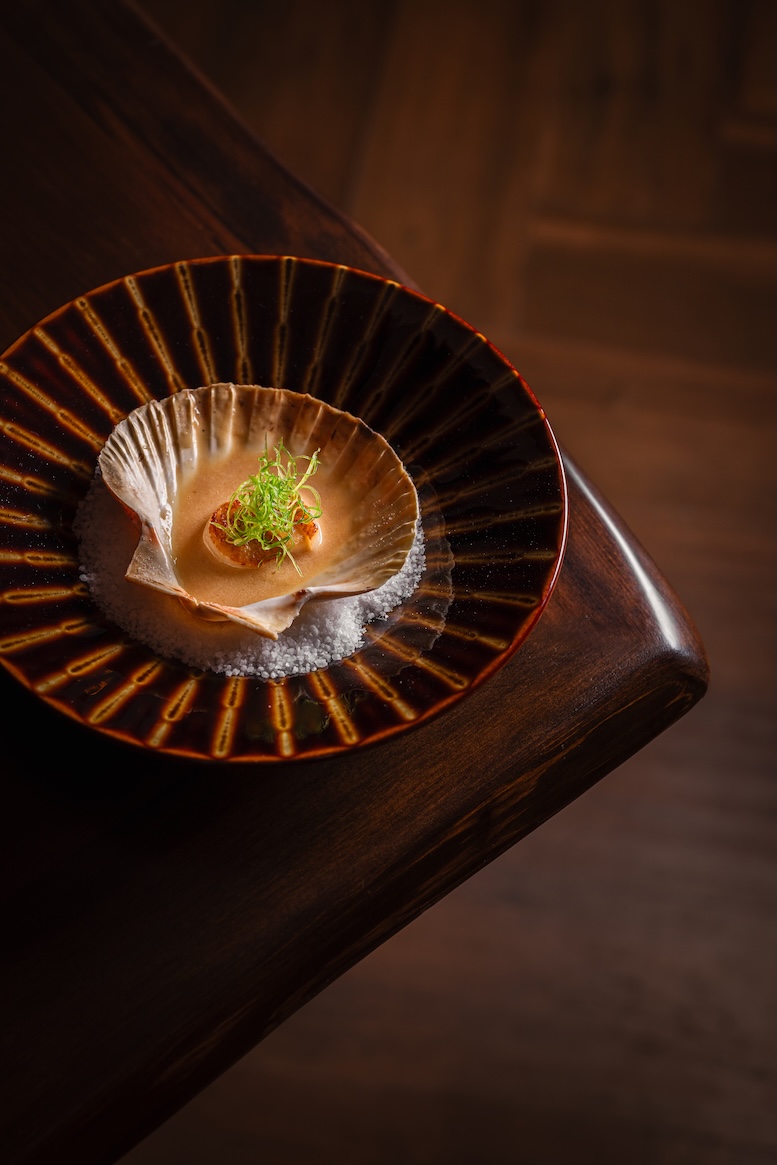
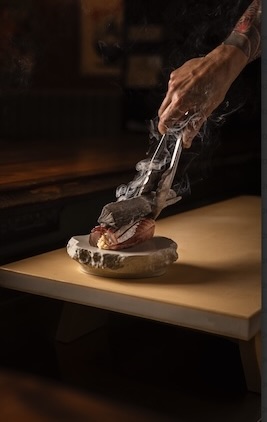
Scallop dish as part of Omakase at Mimi
Usually,
when
I’m eating out in another country, I stick
to the indigenous cuisine––why search out
Italian food in Paris or a steakhouse in
Bangkok?
But because the world’s embrace of
the foods of other countries and the
increasing availability of ingredients once
impossible to find outside of certain
regions, the restaurateurs of major cities
are now able to take greater advantage of
what comes into their markets, not least
when it’s an abundance of seafood from
Atlantic Ocean on which Portugal coastline
ripples.
 This new
access is particularly evident in Lisbon,
which in the past decade has become very much
an international destination as a food city,
whose local restaurants I wrote about a few
months ago. You can, then, now find a slew of
new restaurants in the city if you’re in the
mood for Italian, French, Mexican or Chinese.
But it is in the Japanese sector that Lisbon
has succeeded in taking full advantage of both
its own local seafood as well as what can be
flown in overnight from faraway waters.
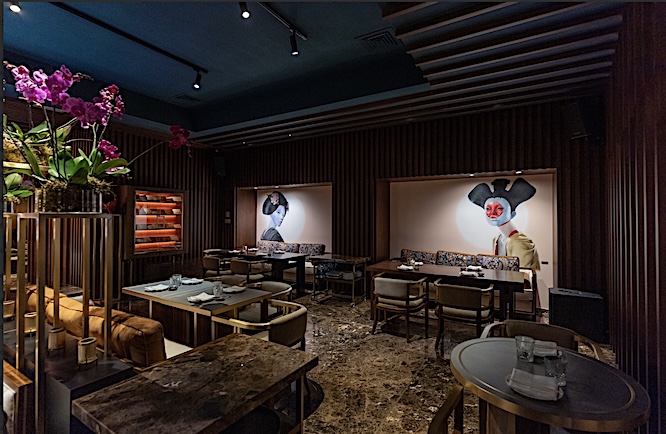
Two places, owned by the Olivier Group,
are, in addition to having great access to the
best in the market, quite are spectacular in
their modern designs. 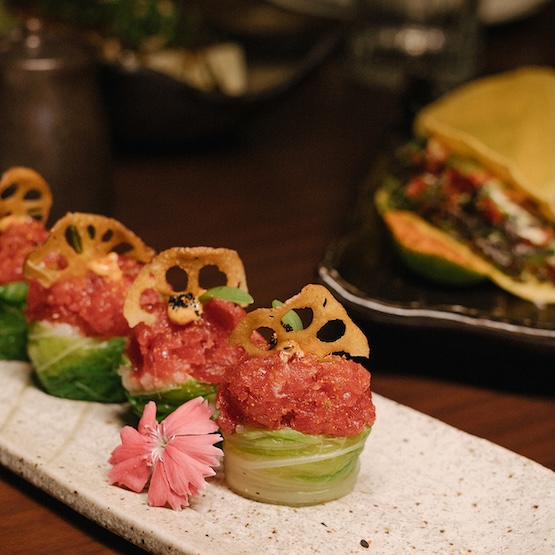 The
grander of the two is Yakuza (Rua
Julio Cesar Machado 7), with several
dining spaces, a huge open kitchen and
counters and exquisite artwork throughout the
rooms. Every gleams or lies in shadows. Light
filters through vegetation and falls on
wall-size paintings. Being so up to the moment
the owners feel the need to blast in heavy
Techno-music throughout.
The menu is described as
“fusion cuisine,” which means that Portuguese
and European ingredients and styles are
incorporated into Asian sushi and sashimi.
(There are also Yakuza restaurants in Porto,
Cascais, Albufeira and Tenerife.)
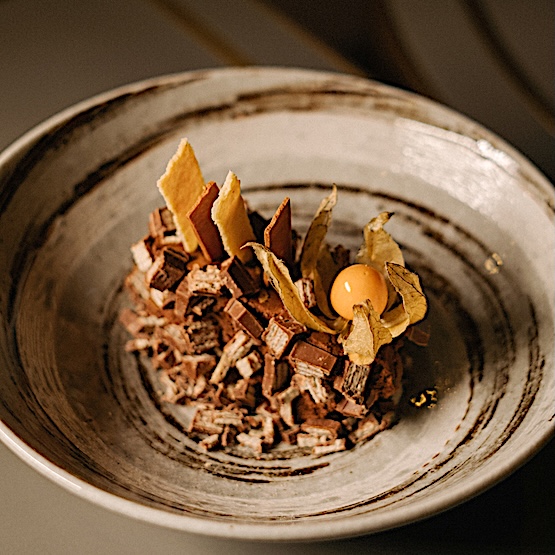 The menu is dauntingly
long, in categories of starters, makisushi,
sushi and sashimi, robata grill, meats and
nightly specials. Presentations are dramatic,
some done up like sculptures. Of the sushi and
sashimi there are at least fourteen species,
from carapau (mackerel) and peixe
gallo (John Dory) to pregado
(turbot) and salmonette (red mullet),
all artfully carved and plated on rustic
ceramics. Sweet
shrimp come from Alaska, paired with
yellowtail; fatty tuna belly marries with foie
gras and leeks, while eel is done as teriyaki
with green apple and a foie gras confit.
The Olivier Group is well known for the
 quality of
their meats, which at Yakuza means wagyu with
shiso chimichurri and garlic chips,
and lamb chops drizzled with the Japanese
chili oil called la-yu.
Yakuza also has a superb wine list.
There's
good reason for women to dress up and good
reason to eat at the bar up front or the
counter, where the deft carving and cooking is
played out before you. Yakuza is the
antithesis of those tiny sushi bars in Tokyo
subway stations. You go to Yakuza as much for
the fun as for the food and art. But the
razzle-dazzle is secondary to the commitment
to fine fusion cuisine.
The Group’s more subdued
Asian restaurant is named Mimi (Rua
Rodrigues Sampaio 94), which offers both
a 98 euros omakase and à la carte
menus. The beautifully lighted dining rooms is
as sophisticated as any in Lisbon, and the
18-course omakase dinner by chef Alex
Katano goes along at a very reasonable pace,
accompanied by a full list of sakes,
Champagnes and three pages of wines, mostly
Portuguese. Dishes are well described, both on
the menu in English and by the servers.
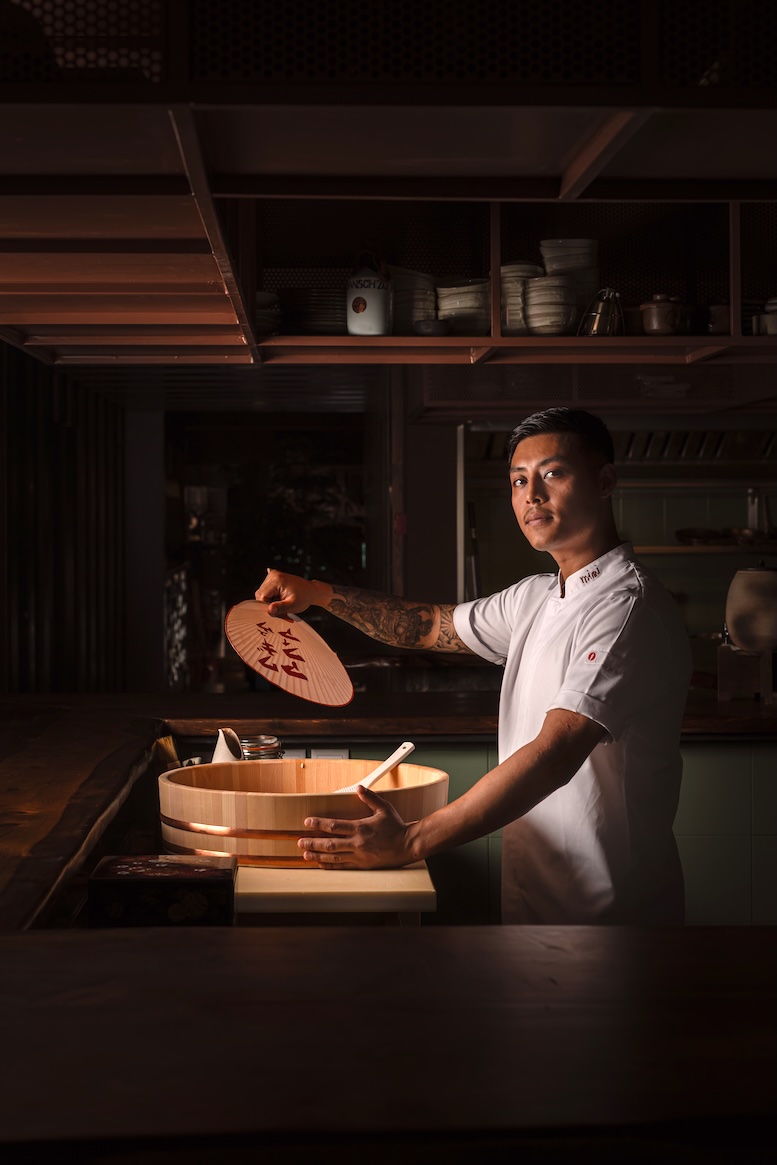 My
companion and I received a printed menu so as
to follow from starters like asari dashi
miso soup with sea bass, and chawanmushi
of eggs and spider crab. Slightly smoked chitoro
tataki came next, followed by
exquisite slices of sashimi, five different
morsels of nigiri sushi, and a
luscious pastrami of wagyu beef with foie
gras.
Th meal is a remarkable bargain by any
measure, and we did not feel satiated when
finished, only impressed with such diversity
and creativity, all presented impeccably like
little objets d'art.
The white wines (available by the
glass) went very well with this food,
especially the Casal de Vilacentinho “Avesso
Raw Nature” Minho and the Redoma “Reserva"
from the Douro.
What I liked
most about both Yakuza with all its operatic
displays and Mimi’s seductive ambience was
that the dishes fit so amiably with what you
might think of as Portuguese cuisine, had you
not known you were in Japanese restaurants.
Seafood, handled with care and minimal
treatment is the basis for excellence anywhere
in the world, and this kind of cuisine finds
safe harbor in Lisbon.
NEW YORK CORNER

220 Fifth Avenue
212-470-9160
By John Mariani
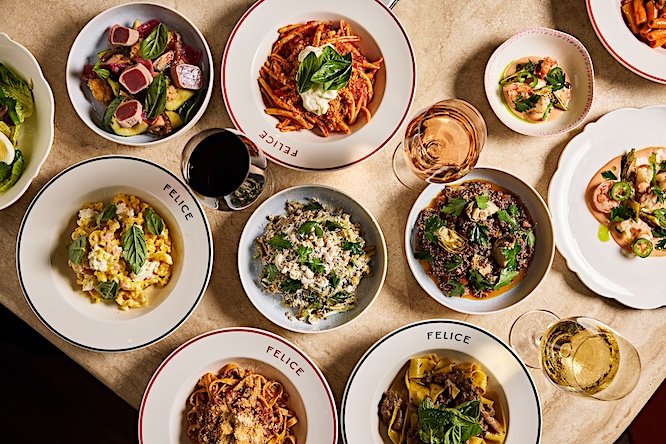
Although the Felice brand
is part of a restaurant group, I don’t think of
it as one––certainly not in the sense of a
corporate-run Macaroni Grill, Outback Steakhouse
or P.F. Chang’s. In décor alone, Felice’s
branches differ greatly, some more rustic than
others, now with 14 units in New York City,
Westchester County, Florida and Connecticut. Nor
are the menus Xerox copies of one another,
although they share a great deal. And all have
excellent wine lists of a kind found in only the
most upscale Italian restaurants.
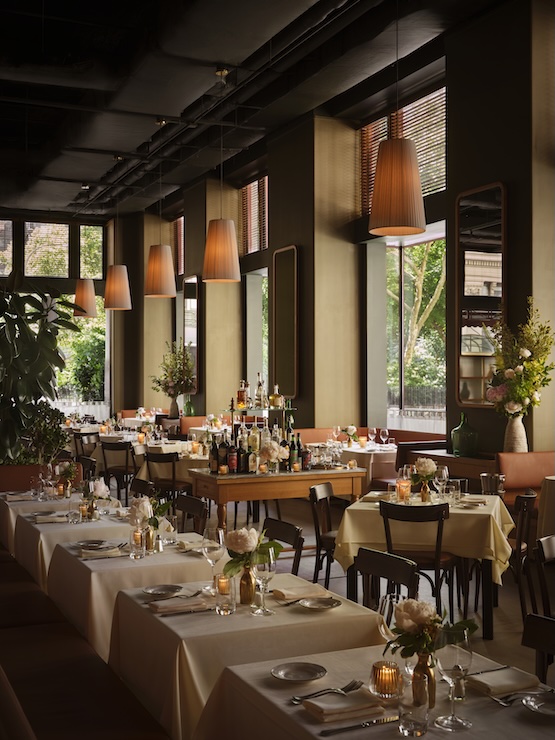 The
Felice brand, founded in 2007 by Jacopo
Giustiniani within the SA Hospitality Group,
performs a deft balancing
act in contrast to SA Hospitality Group’s sixteen
Sant Ambroeus restaurants, which have long set a
high standard for casual, sleek Italian café chic
both here and in Europe. That said, along with the
beautiful Felice 56 uptown and Casa Lever on Park
Avenue,
 the
brand-new Felice Flatiron, located in the grand 1914 Beaux Arts building at
Fifth Avenue and 26th Street, is a
major statement as the brand’s flagship with
19-foot ceilings, with bow windows overlooking
Madison Square Park. There is also a 30-foot
illuminated wine wall whose bottles are reached
via a sliding ladder, and a marvelous long bar of
Tuscan marble and terracotta up front, all
designed by Bonetti/Kozerski Architecture. There
are spacious tables and comfortable booths,
glowing lighting and, despite the size and high
ceilings, the room has a manageable noise level
(which most certainly doesn’t need the boom-boom
music piped in).
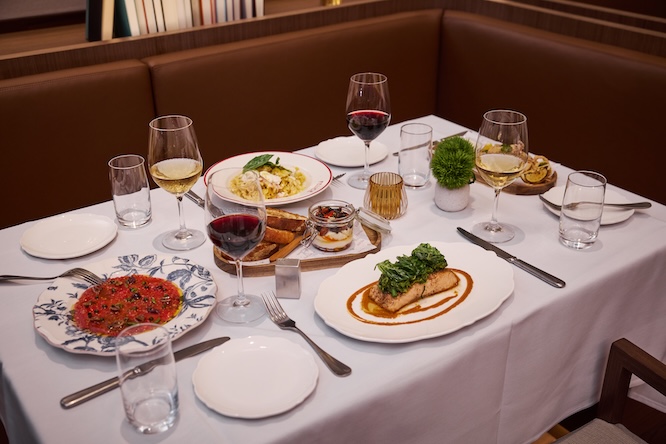 The wine list
is extensive, with many small, mainly Italian,
producers, by-the-glass selection in the $16–$28
range and many good bottles under $100. I did
taste their own label red selection, which was
very disappointing.
The promotion of the Felice brand stresses
a Tuscan style, yet there is very little on the
menu that is particularly Tuscan, except for a
board of cold cuts that includes a chicken liver
mousse on toast. Otherwise, there are dishes from
all over Italy, starting with one the best,
creamiest eggplant parmigianas I’ve had in a long
while, and a good way to start is with a platter
of crisply fried calamari and artichokes with
equally flash-fried leaves of basil.
There are three pizzettes
that also prime the appetite or would be good
for a light lunch. Local burrata was oozy
and decadent, topped with rosy slices of
prosciutto.
A dozen
seems a judicious number of pastas to have on a
menu, and I’ve always found them consistently well made in the Felices I've visited.
Particularly delicious the other night was
spaghetti all’amatriciana, whose scarlet,
chunky, really spicy sauce had an explosive
authority, while pappardelle with
salsiccia had equal heft and heartiness. A
special that night was a plate of wide paccheri
lavished with shrimp and pistachio cream. I was
surprised the classic Roman dish of pasta alla
carbonara because––venial sin that it is––it
contained “a touch of cream.” I passed on it.
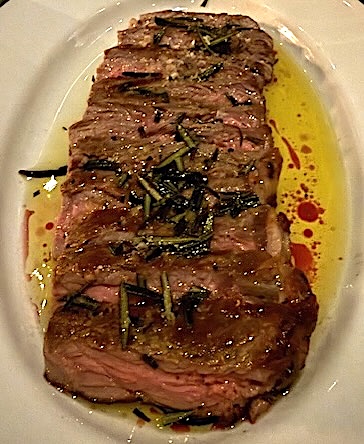 For main
courses the four of us split two generous ones––a
beautifully cooked full-flavored tagliata of
beef (left) and a nicely sautéed veal
alla milanese covered with wild arugula,
roasted plum, tomatoes and Parmesan cheese.
Felice’s desserts are modeled on the San
Ambroeus style, so a bowl of Buontalenti soft
vanilla ice cream (Bernard Buontalenti, 16th
century renaissance artist, is credited for
creating what would become 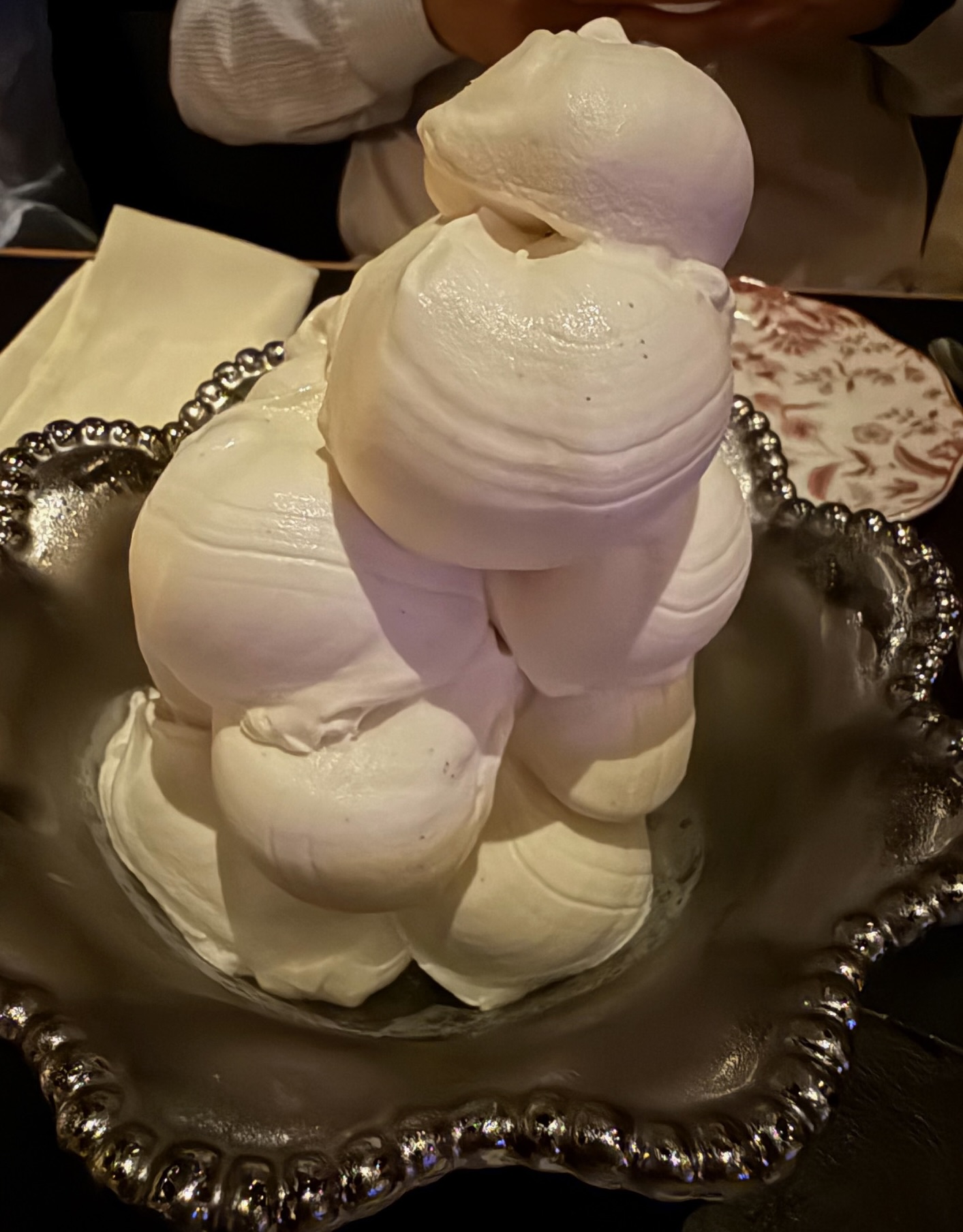 Italian
gelato back in the 18th century) comes
to the table with flourish, and, having had a
thousand––ten thousand?—tiramisùs in my
time, Felice’s was still outstanding its
impeccable layering of mascarpone, espresso, and
chocolate (below). There’s
even an adult brownie for dessert, good as a base
for the gelato.
The service staff is clearly composed of
veterans who never flag during the rush from five
PM to 8 PM, and the bartender takes her
mixology very seriously.
Prices at Felice Flatiron
are a little or a lot below some of the other posh
Italian ristoranti around town. One
disconcerting note, however, was to find
three bottles of sparkling water at $33 on the
bill that were replenished without our ever asking
for a second or third.
For its grand, palazzo-like space and
modern design, Felice deserves to be the company’s
flagship, and, at a time when storefront
trattorias get all the media attention, it is good
to see that a clientele with a taste for
refinement and luxury can easily find it here,
along with Manhattan’s other upscale ristoranti
that echo the best of Rome, Florence and
Milan.
By
the way, since Felice Flatiron is new, it has all
the buzz it could want, but I found that after
nine PM, it emptied out quickly. I don’t’ expect
that to always be the case, so take advantage of
its newness now.
Open for lunch and
dinner daily.
PEARL
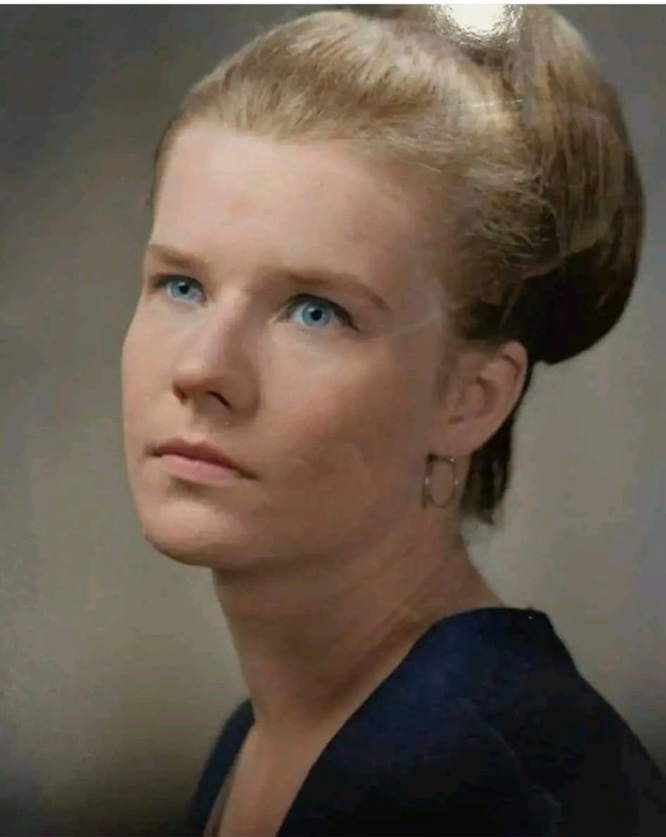
The
Mysterious Death of Janis Joplin
By John
Mariani
CHAPTER
TWO
There was a story conference the
next day when all the editors and staff
reporters tossed out ideas and critiqued them.
Dobell had the final say after listening to
the pros and cons of a story, then he’d
usually say, “Get me some more information and
we’ll talk about it in my office.” Katie
participated in these meetings and had on
occasion gotten an assignment out of them.
That day, one of the editors  suggested
McClure’s should consider an article on
the news that Russian President Vladimir Putin
had hand-picked his successor, Dmitry
Medvedev, while Putin would remain prime
minister.
“It seems obvious that Medvedev is just
going to be a token leader, and that Putin will
pull his strings,” said the editor. Turning to McClure’s
Russian expert, Anne Barkov, he asked, “What
do you think, Anne? You think there’s a story
there?”
“Medvedev’s already being talked about as
Putin’s puppet,” she answered, “but maybe
there’s a story about whether Medvedev will push
back and oust Putin. No one is ever safe from a
coup within the Kremlin’s inner circles.”
Dobell looked at Katie. “You’ve had some
dealings with Putin, haven’t you, Katie? Several
times.”
Katie nodded and said, “Always
indirectly. I’ve never met him face-to-face.”
Dobell was referring to Putin’s impact on
stories Katie had done on a sensational art
auction, a Hungarian drug entrepreneur, a Paris
virus epidemic and a billionaire’s sex and
murder scandal. In most cases she and David had
come close to being killed, ether by Putin’s
directive or assent. In one, Putin had actually
saved their lives for his own purposes.
“I doubt he’d meet me face-to-face, Alan,
and frankly I haven’t the curiosity to do so.
I’d be happy to work on the Medvedev angle,
though, with Anne as the lead reporter.”
Dobell leaned back, put his fingers
together and said, “Okay, it might work. Anne,
how about you and Katie putting your heads
together on this before the opinion pages do?”
Anne and Katie nodded to each other.
Katie would need her, since Anne spoke fluent
Russian. Katie thought of it as a story that
wouldn’t require leaving the United States, as
she so often had on stories, which would be a
relief. For
as much as she’d loved traveling abroad with
David Greco and seeing cities like London,
Paris, St. Moritz and Taipei, they were fraught
with danger in the end. Putting in research at
the office, at home and doing interviews this
side of the world had become
more appealing as she got older.
The work on the Medvedev file went
slowly, with Anne having to ferret out materials
from Russian sources, and when not working on
the research Katie couldn’t shake her
preoccupation with celebrities’ untimely deaths,
some by their own hand, many by drug overdoses,
which the press often referred to as
“accidental.” She was well aware of how clinical
depression could affect celebrities every bit as
deeply as anyone else and knew how crushing were
the pressures of show business and the anxieties
of maintaining the esteem of fickle audiences
that could turn on them for the next big thing.
Women, in particular, went through agony trying
to keep their looks and relevance when youth
drove American culture to express the novelties
of appearing beautiful within an atmosphere of
younger and younger women entering movies, TV
and music.
 But above
it all was how invasive, crippling and
soul-possessing readily available drugs were to
entertainers who were expected to be at their
best day after day and night after night. Pills
to wake them up, pills to let them sleep,
cocaine, angel’s dust, hashish, morphine, heroin
and LSD to provide glorious highs and terrifying
lows. In so many cases, from Judy Garland and
Marilyn Monroe to Curt Cobain and Heath Ledger,
drugs were the constant, eagerly supplied by
everyone from managers to entourage idolators.
By the early 2000s global stars were cut from
women of no achievements at all, like Conrad
Hilton’s great granddaughter, Paris, who was
proclaimed “New York’s leading It girl” and was
currently appearing on a hit reality TV show
called The Simple Life in which she had
to cope with living on a farm in Arkansas.
Drug addiction was hardly a new
phenomenon of the 20th century. Katie
learned from her reading that only in 1914 did
the Harrison
Narcotic Tax Act limit sales of opiates and
cocaine under US law, at a time when poor
young men were considered the prime users and
middleclass or wealthy users were of little
concern and could always obtain their drug of
choice.
Indeed, it had been clear for
decades that the drug trade, whether it was
moved through Afghanistan or Mexico largely fed
an insatiable demand by the higher classes who
could afford it, while those who could not had
to turn to violence to obtain it. One of the
reasons that crime in the U.S. went down in the
1990s was because the crack-cocaine wars of the
1980s had killed off so many of the pushers and
users.
Katie herself had never done anything
more dangerous than smoke pot when she was in
college, and she’d heard that marijuana had
grown exponentially stronger in the past few
years. She had a few friends who had tried coke
but none who were, as far as she knew, addicted.
So she was shocked one night
when entering a very upscale New York restaurant
ladies room to find two women snorting powder
off the vanity.
David knew what he
knew about drug addiction from his time both as
a street cop, when he saw addicts dead in some
alley or crack house, then as an organized crime
detective learned how much of the trade was
controlled by the mobs. He thought it almost
quaint that Don Corleone in The Godfather
refused to have anything to do with selling
drugs as part of his business but gave in,
allowing it to sold to Black people because
“they’re animals anyway.” Having investigated
the real-life Gambino crime family, he knew that
while drug trafficking was allowed, the mob’s
gangsters were strictly forbidden to use them.
He’d seen the ravages at street level,
never in the penthouse apartments or private
clubs where cocaine was cut with a razor blade
and sniffed from glass designer coffee tables. By the
end of the ‘90s even heroin had taken on a
certain chic. As for the show business victims,
he never gave them much thought, always
wondering how anyone with that kind of money and
fame could be dragged down to the level of a
street junkie.
The mobsters involved in smuggling and
selling drugs regarded themselves as simple
businessmen giving the public what it craved,
just like booze and prostitution. Supply and
demand, simple American capitalism. The bad cops
were paid off, even used by the mobs to muscle
street dealers or sell the junk themselves.
Unless ordered to arrest someone, the good cops
looked the other way. As far as David was
concerned, he was doing the important work of
arresting the mobsters, while the federal narcs
went after the supply lines that led to Mexico,
Afghanistan and Southeast Asia.
 The
problem was that the rich, the well-connected
and the show biz crowd were rarely arrested and
even more rarely convicted of drug possession,
and their lawyers could usually work a deal
keeping them out of prison. They
just went to some kind of re-hab—not the ones
the street addicts went to, which usually proved
useless, but to expensive and exclusive clinics
that more resembled five-star resort, like the
Betty Ford Center (left), with private
rooms with a kitchenette overlooking 20 acres of
landscaped greens, spa, volleyball,
Frisbee,
golf and water polo tournaments. A
stay at Passages Malibu—a 10-acre property
overlooking the Pacific Ocean cost $64,500
per month.
David’s interest in dead rock stars was
about as low as it was about live rap stars.
After all he’d seen on the streets, he had a
kind of “another one bites the dust” attitude
towards limo druggies. But as lead detective his
focus was not on mob drug traffic but on the
entirety of their far-reaching criminal
activities. He could, though, understand why
Katie would be more interested in the subject as
a story idea and knew it would be much more
engaging for her than investigating a
second-rate Russian politician.
But if she
wanted to get together over dinner and drone on
about Janis and Jimi and Curt and the rest, that
was fine with him.
❖❖❖
GLUTTONY
Eating Ourselves Sick
By John
Mariani
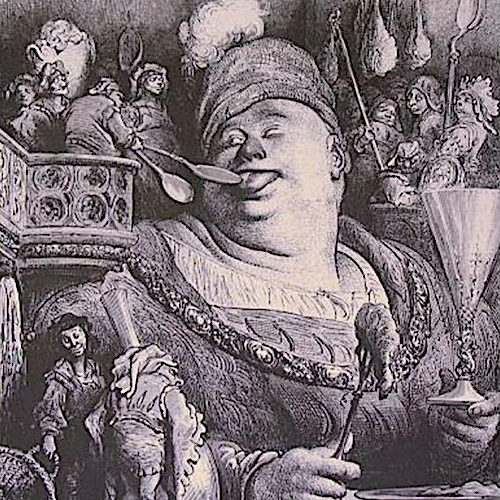
Is it possible that for
300,000 years the mere idea of gluttony was
unknown to the human race? And that our
prehistoric ancestors led quite a healthy life,
free from the Pandora’s Box of modern maladies
that include malaria, cholera, polio, smallpox,
poor diets, bulimia, anorexia, poisoned air and
water and high stress?
It would seem to make sense that the more
egalitarian a society—which would most certainly not
include 21st century democracies or
communist states—in which everyone had enough to eat
that gluttony would be a rare aberration. By the
same token, there can be no gluttony where people
are starving to death or in abject poverty, when
access to food of any kind is near impossible,
though in our current century many who fall under
the legal definition of “impoverished” or
“poor”—about $32,000 for an American family of five
people—gorge themselves on the worst, least
healthful forms of processed foods at higher prices
than unprocessed ones.
There is scant evidence that prehistoric
human beings had much more than a subsistence level
of food, but there is also little to suggest they
had much less. From all we know, they were, overall,
fairly healthy. Studies have indicated that both
Neanderthals and the more advanced Homo sapiens had
more or less the life expectancy of 20th century
humans around the world. Yet in the far more
advanced civilizations of Ancient Egypt and Rome,
people would have been lucky to have lived past 30,
and not much longer in the 19th century.
Of course, the depth of our knowledge of
prehistoric people over 200 millennia has increased
as modern archeologists and anthropologists discover
more about our ancient ancestors’ way of life, based
on findings of food in their camps, seeds in their
soil and the contents of their stomachs, bones and
teeth. DNA evidence can now even tell us what a
person from the Paleolithic age had for breakfast on
the day he died, as well as the soundness of his
heart and condition of his molars. The evidence
shows that Neanderthals and Homo Sapiens ate a
steady omnivore’s diet within small territories
where they could count on food being available.
 Homo
sapiens, who appeared in Africa 200,000 years ago,
stayed put for the first 150,000 of their existence,
ate what was most available and did little to
disrupt their region’s environment. If their world
was not quite a Garden of Eden over which man had
complete dominion, everything he needed to survive
and thrive on was largely within reach.
We all grow from the same soil, forests, sea
and air as the animals and plants that surround us,
and our earliest ancestors afforded themselves of
all of it. Being
omnivorous, with a very long and efficient gut,
humans coped better than other mammals in the face
of pestilence and drought, the better to ensure our
survival as earlier (though for a time co-existent)
species like the Neanderthals and Denisovans died
out, about 40,000 or 50,000 years ago.
Natural disruptions like earthquakes,
volcanic eruptions, tsunamis, floods, pandemics and
the end of the Ice Age could and did radically
affect the well-being of our species—though we have
thus far avoided a cataclysmic meteor impact of a
kind that wiped out the dinosaurs and would have
done the same to us.
Invading viruses could quickly wipe out
entire populations, as smallpox did when introduced
to Latin and North America. But for the most part
the people of the Paleolithic Age lived in
concentrated tribes and in harmony with nature
through a geophysical evolution that would be
unremarkable for tens of thousands of years at a
time. 
Even when the balance of nature shifted:
Though there is evidence that the Neanderthals had
larger brains, Homo sapiens brains gave them far
more adaptive and co-operative skills than lower
forms had possessed, so, if push came to shove, we
could more easily migrate in search of another,
similar territory and eco-system, often displacing
the far less advanced Neanderthals. About 50-70,000
years ago, as Homo sapiens’s superior cognitive
abilities came into sharp focus—probably including a
primitive form of language—they began to migrate out
of Africa, to Asia and Europe, adapting by degrees
to climate changes, variants of plant and animal
life and the requisite availability of water, even
to environments as hostile as the largely
uninhabitable subarctic lands and vast equatorial
deserts. Modern humans arrived in Australasia 65,000
years ago, in North America at least 15,000, in
Britain 6,000 and the Pacific islands 3,000.
For ninety-five percent of
our human history, we were hunter-gatherers—a
longevity that proves how well man thrived before he
developed agriculture. Their needs were met by the
bounty of the land and sea, and since such
free-ranging people did not accumulate surpluses,
the idea of gluttony is out of the question, unless
on occasion they gorged on an occasional abundance
of fruits, vegetables, animals or a harvest of bees’
honey.*
* The ostensible
healthfulness of early Homo sapiens has most
recently been exploited in fad diet books like The Paleo
Diet (2010) and Eat Like
Cavemen! (2017), whose authors claim that
the consumption of whole, unprocessed “paleo”
foods once hunted and gathered can lead to better
overall health and weight loss, while eschewing
many foods later cultivated by humans. Critics of
this diet have pointed out both its similarities
to other low carbohydrate diets as well as a lack
of long-term clinical studies to prove its claims.

In
ice-bound climates humans might consume large
quantities of fat from whales and seals to survive
the winter, but such overeating would no more be
considered gluttonous than the amount of foods
animals consumed before going into hibernation.
 Just as important
to our brain development as refinements in hunting
and gathering was the appearance of fire as a
cooking method, between 40,000 and 50,000 years ago.
Not only did Homo sapiens find that cooked meats
tasted better, thereby increasing the pleasure taken
in consuming a meal, but that domesticated plants
like wheat, barley, rice, millet, rye and
potatoes—some toxic when raw—were made both edible
and more digestible by cooking. Fire has another
advantage: As John Lancaster wrote in The New Yorker,
“Fire is the difference between eating lunch and
being lunch.”
Yet as important as meat was to omnivores,
the practice of cannibalism (or anthropophagy),
which goes back hundreds of thousands of years, is
largely an aberration, even among prehistoric people
who considered it wholly acceptable to eat one’s
relatives (endo-cannibalism) and enemies
(exo-cannibalism).
In some instances, food shortages might
explain intermittent indulging in what we now think
of as the most horrific of all diet options,* but
since Homo sapiens enjoyed a fairly consistent
supply of food, the question arises as to why
cannibalism was still practiced at all and continued
to be well into the modern era in many parts of the
world.
The most commonplace example of
modern cannibalism was among the indigenous people
of New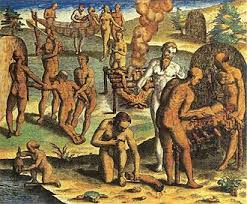 Guinea,
where a real scarcity of animal protein made the
practice a
necessity. When the Australian government in 1979
finally banned the practice for contributing to kuru, a
disease caused by eating human brains, alternate
meat had to be shipped to the tribes to ensure their
survival. (We shall read of cannibalism among the
Aztecs of Central America later.)
* Cannibalism owing to
abject hunger was practiced during a massive
famine in northern China in the 12th
century and in Germany and eastern Europe during
Europe’s Black Plague in the 15th
century.
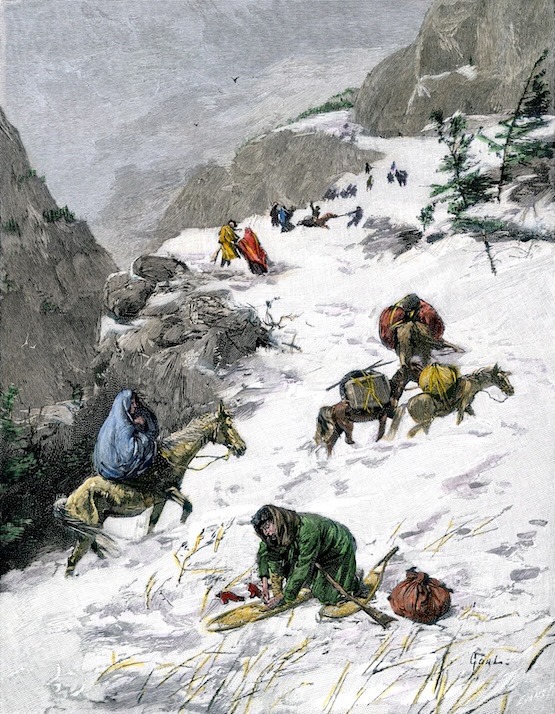 Before
burials became human rituals around 4,700 BC, eating
the bodies of deceased tribal members may have been
a way of showing respect (as well as getting rid of
their remains), while consuming the flesh of their
enemies, especially the heart, was an exultant way
to celebrate one’s victory over them by eliminating
all traces of their bodies and souls from the earth. Except in
extreme circumstances—one immediately recalls the
Donner Party pioneers (left), who, when
hopelessly stranded in the snows of the Sierra
Nevada mountains, in the winter of 1846, resorted to
eating relatives and comrades who’d died from
sickness or starvation—hunger was never the
rationale for cannibalism, though some frenzied
tribe members might gorge on an enemy’s flesh, which
may well constitute the earliest and grisliest
example of communal gluttony.*
* It is certainly disconcerting to read that cannibals seem to have compiled recipes depending on the corpse they will be eating, including raw, roasted, baked and smoked, leading to a thousand cartoons and wince-inducing jokes like the one about a missionary thrown into a big pot by cannibals with an assortment of vegetables. As the pot heated up the missionary cried out, “You can’t stew me. I’m a friar.”
❖❖❖
NOTES FROM THE SPIRITS LOCKER
By John Mariani
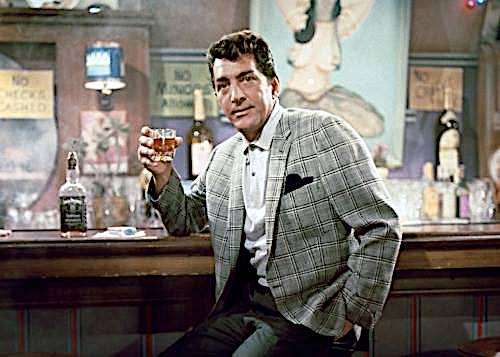
There may be people who
drink lighter liquors during the summer––gin,
vodka, tequila, white Port––but now that autumn
has officially arrived, it’s time to get back to
darker spirits, with man new ones on the market
you may find of interest.
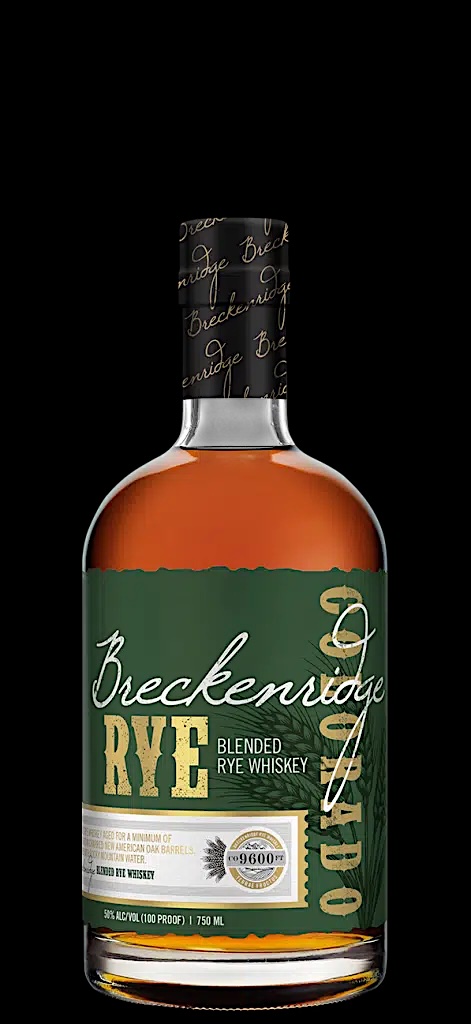
BRECKENRIDGE DISTILLERY, the world’s
highest distillery at 9,600 feet above sea level in
Breckenridge, Colorado, was founded in 2008 by Bryan
Nolt, who stresses the role of minerals Rocky
Mountain. Its Rye Whiskey ($45) is
100 proof, made
from an 80% rye mash bill, distilled at altitude. It
has a light fruitiness in the aroma and on the
palate and ends with an enduring, not at all harsh
finish.
CAZCANES derives its name from the
Cazacan indigenous people, known for their historic
stiff defense against the Spanish conquest. The
company’s tequilas are all made with 100% Blue Weber
agave, its water sourced
from
the Navichi Springs in Hostotipaquillo, and
proprietary yeast, cooked for eight hours under
gentle pressure, followed by eight hours of residual
heat and eight hours of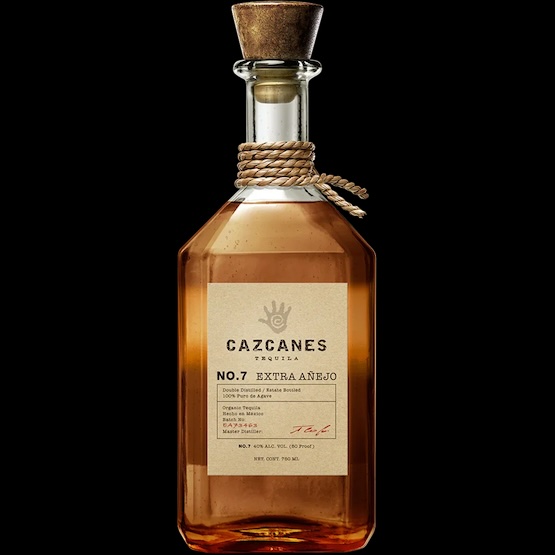 natural
cooling. Fermentation is done in the open air then
double distilled in recharred barrels. Nuestras
Raices ($110), at
96.2 Proof, is based on a recipe of
Humberto
Alvarado, a third-generation distiller, that is
unfiltered and intended to express a rawness bound
to tradition, as interpreted by current master
Francisco “Don Chico” Jiménéz Lazcarro.
Its
Anejo
No. 7 ,
at 80 proof ($130) is made from a blend of
various barrels to achieve complexity, and its Extra
Anejo No. 7 ($200) is a
small batch tequila aged for an average of
37 months in re-charred American oak barrels sourced
from Jack Daniel’s, Jim Beam, Clermont and Four
Roses. A small portion is finished with French oak
staves for added vanilla flavor.
 OXBOW BARREL SINGLE BARREL AGED
AGRICOLE ($61) from Louisiana is
distilled from molasses rather than sugar cane, and
spends two years in charred new American oak
barrels, and its color is a natural gold. It is 99
Proof, and is made only once a year as a single
barrel. President Olivia Stewart makes a needed
acknowledgment when she says, “The foundation of rum
and sugarcane in the Americas was built by enslaved
Africans and their descendants. Louisiana, and our
families farm, are no exception. Our brand is about
transparency of what’s in the bottle, and we should
tell our story with the same intent. While it can
feel uncomfortable to openly discuss the darker
parts of this history, I found it easier and more
healing with practice. Talking through it allows us
to have a better understanding of the effects on
modern society, and compassion for the marginalized
communities it continues to implicate.” Its False
River Dark Rumis
for those who like a rich, molasses base, aged in
bourbon barrels before being finished with a dark
caramel blend that distinguishes historic Caribbean
rums.

The
JIM BEAM name is very familiar in American
whiskey history, dating back to the Boehm family’s
arrival in Kentucky in 1788, where they changed the
name to Beam. Their slightly sweeter bourbon was a
favorite after Old Jake Beam Sour Mash starting
selling as of 1795. In 1978 distiller Booker Noe was
among the first to make small batch bourbons,
unfiltered, uncut and straight from the barrel.
Today Jim Beam Single Barrel, with each
bottle numbered,
is selling from a remarkable $35, while their Devil’s
Cut is unique, made from the liquid extracted
from the barrels, then blended with extra aged
Kentucky straight bourbon whiskey and bottled at 90
proof.
FETTERCAIRN has been making Scotch since
1824, and in 2015 Greg  Glass
created the Scottish Oak Programme, which focused on
exploring possibilities using native oak in the
distillation and aging along with supporting
traditional coppering skills, with 13,000 saplings
planted. It is most notable in the 16 Year Old
Single Malt ($105), bottled at 92.8 proof, and
it has mellowed beautifully, with good spicy finish
and not too hot on the palate,
 MICHTER’S has been revolutionary in its
innovations for American whiskies, and despite the
high price of some (though not all), they are always
in high demand. The newest release is Michter’s
Toasted Barrel Finish Rye ($239) now in
limited release. It is crafted from fully matured,
straight Kentucky bourbon that undergoes a secondary
maturation in specially constructed toasted oak
barrels that give it further richness and depth.
Usually, bourbons are matured in heavily charred
barrels, but these are only lightly toasted, which
makes for a more elegant style, at 91.4 proof.
ESPOLÒN TEQUILA makes two different Añejos, and its CRISTALINO ($65) uses water
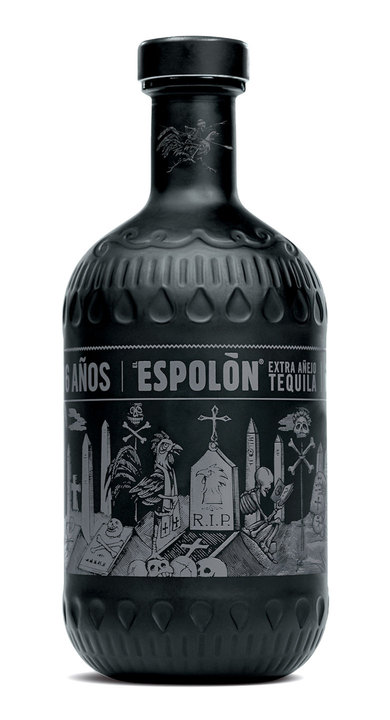 from Espolòn’s natural well. The tequila
is a unique blend of its regular Añejo “with a touch of
extra Añejo” filtered
through charcoal, for the shortest amount of time
possible. ESPOLÒN EXTRA ANJEO ($75) is its newest
annual limited edition release crafted through
a double-cask
process, spending three years in American oak, followed
by eight months in French Chardonnay casks, at 91.4
proof.
❖❖❖
 KALA
NAMAK WILL DO THAT EVERY TIME
"We had just
eaten the most classic of petits fours, a tender
triangle of blackberry pâte de fruit, elegant
ancestor to the gummy but softer, closer to melt
than chew. It was as dark as wine and French as can
be, until I bit in and tasted kala namak, Indian
black salt, sharpening the fruit’s sweetness even as
it doubled down on tang and leaving a primordial
beat of sulfur in its wake."––Ligaya Mishan, "a Chef
Reimagines Indian Cooking as Tweezer Food," NY
Times (9/23/26).
❖❖❖
Any of John Mariani's books below may be ordered from amazon.com.
 The Hound in Heaven
(21st Century Lion Books) is a novella, and
for anyone who loves dogs, Christmas, romance,
inspiration, even the supernatural, I hope you'll find
this to be a treasured favorite. The story
concerns how, after a New England teacher, his wife and
their two daughters adopt a stray puppy found in their
barn in northern Maine, their lives seem full of promise.
But when tragedy strikes, their wonderful dog Lazarus and
the spirit of Christmas are the only things that may bring
his master back from the edge of despair.
WATCH THE VIDEO!
“What a huge surprise turn this story took! I was completely stunned! I truly enjoyed this book and its message.” – Actress Ali MacGraw
“He had me at Page One. The amount of heart, human insight, soul searching, and deft literary strength that John Mariani pours into this airtight novella is vertigo-inducing. Perhaps ‘wow’ would be the best comment.” – James Dalessandro, author of Bohemian Heart and 1906.
“John Mariani’s Hound in Heaven starts with a well-painted portrayal of an American family, along with the requisite dog. A surprise event flips the action of the novel and captures us for a voyage leading to a hopeful and heart-warming message. A page turning, one sitting read, it’s the perfect antidote for the winter and promotion of holiday celebration.” – Ann Pearlman, author of The Christmas Cookie Club and A Gift for my Sister.
“John Mariani’s concise, achingly beautiful novella pulls a literary rabbit out of a hat – a mash-up of the cosmic and the intimate, the tragic and the heart-warming – a Christmas tale for all ages, and all faiths. Read it to your children, read it to yourself… but read it. Early and often. Highly recommended.” – Jay Bonansinga, New York Times bestselling author of Pinkerton’s War, The Sinking of The Eastland, and The Walking Dead: The Road To Woodbury.
“Amazing things happen when you open your heart to an animal. The Hound in Heaven delivers a powerful story of healing that is forged in the spiritual relationship between a man and his best friend. The book brings a message of hope that can enrich our images of family, love, and loss.” – Dr. Barbara Royal, author of The Royal Treatment.
The Encyclopedia of American Food and Drink by John F. Mariani (Bloomsbury USA, $35) Modesty forbids me to praise my own new book, but let me proudly say that it is an extensive revision of the 4th edition that appeared more than a decade ago, before locavores, molecular cuisine, modernist cuisine, the Food Network and so much more, now included. Word origins have been completely updated, as have per capita consumption and production stats. Most important, for the first time since publication in the 1980s, the book includes more than 100 biographies of Americans who have changed the way we cook, eat and drink -- from Fannie Farmer and Julia Child to Robert Mondavi and Thomas Keller. "This book is amazing! It has entries for everything from `abalone' to `zwieback,' plus more than 500 recipes for classic American dishes and drinks."--Devra First, The Boston Globe. "Much needed in any kitchen library."--Bon Appetit. |
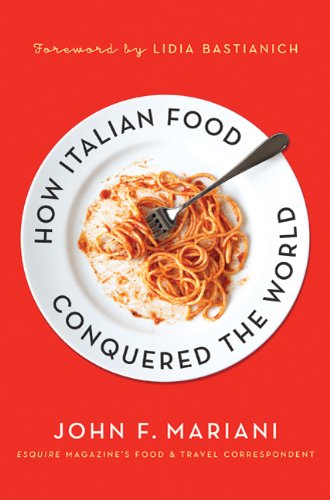
"Eating Italian will never be the same after reading John Mariani's entertaining and savory gastronomical history of the cuisine of Italy and how it won over appetites worldwide. . . . This book is such a tasteful narrative that it will literally make you hungry for Italian food and arouse your appetite for gastronomical history."--Don Oldenburg, USA Today. "Italian
restaurants--some good, some glitzy--far
outnumber their French rivals. Many of
these establishments are zestfully described
in How Italian Food Conquered the World, an
entertaining and fact-filled chronicle by
food-and-wine correspondent John F.
Mariani."--Aram Bakshian Jr., Wall Street
Journal.
"Equal parts
history, sociology, gastronomy, and just
plain fun, How Italian Food Conquered the
World tells the captivating and delicious
story of the (let's face it) everybody's
favorite cuisine with clarity, verve and
more than one surprise."--Colman Andrews,
editorial director of The Daily
Meal.com. "A fantastic and fascinating
read, covering everything from the influence
of Venice's spice trade to the impact of
Italian immigrants in America and the
evolution of alta cucina. This book will
serve as a terrific resource to anyone
interested in the real story of Italian
food."--Mary Ann Esposito, host of PBS-TV's
Ciao
Italia. "John Mariani has written the
definitive history of how Italians won their
way into our hearts, minds, and
stomachs. It's a story of pleasure over
pomp and taste over technique."--Danny Meyer,
owner of NYC restaurants Union Square
Cafe, The Modern, and Maialino.
|
 |
 |
 |
 |
 |
 |
MARIANI'S VIRTUAL GOURMET
NEWSLETTER is published weekly. Publisher: John Mariani. Editor: Walter Bagley. Contributing Writers: Christopher
Mariani, Misha Mariani, John A. Curtas, Gerry Dawes, Geoff Kalish.
Contributing
Photographer: Galina Dargery. Technical
Advisor: Gerry
McLoughlin.
If you wish to subscribe to this
newsletter, please click here: http://www.johnmariani.com/subscribe/index.html
© copyright John Mariani 2026